
A Summer’s End – Hong Kong, 1986
Play A Summer’s End – Hong Kong, 1986
A Summer’s End – Hong Kong, 1986 Screenshots







A Summer’s End – Hong Kong, 1986 review
Dive into the heartfelt story, stunning visuals, and optional intimate scenes of this 1986 HK visual novel
Remember that rainy night in Mong Kok when everything changed? That’s the magic of A Summer’s End – Hong Kong, 1986, a visual novel that captures the pulse of 1980s Hong Kong through Michelle’s eyes. As a young office worker grappling with her desires, she crosses paths with photographer Sam, sparking a tender romance amid neon streets and family tensions. I first stumbled upon this gem during a late-night scroll, drawn by its accurate Sai Kung seascapes and Mong Kok vibes. With two endings and an optional adult patch for deeper intimacy, it blends emotional depth with subtle heat. Whether you’re here for the story or the spice, this guide uncovers why it’s a must-play.
What Makes A Summer’s End Hong Kong 1986 Unforgettable?
I remember the first time I clicked play on A Summer’s End – Hong Kong, 1986. It was a rainy afternoon, and within minutes, the synth-wave soundtrack and the unmistakable aesthetic of neon-drenched streets completely pulled me out of my world. I wasn’t just playing a game; I was being handed a ticket to a specific time and place—1986 Hong Kong 🕰️✨. That’s the magic of this 1986 Hong Kong visual novel. It doesn’t just tell a story; it meticulously rebuilds a moment in history and fills it with a beating, vulnerable heart. If you’re wondering what is A Summer’s End game, it’s this: an emotional, beautifully crafted journey into a queer romance that feels both intimately personal and grandly historical.
How Does the Story Unfold in 1980s Hong Kong?
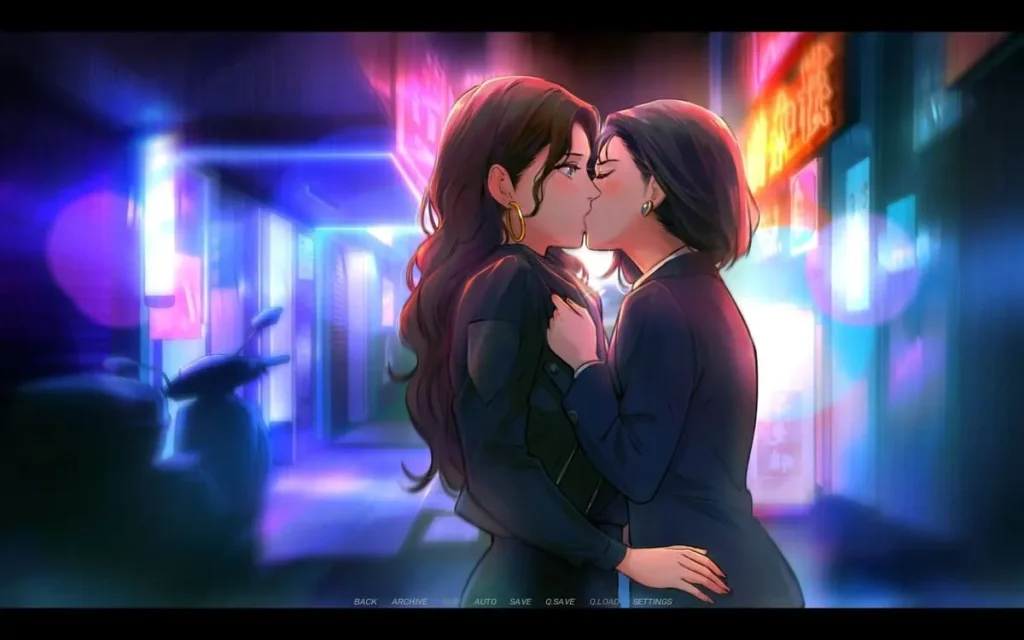
The A Summer’s End Hong Kong 1986 story is a masterclass in atmosphere. You step into the sensible heels of Michelle, a mid-level office worker navigating a life of routine, family dinners, and unspoken expectations. Her world is one of order and filial duty, perfectly captured in scenes of bustling, steamy dai pai dongs (open-air food stalls) and the quiet tension of family apartments. This all changes with a chance encounter in—where else?—the vibrant, chaotic heart of Mong Kok scenes 🚦🌃.
Enter Sam, a free-spirited photographer with a captivating smile and a confident swagger. Their meet-cute is electric, and it ignites a quick-burn romance that forms the core of the experience. But this isn’t just a simple love story. The narrative deftly uses the backdrop of a booming, transitional Hong Kong to mirror Michelle’s internal journey. The game explores identity, family pressures, and a conservative culture with a remarkable lack of what some call “tragedy porn.” The conflict feels real and rooted in its setting—the anxiety of societal gaze, the weight of familial hope, and the thrilling, terrifying prospect of choosing your own happiness.
From the serene seascapes of Sai Kung to the iconic neon glow of Nathan Road, every location is a character. One standout moment is the now-famous “Romantic Rain” kiss scene, a beautifully rendered sequence where the city itself seems to conspire to bring them together. The Mong Kok scenes, in particular, with their crowded markets and flashing signs, perfectly symbolize the overwhelming yet exciting new world Sam represents to Michelle.
Who Are Michelle and Sam, and Why Do They Resonate?
At the center of this unforgettable experience is the Michelle and Sam romance. Their dynamic is what makes the A Summer’s End Hong Kong 1986 story so profoundly affecting.
- Michelle is someone many of us can see ourselves in. She’s cautious, thoughtful, and has built a life on “shoulds” rather than “wants.” Her internal struggle isn’t shouted; it’s heard in her hesitant dialogue choices and her pensive moments alone. Playing as her, you feel every flutter of excitement and pang of doubt. Her journey is about finding the courage to listen to her own heart, a universal theme that gives this queer romance in Hong Kong immense relatable power.
- Sam is the catalyst. From first sight, she exudes a charm that’s both inviting and intimidating. She represents a path less traveled—artistic, independent, and openly living her truth. Yet, she’s never just a “manic pixie dream girl.” She has her own depth, patience, and vulnerabilities, especially when faced with Michelle’s hesitance.
Then there’s Joey, Michelle’s kind but hopelessly friend-zoned suitor. He’s not a villain; he’s another symbol of the expected, straightforward life Michelle is supposed to want. His presence heightens the stakes of her real desires.
“My parents… they have this picture of my future. A good job, a nice husband, grandchildren. Sometimes it feels like I’m living inside their photograph.”
This line, or ones like it, captures the central tension perfectly. The game excels at portraying the oblique East Asian conversation style—where meanings are buried in what’s not said, in sidelong glances over tea, and in polite deflections. This builds a very real, palpable anxiety. You’re not just choosing dialogue options; you’re nervously navigating a minefield of subtext, desperately trying to signal your true feelings without saying the “wrong” thing. It’s incredibly authentic and immersive.
Exploring the Two Endings: Romance or Regret?
One of the most compelling aspects of what is A Summer’s End game is its narrative agency. Your choices truly matter, leading to one of two powerfully different conclusions. Here’s a spoiler-light look at the game endings explained 🎭.
Your key decisions revolve around how Michelle responds to the pressure around her and how boldly she embraces her feelings for Sam. Will she give in to obligation and fear, or will she fight for a chance at unexpected love?
The outcomes are starkly emotional:
- The True Romantic Ending (The “Good” End): This is the payoff every hopeless romantic plays for. By consistently choosing courage, honesty, and vulnerability, you guide Michelle to a beautiful, affirming conclusion. It culminates in a heartfelt and earned resolution that celebrates their love, offering a powerful and hopeful statement for this queer romance in Hong Kong. It’s the ending that will leave you smiling, maybe with a happy tear or two.
- The Parting Ways Ending (The “Bad” End): If Michelle’s choices are dominated by caution, denial, or succumbing to external pressure, the story leads to a poignant conclusion of regret. It’s not melodramatic; it’s quiet, realistic, and utterly heartbreaking. They part ways, and the game makes you feel the weight of that loss—the life not lived, the love not embraced. It’s a masterful exploration of “what if.”
For the best emotional payoff, here’s some practical advice: When faced with a choice, listen to Michelle’s heart, not her anxiety. Choose dialogue that is open, honest, and leans toward Sam. Be the brave version of Michelle you wish you could be. The game rewards emotional bravery with an incredibly satisfying conclusion to the Michelle and Sam romance.
To help you navigate without major spoilers, here are key themes to guide your choices:
- 🗣️ Speak Your Truth: Opt for dialogue that expresses your real feelings, even if it feels scary.
- ❤️ Prioritize Sam: When torn between social obligations and Sam, lean toward spending time with her.
- 🏃♀️ Embrace the Moment: Don’t pull away from intimate or emotionally charged scenes.
- 👨👩👧 Navigate Family Carefully: You can’t ignore family pressures, but you can choose how to respond to them—look for options that assert your own path respectfully.
To visualize the path to each ending, here’s a simplified guide:
| Your Michelle’s Behavior Leads To… | The Romantic Ending 🌈 | The Parting Ways Ending ☔ |
|---|---|---|
| Key Mindset | Courage, Openness, Vulnerability | Caution, Denial, Obligation |
| With Sam | Choosing connection, sharing feelings, being present | Keeping distance, avoiding depth, pulling away |
| With Family/Society | Gently asserting self, setting boundaries | Acquiescing to pressure, avoiding conflict |
| Final Feeling | Hopeful, joyful, triumphant | Melancholic, reflective, full of regret |
Ultimately, the A Summer’s End Hong Kong 1986 story stays with you because it feels true. It understands that love stories are also stories about the self, set against the backdrop of the world we live in. The Michelle and Sam romance is a tender, powerful beacon within that world. And this is all before we’ve even fully dived into the game’s stunning visual artistry—a love letter to 80s anime and Hong Kong cinema that deserves its own chapter. Stay tuned for that deep dive next ✨.
A Summer’s End – Hong Kong, 1986 wraps you in its nostalgic embrace, from neon-lit streets to heartfelt confessions under the rain. Michelle and Sam’s journey reminds us that love finds a way, even in uncertain times. I’ve replayed it multiple times, each path revealing new layers of emotion and beauty. If you’re craving a story that balances tenderness with optional passion, grab the game and adult patch today. Dive in, make your choices, and let 1986 Hong Kong change you – what’s your ending going to be?