Culture Shock
Play Culture Shock
Culture Shock Screenshots



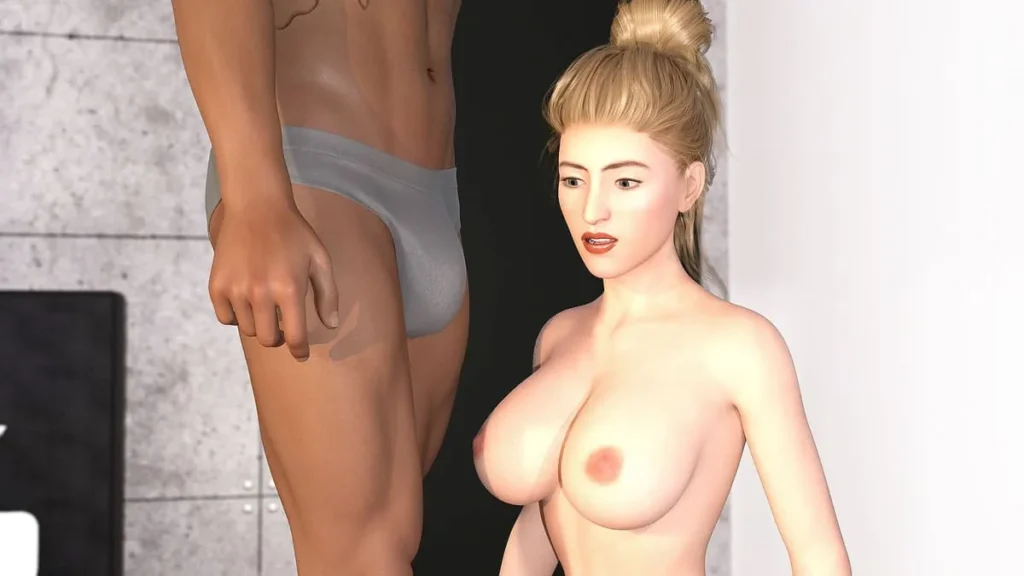

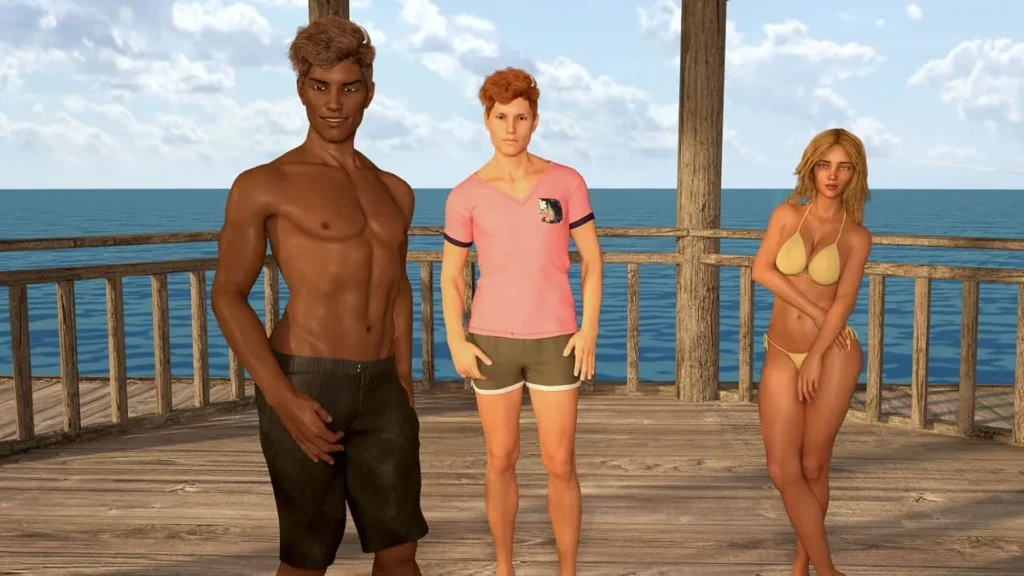
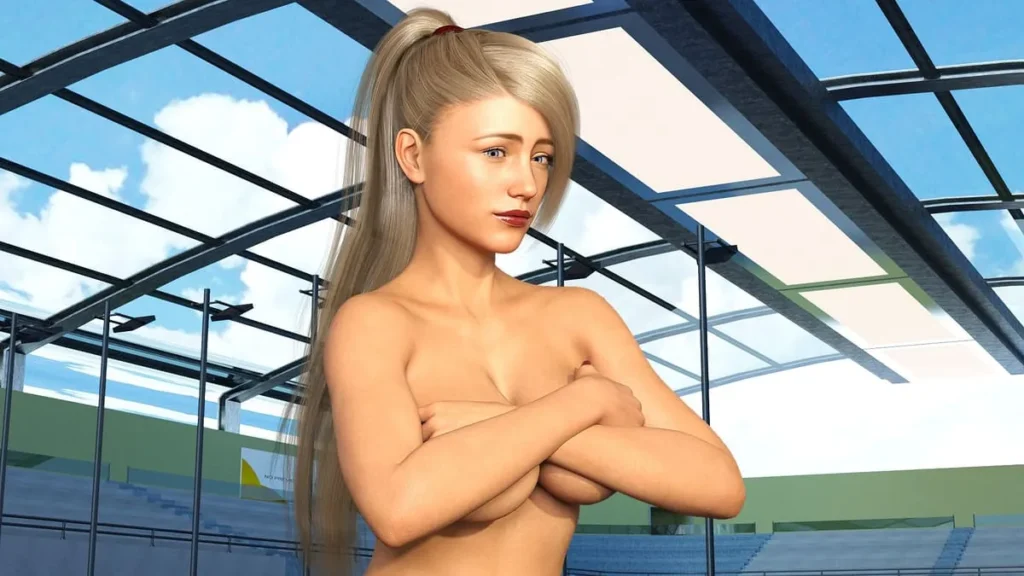

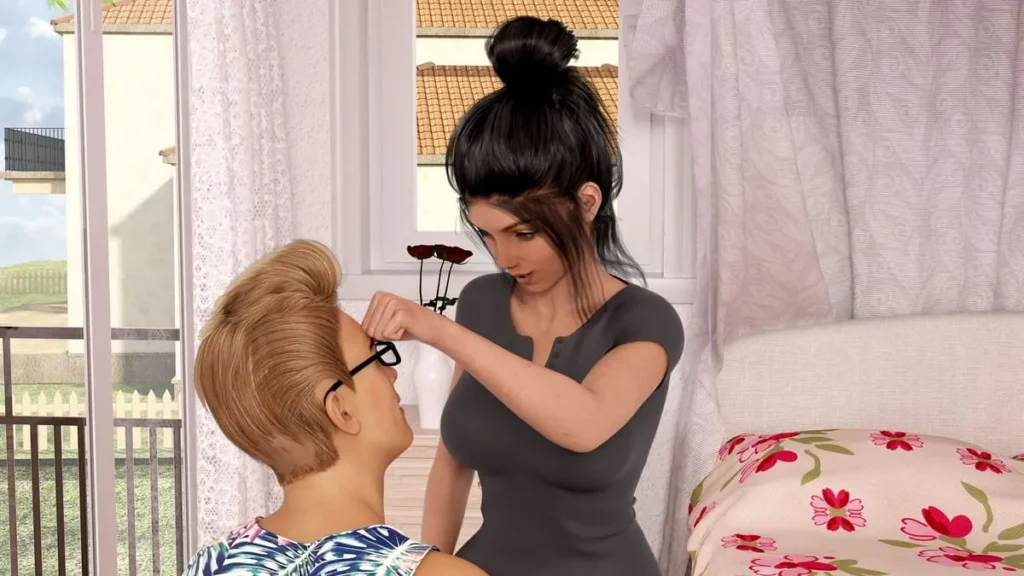
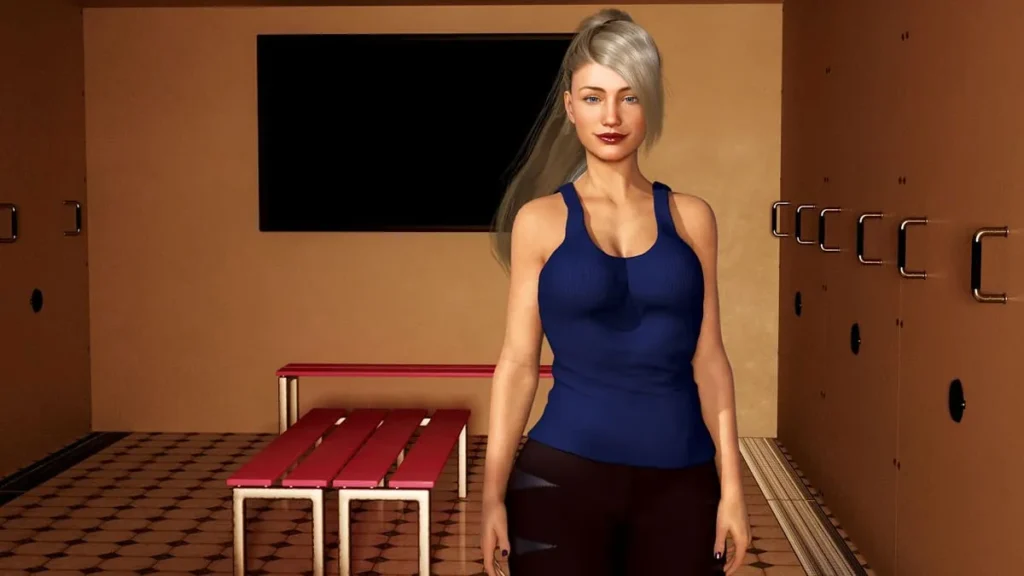



Culture Shock review
Explore the narrative-driven experience of this indie first-person visual novel
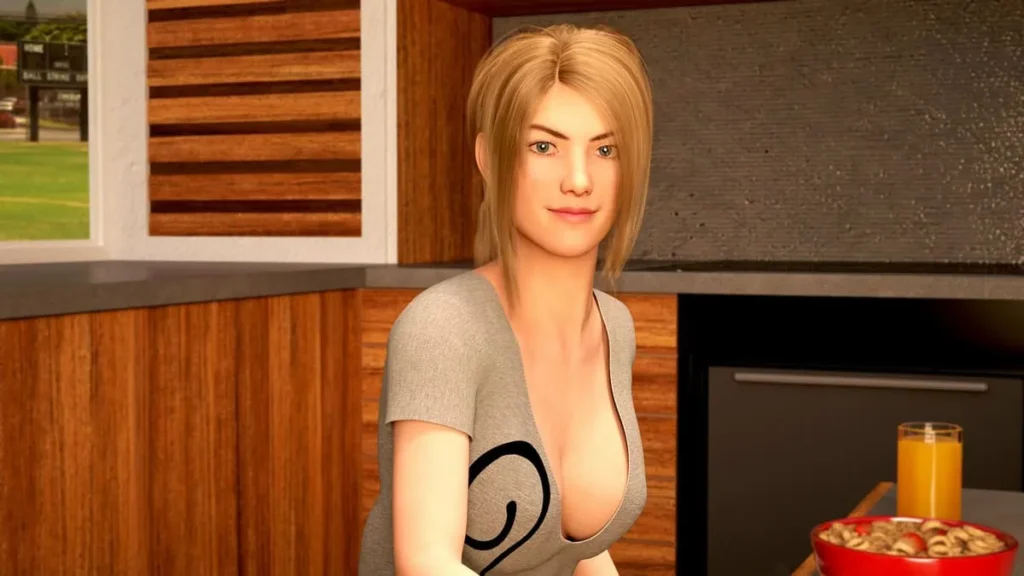
Culture Shock is a distinctive first-person visual novel developed by an independent creator that follows the journey of a protagonist relocating from a rural background to an urban environment. This narrative-driven experience focuses on character transformation and relationship building as players navigate a new city lifestyle. The game emphasizes player choice and consequence, allowing you to shape your character’s path through meaningful decisions. Whether you’re interested in visual novels, indie games, or story-rich experiences, understanding what Culture Shock offers can help you decide if it aligns with your gaming preferences. This guide explores the game’s core elements, gameplay mechanics, and what makes it a notable entry in the visual novel genre.
Understanding the Core Gameplay and Story Framework
Ever downloaded a game expecting one thing and getting something that completely reshapes how you think about interactive stories? That was me with Culture Shock. I went in thinking I’d just click through some pretty visuals, but I left feeling like I’d genuinely lived another life, making tough calls and facing the exhilarating, terrifying whirlwind of moving from a quiet hometown to a sprawling city. If you’re curious about narrative depth and real consequence in your gaming, buckle up. This first-person visual novel game is a masterclass in digital storytelling.
This chapter is your deep dive into the heart of the experience. We’re peeling back the layers on what makes Culture Shock tick, from its relatable premise to the intricate visual novel story mechanics that put you firmly in the driver’s seat. Let’s get started. 🎮
What is Culture Shock and How Does It Work?
At its core, Culture Shock is an immersive, first-person visual novel game that does exactly what its name promises: it immerses you in the disorienting, thrilling, and often awkward transition from one world to another. Unlike traditional games focused on reflexes or puzzles, this indie visual novel gameplay is all about perception, conversation, and consequence. You don’t just watch a story unfold; you are the story.
So, how does it work? Imagine the game as a beautiful, interactive graphic novel where your mouse clicks (or taps) guide the narrative flow. You’ll be presented with static, evocative visuals that set the scene—a dusty rural road, the dazzling skyline of Honolulu, a crowded university hallway. Over these visuals, text appears, narrating the protagonist’s inner thoughts or driving the dialogue forward. The magic happens when the text stops, and branching dialogue options pop up on screen. This is where you take over.
The genius of this player choice visual novel is its commitment to the first-person perspective. You never see your character from the outside; you see the world through their eyes. This creates an incredible sense of intimacy and responsibility. When you choose a dialogue option, you’re not instructing a character—you’re speaking as yourself. The responses from other characters feel directly aimed at you, making every friendship formed, every misunderstanding, and every moment of connection intensely personal. It’s a character-driven narrative game because you, the player, become that character.
💡 Pro Tip: Don’t rush through the descriptive text! The atmosphere in Culture Shock is a character itself. Letting the mood of each scene sink in makes your choices feel more grounded and meaningful.
Here’s a quick breakdown of the core interactive loop you’ll experience:
| Phase | What You Do | Why It Matters |
|---|---|---|
| Observation 👀 | Read narrative text, absorb the scene’s visuals and mood. | Sets the emotional context and gives you clues about other characters’ states of mind. |
| Decision Point ⚖️ | Select from 2-4 dialogue or action choices presented. | This is your agency. Each choice pushes the narrative onto a subtly (or dramatically) different path. |
| Consequence 🔄 | Experience immediate reaction from characters and see story progress. | Relationships deepen or deteriorate, opening up or closing off future story branches and endings. |
This framework might sound simple, but within it lies incredible complexity. The Culture Shock visual novel isn’t about “good” or “bad” choices; it’s about authentic ones. Will you be the cautious newcomer, or dive headfirst into the urban chaos? The game remembers, and the world reacts accordingly.
The Main Character’s Journey: From Rural to Urban Life
Every great story needs a compelling “what if?” scenario. Culture Shock asks a profoundly relatable one: What if you got the chance to completely restart your life in a brand new world? 🛫
You step into the shoes of an eighteen-year-old who has just graduated high school. Life in your small, familiar hometown feels… settled. Maybe a bit too settled. The future seems like a straight, predictable line. Then, out of the blue, comes a lifeline: an invitation from your aunt in Honolulu. She offers you a place to stay and a chance to start anew in the vibrant, sprawling city. This isn’t just a vacation; it’s a proposal for a total life overhaul.
This premise is the brilliant engine of the entire Culture Shock visual novel. The contrast between rural and urban life isn’t just a backdrop; it’s the central conflict, the source of every anxiety, and the catalyst for every bit of growth. As someone who made a big move early in my own life, I can tell you—the game nails the feeling. The overwhelming scale of the city, the pace of life that feels three clicks too fast, the strange mix of anonymity in crowds and the intense pressure to find your tribe… it’s all here.
Your aunt is your anchor in this storm. She’s more than just a plot device; she’s your first meaningful relationship in the game and your guide to navigating the unknown. How you choose to interact with her sets a foundational tone. Do you lean on her for support, eager for family connection? Or do you assert your newfound independence, perhaps too brashly? She is the gateway to your new life, and the dynamics of your relationship with her will color your entire experience.
This journey is the essence of a character-driven narrative game. The external plot is your adjustment to the city—finding your way around, starting at a new college, meeting people. But the internal plot, the one that truly matters, is about identity. Are you still the person from the countryside, or are you becoming someone new? Can you be both? The city forces you to confront these questions daily, and your choices are your answers. This makes the Culture Shock experience deeply personal; your protagonist’s journey will uniquely reflect your own decisions about openness, nostalgia, courage, and adaptation.
Gameplay Mechanics and Player Agency
This is where the rubber meets the road in Culture Shock. It’s one thing to have a great story premise, but this indie visual novel gameplay delivers a system where your presence is constantly felt. You are not a passenger. You are the pilot, even when you feel like you’re flying blind through cloudy skies. 🌩️☀️
Let’s start with the foundation: character customization. Right from the start, you’re asked to name your protagonist. This simple act is powerful—it transforms the experience from playing as someone to playing as yourself in this situation. This personalization is a cornerstone of the player choice visual novel philosophy. The game may define your backstory (the rural upbringing, the move), but you define the personality that emerges from it.
Now, onto the main event: the branching narrative. Every interaction in Culture Shock is built on a tree of possibilities. Early on, you’ll face seemingly small choices that have long-reaching shadows. Let’s look at a concrete example right from the start.
Example: The Aunt’s Invitation Response
After the initial narrative sets the scene, you’re often given your first major choice: how to internally process or verbally respond to your aunt’s offer. The options might be something like:
* Option A (Grateful & Eager): “This is the opportunity I’ve been waiting for. I can’t thank you enough.”
* Option B (Nervous & Hesitant): “It’s a huge change. I’m excited, but I’d be lying if I said I wasn’t scared.”
* Option C (Independent & Bold): “I need to do this on my own terms. I appreciate it, but let’s talk details.”
Choosing A might set a storyline where your aunt becomes a more nurturing, involved figure, opening up subplots about family history. Choosing B could lead to her offering more gradual, gentle introductions to the city, perhaps connecting you with different, more low-key social circles. Choosing C might establish a relationship with more distance, pushing you toward independent exploration and the potential for faster, harder lessons. This is the branching dialogue visual novel in action—no choice is merely cosmetic.
The game’s structure masterfully weaves together key pillars of interaction:
| Mechanic Pillar | Description | Impact on Your Playthrough |
|---|---|---|
| Relationship Values 🤝 | Hidden metrics that track your standing with every major character (Aunt, new friends, love interests). | Determines who trusts you, what secrets they share, and whether certain story paths become available. A low score might lock you out of a supportive scene; a high one might unlock a crucial helping hand. |
| Stat Checks 📊 | Certain choices require a level of “Courage,” “Empathy,” or “Independence” built through prior decisions. | Makes your character build feel tangible. You can’t give a bold, confident speech in Act 3 if you’ve chosen every timid option in Acts 1 and 2. Your history validates your present. |
| Narrative Flags 🚩 | Invisible markers that record specific key decisions (e.g., “Took a part-time job at the café,” “Lied about your past to a new friend”). | These flags can combine in later chapters to trigger unique events, confrontations, or moments of reconciliation, creating a truly bespoke story. |
This framework means that Culture Shock has immense replay value. My first playthrough, I was the hesitant newcomer, clinging to nostalgia. I missed entire character arcs and locations because my choices didn’t lead me there. On my second, I played as a bold adventurer, and it felt like a completely different game—I met new people, got into different conflicts, and discovered sides of the city (and of myself) that were invisible before.
The visual novel story mechanics here are designed for one purpose: to make you feel the weight of your own voice. In a world that’s constantly asking, “Who are you going to be?” your dialogue choices are your answer. It’s a powerful, sometimes nerve-wracking, but always engaging form of indie visual novel gameplay that proves stories aren’t just something you hear—they’re something you build, one choice at a time.
So, as you prepare to click “New Game” on Culture Shock, remember: you’re not just starting a story. You’re accepting an invitation to define one. Your past is written, but your future in the city is a blank page, waiting for your decisions to fill it with color, conflict, and meaning. Will you find belonging, or will you create something entirely new? Only your choices will tell. ✨
Culture Shock stands out as a narrative-focused visual novel that emphasizes player agency and character transformation. The game’s strength lies in its exploration of cultural adaptation through an interactive medium, allowing players to shape their protagonist’s journey from rural to urban life. By combining meaningful character relationships, consequential decision-making, and a richly detailed urban setting, Culture Shock creates an engaging experience for those interested in story-driven games. The visual novel format enables deep narrative exploration while maintaining player control over the protagonist’s development and relationships. Whether you’re drawn to character-driven stories, relationship simulators, or indie gaming experiences, Culture Shock offers a unique perspective on personal growth and social dynamics. For players seeking a game that prioritizes narrative depth and player choice, this title provides a compelling experience worth exploring.