Demons of the Hearth
Play Demons of the Hearth
Demons of the Hearth Screenshots




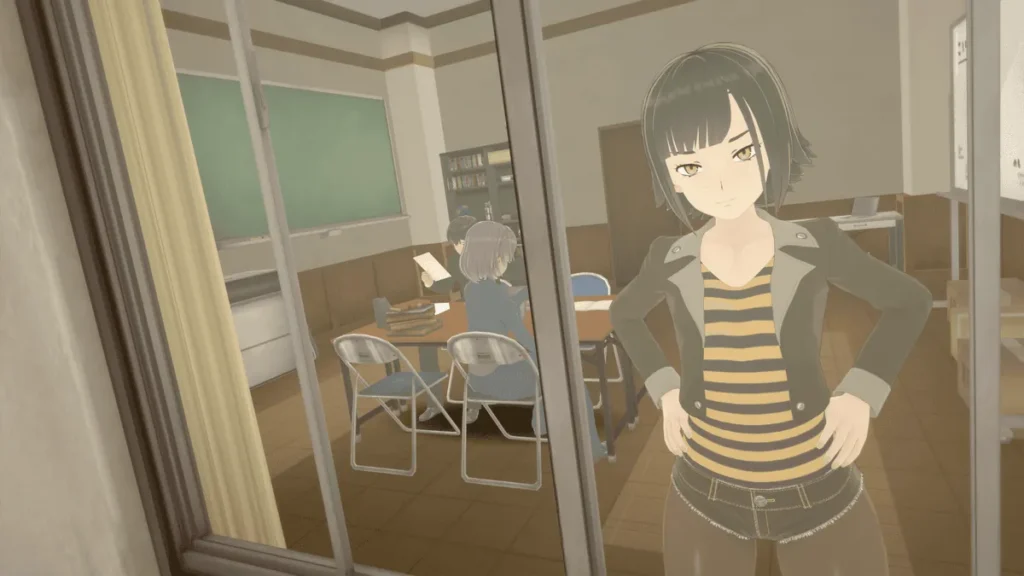
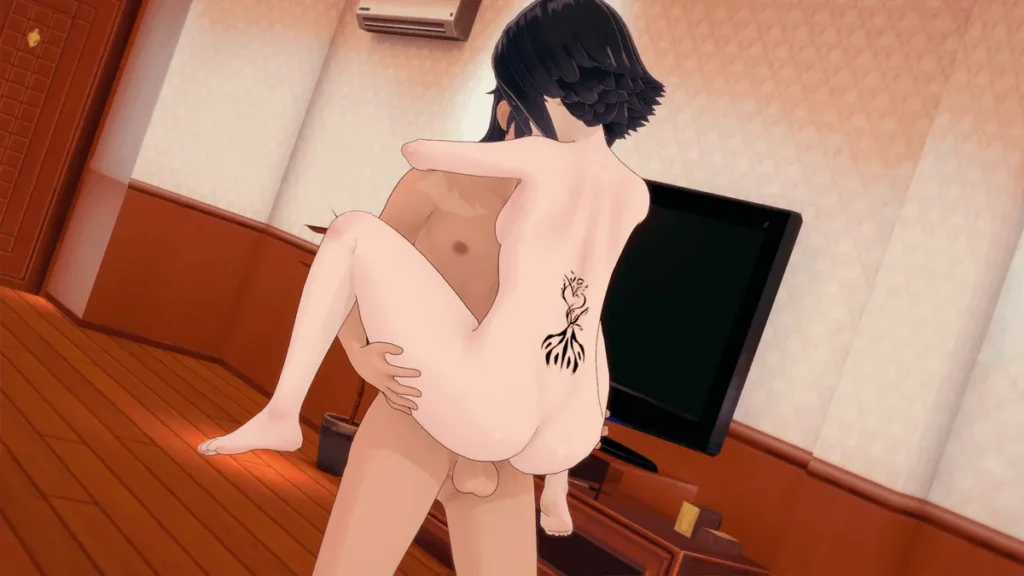




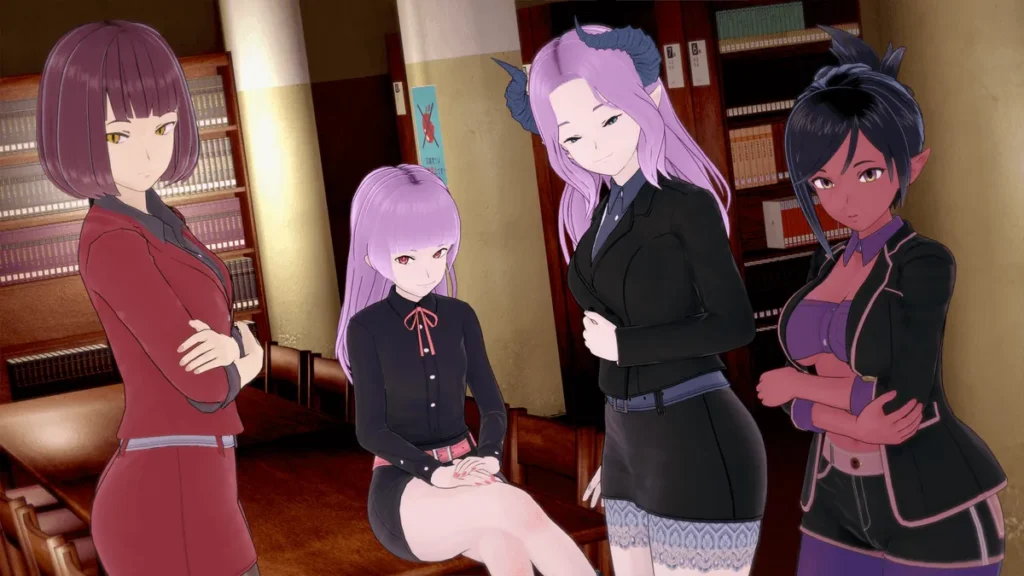
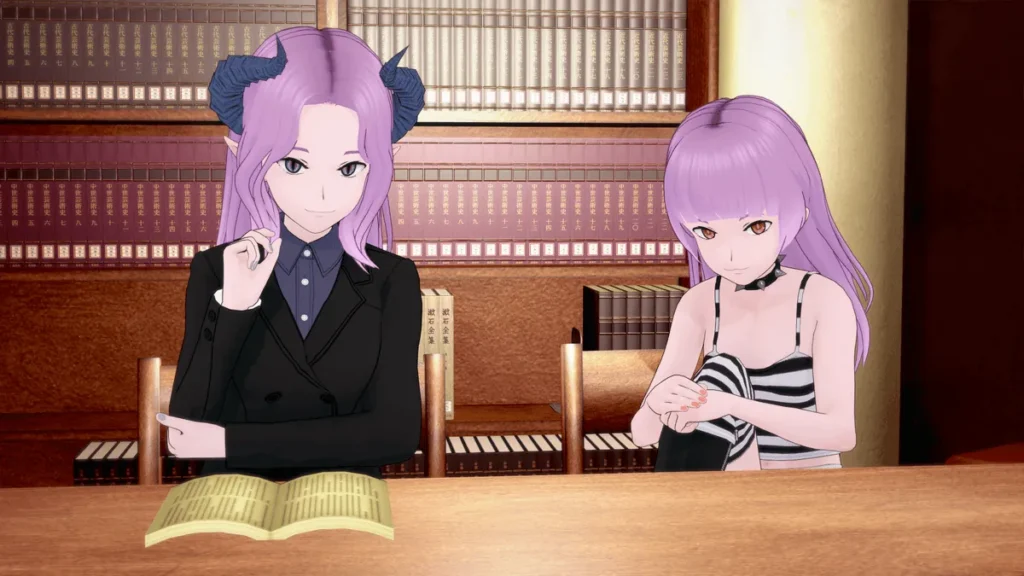
Demons of the Hearth review
Dive into Storytelling, Characters, and Intimate Gameplay
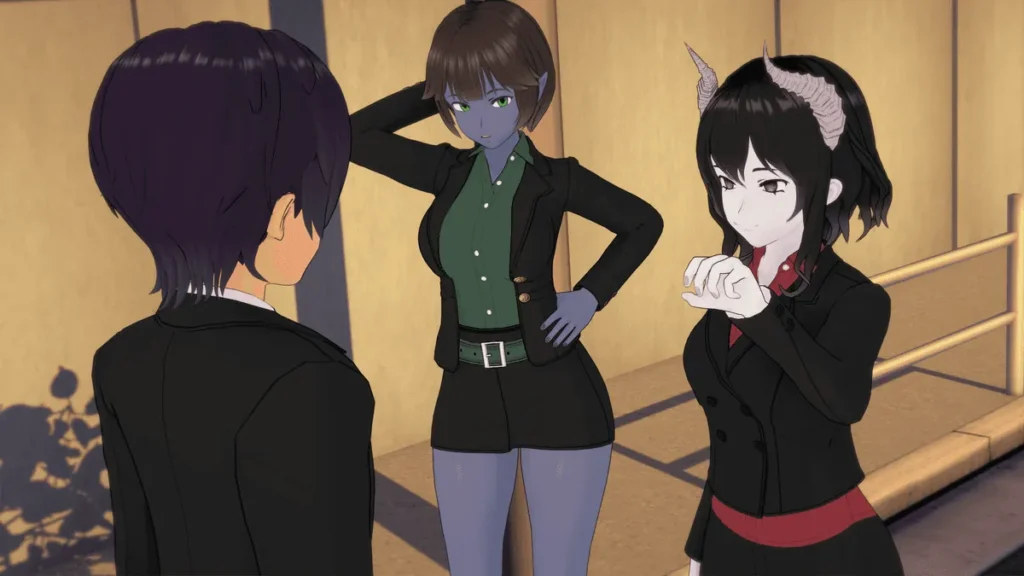
Ever stumbled upon a game that turns fixing up a rundown family home into an epic tale of secrets, bonds, and steamy encounters? That’s Demons of the Hearth for you—a visual novel that hooked me from the first choice. Developed by Konvel and available on itch.io, this interactive story blends deep narrative with character-driven drama and adult scenes that feel earned, not tacked on. I remember my first playthrough, heart racing as I uncovered hidden family ties and navigated trust with quirky neighbors. If you’re into Demons of the Hearth gameplay, character arcs, or those intimate moments, this guide breaks it all down to help you master it.
What Makes Demons of the Hearth Gameplay So Addictive?
I have to admit, I spent my first few hours with Demons of the Hearth completely lost. 😅 I was wandering the beautiful, haunting house, clicking on everything, talking to everyone, but the story just… wouldn’t budge. I was trapped in what felt like a beautiful limbo, admiring the art but starving for the next plot beat. I was stuck in the sandbox mode, and I didn’t know the rules. It wasn’t until I stumbled into the library at dusk, instead of during the day, that I triggered a key conversation with a certain character—a moment that changed everything and finally pushed the story forward. That’s when it clicked: this isn’t a passive novel; it’s a living, breathing world where your curiosity and choices are the engine. This is the magic of Demons of the Hearth gameplay.
So, what makes it so uniquely captivating? It’s the perfect, tense marriage of a gripping thriller narrative and a deeply interactive simulation. You’re not just reading a story; you’re living inside it, and every cup of tea shared, every question asked, and even every argument had, ripples through the lives of its damaged, compelling characters. Let’s break down exactly how this works and how you can master it.
How the Trust System Shapes Your Choices
Forget experience points or currency. The absolute heart of Demons of the Hearth gameplay is the trust system. This isn’t a simple “like” meter you fill by being nice. Think of it as a complex, invisible web of emotional connections and reputations you build with each character. Every interaction—from a supportive comment to a challenging question—affects this hidden dynamic.
The beautiful part? Sometimes, building deeper bonds requires respectful disagreement. Blindly agreeing with everyone can actually stall your progress. One character might need you to challenge their self-pity to see their own strength. Another might trust you more if you show suspicion where they feel it, rather than offering naive comfort. The trust system in Demons of the Hearth rewards emotional intelligence, not people-pleasing. You’re navigating real, fractured psyches, and the game respects that complexity. It’s this system that organically triggers key events—a late-night confession, an offer to help with a personal task, a sudden flashback—moving the plot forward because of the relationship you’ve cultivated, not because you ground through 50 repetitive actions.
Navigating Sandbox Mode and Side Quests
This is where many players, myself included, initially falter. The open Demons of the Hearth sandbox mode can feel overwhelming. You’re free to explore the house and its grounds, but without direction, it’s easy to spin your wheels. Here’s the secret: the game is always giving you hints.
Pro Tip: Always check the main menu. The “Current Objectives” and character notes are your compass. They don’t spell everything out, but they point you toward lingering tensions and unresolved questions.
The key to how to progress in Demons of the Hearth is entering locations at the right times. The time of day (Dawn, Day, Dusk, Night) dramatically changes who is where and what events are available. That crucial conversation might only happen in the garden at dawn, or in the kitchen at night. If you’re stuck, change the time and revisit locations. Avoid filler by focusing on characters who have “pending” events or whose recent dialogues hinted at something more.
And don’t sleep on the Demons of the Hearth side quests. These aren’t fetch quests; they are intense, emotional mini-arcs that ramp up the connection and often reveal shocking backstory elements. Following a character’s personal investigation or helping them face a private fear can lead to some of the game’s most heart-pounding discoveries and, ultimately, unlock major narrative branches. They are essential for understanding the full picture.
To tie this all together, here’s a quick-reference guide to the core mechanics:
| Mechanic | Description | Tip for Success |
|---|---|---|
| Trust System | The core relationship mechanic. Influenced by dialogue choices and actions, it unlocks story events and character arcs. | Listen carefully. Sometimes challenging a character’s view builds more trust than passive agreement. |
| Sandbox Navigation | The free-roam exploration of the house and grounds across four times of day. | If stuck, change the time cycle. Key events are often time-locked to Dawn, Day, Dusk, or Night. |
| Side Quests | Character-driven optional stories that reveal deep lore and strengthen bonds. | Pursue them when the main plot feels stalled. They often provide the emotional key to progress. |
| Intimate Unlocks | Scenes of emotional and physical intimacy that emerge from high trust and specific story choices. | Focus on the emotional journey, not a checklist. These scenes are narrative payoffs, not rewards. |
Unlocking Intimate Scenes Without Grinding
Let’s talk about the intimate scenes in Demons of the Hearth, because they embody the game’s philosophy perfectly. These moments are not prizes you win by collecting enough “affection points.” They are emotional culminations, vulnerable intersections in the story that feel earned. You cannot grind for them.
The developers have crafted these scenes with notable care for character authenticity. You’ll find a range of emotional contexts—scenes can be about love, comfort, relief, or confronting shared trauma. The game acknowledges that intimacy is complex. Your dialogue options during these moments often let you define the tone, choosing between expressions of deep affection or mutual solace. Furthermore, character presentation respects individuality, avoiding homogenized defaults.
So, how do you experience them? By fully engaging with the trust system and the story. Be present in your conversations, make choices that resonate with the character’s emotional needs, and follow their personal side quests. The scenes will unfold naturally when the narrative and emotional conditions are right. It’s about the journey, not the destination. The developers have also noted future plans to explore more varied preferences, promising an even richer tapestry of character expression down the line.
My personal insight? This approach makes every moment of connection feel significant. It turns the entire game into a cohesive, replayable thriller rather than a grindy visual novel. You’ll want to go back to see how a different approach with a character changes not just the scene, but the entire emotional context around it. It’s like watching a masterful movie that branches based on your psychological input.
To truly master the Demons of the Hearth gameplay, you must become a student of its hidden stats. While the trust system is the star, your choices also silently shape your protagonist’s own personality stats—traits like Assertiveness, Empathy, or Cunning. These hidden metrics can influence which dialogue options appear later and how characters subtly perceive you. The only way to track them is to pay attention to your own pattern of choices. This is what makes replays so fascinating; choosing a different personality path can unlock entirely new conversational avenues and outcomes.
Actionable Advice for Getting Past Chapter 4.1: This is a common sticking point! If you’re here, the solution almost always lies in the sandbox mode. Go back and exhaust all new dialogues with every character at different times of day. Specifically, look for a side quest that may have opened up—often involving investigating a particular location or resolving a character’s specific anxiety. Progress is gated behind deepening a key relationship or uncovering a specific clue through exploration. Put the main objective aside and immerse yourself in the side stories for a while; the path forward will reveal itself.
Got more questions? Here are some common ones:
How do I advance the main story?
Focus on the character who seems most central to the current chapter’s tension. Increase your trust with them through conversations and by helping with their personal objectives (side quests). Main story events trigger automatically when trust thresholds are met and key clues are found.
I’ve talked to everyone and nothing is happening!
Change the time of day. Then, re-enter the main rooms (Hearth, Library, Kitchen). Key narrative events are almost always triggered by entering a location at a specific time, not just by initiating dialogue from a menu.
Are the intimate scenes necessary for the plot?
While they provide deep character development and emotional payoff, they are often on optional branches. You can complete the main thriller storyline without them, but you’ll miss significant character arcs and understanding.
How do I know if I’m making the “right” choice?
There are no universally right or wrong choices, only choices that align with the character you want to be and the relationships you want to build. The game is designed to be replayed, so embrace the consequences and see where they lead! Different paths reveal different facets of the story.
What’s the best way to experience everything?
Play through once making choices that feel natural to you. Then, replay deliberately choosing opposite personality traits and disagreements to see how the characters and story branches change. The richness is in the variation.
Demons of the Hearth stands out with its gripping story of family healing, messy character growth, and those pulse-quickening intimate moments that evolve with your choices. From the trust-driven interactions to surprise side quests, it feels like a personal journey every playthrough. My tip? Dive in multiple times to see how your decisions reshape everything—it’s worth it. Ready to rebuild that hearth and uncover its demons? Download it now on itch.io and share your favorite character’s arc in the comments below. Your next obsession awaits.