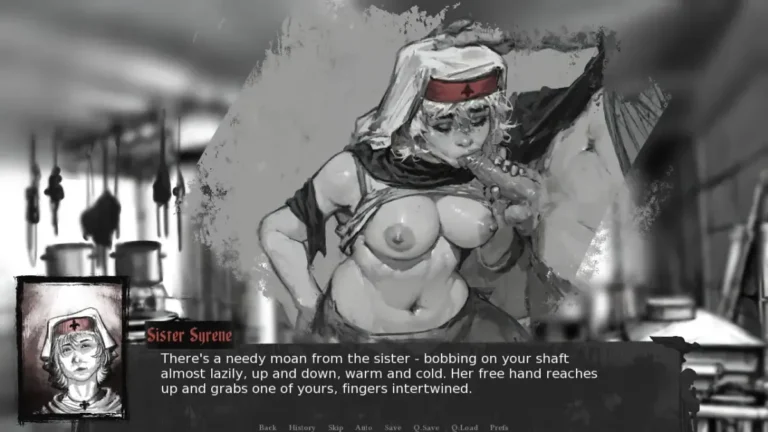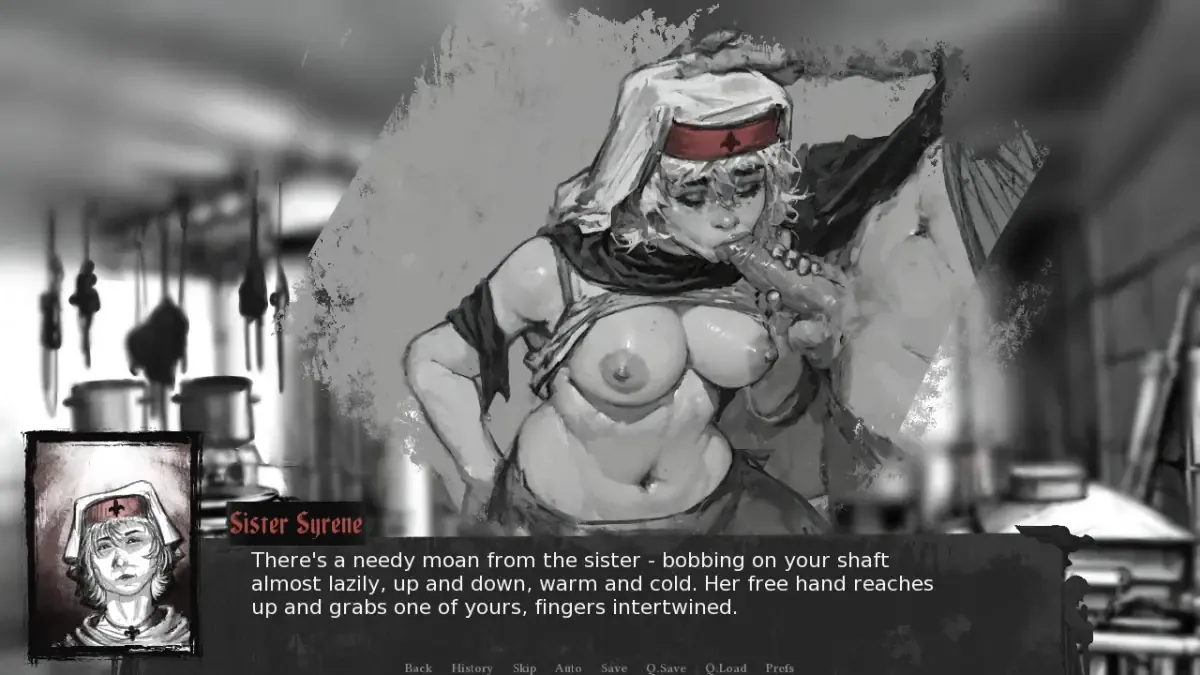
Imperium Bureaucracy Hero
Play Imperium Bureaucracy Hero
Imperium Bureaucracy Hero Screenshots
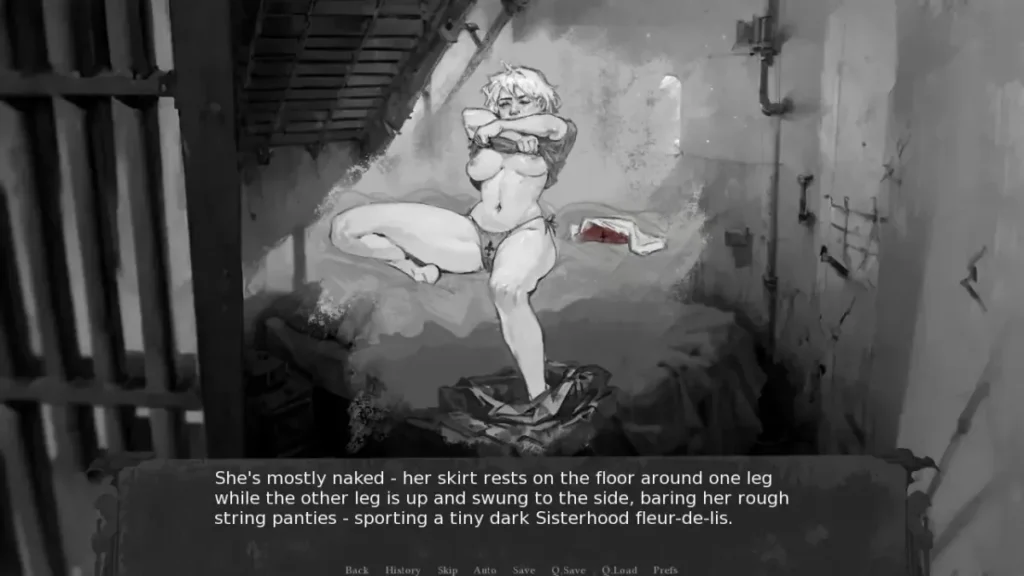
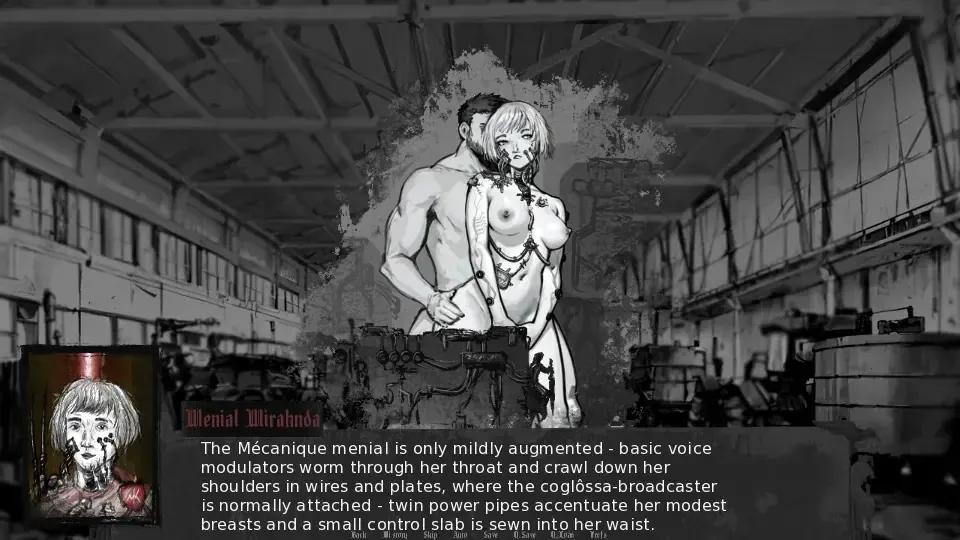
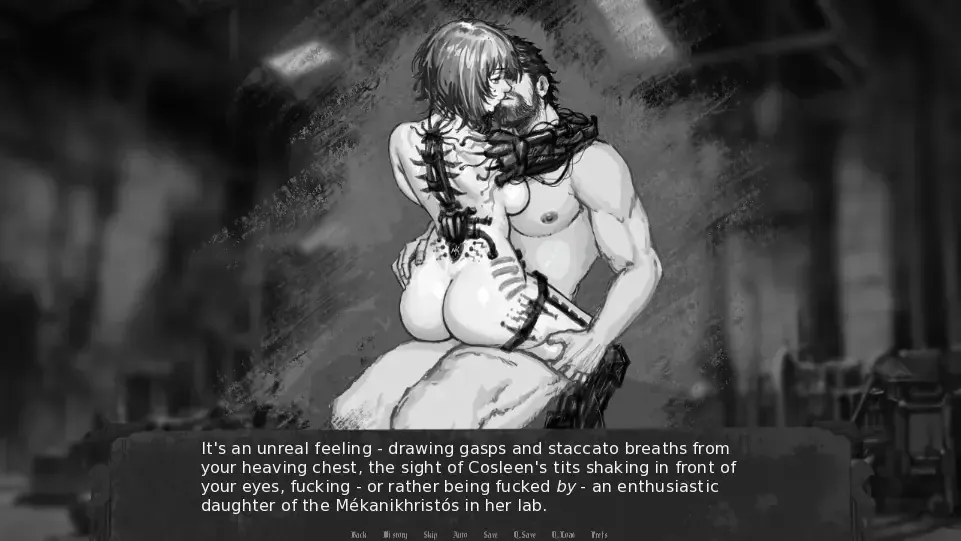
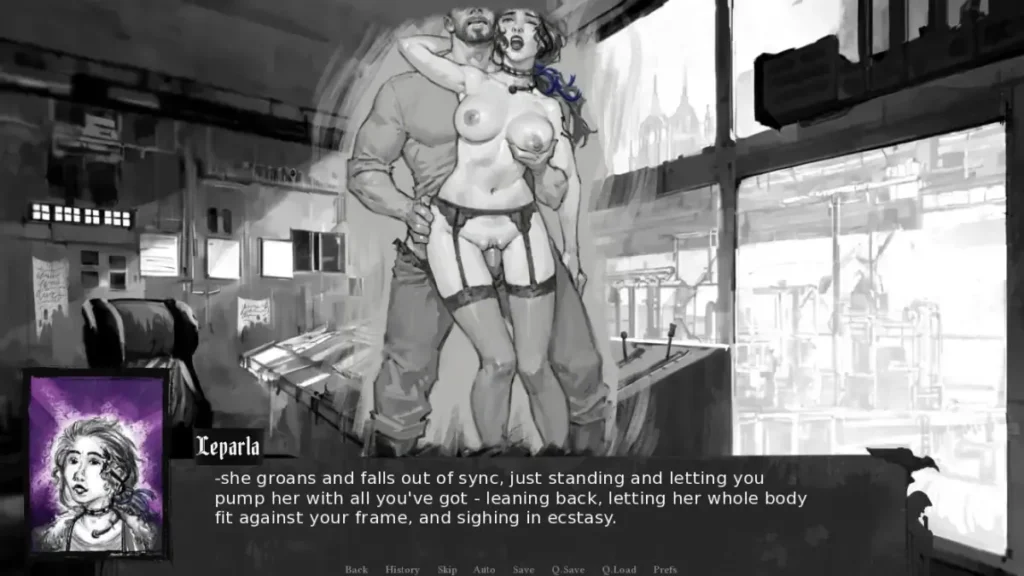
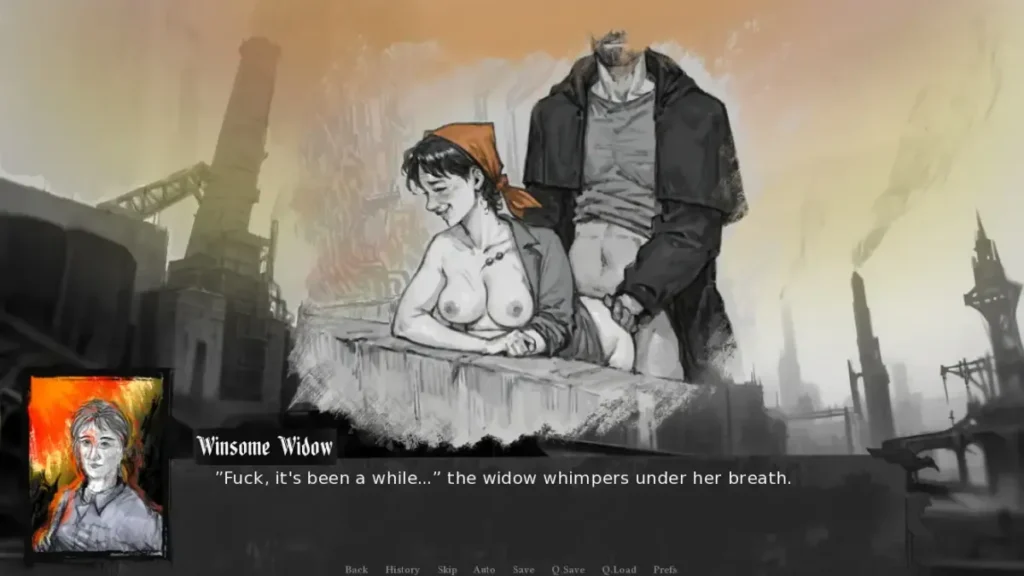
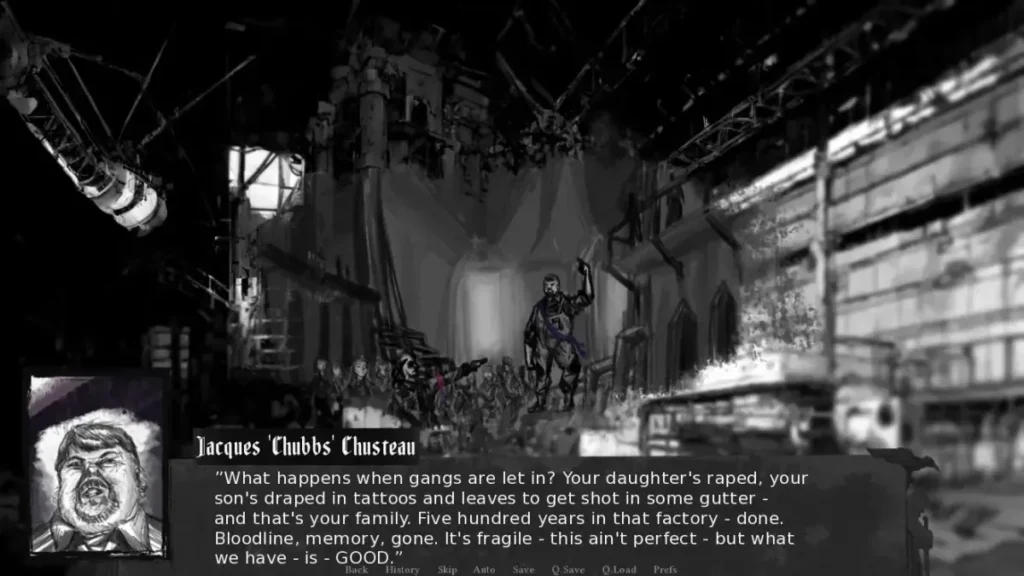
Imperium Bureaucracy Hero review
Explore gameplay mechanics, character development, and narrative choices in this dystopian visual novel
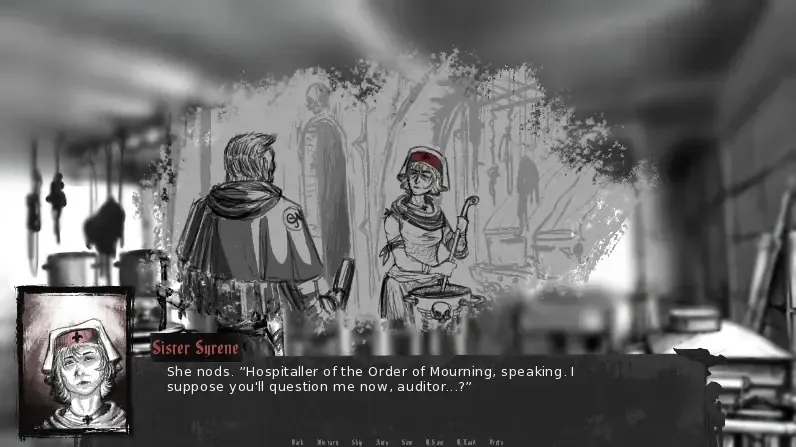
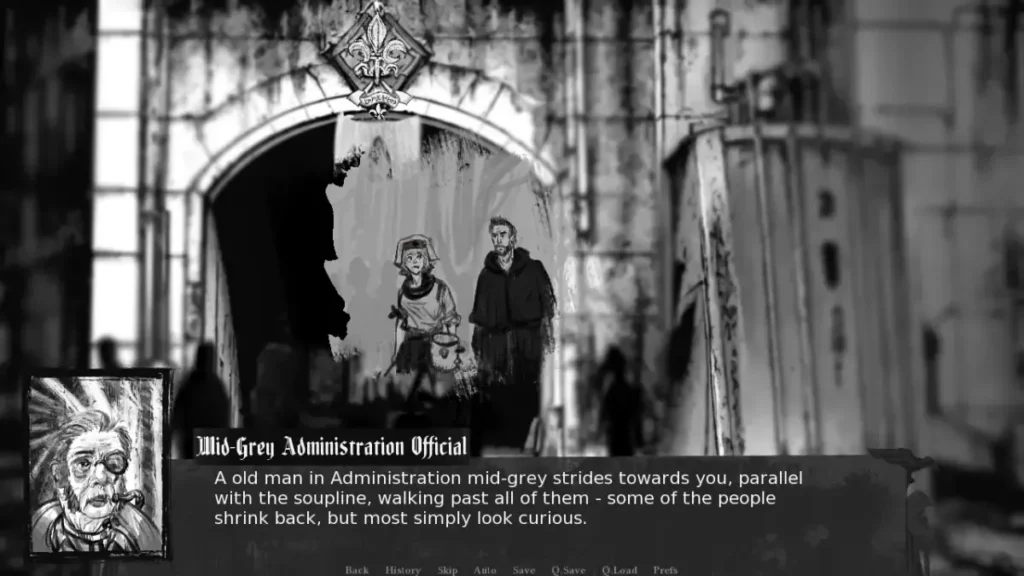
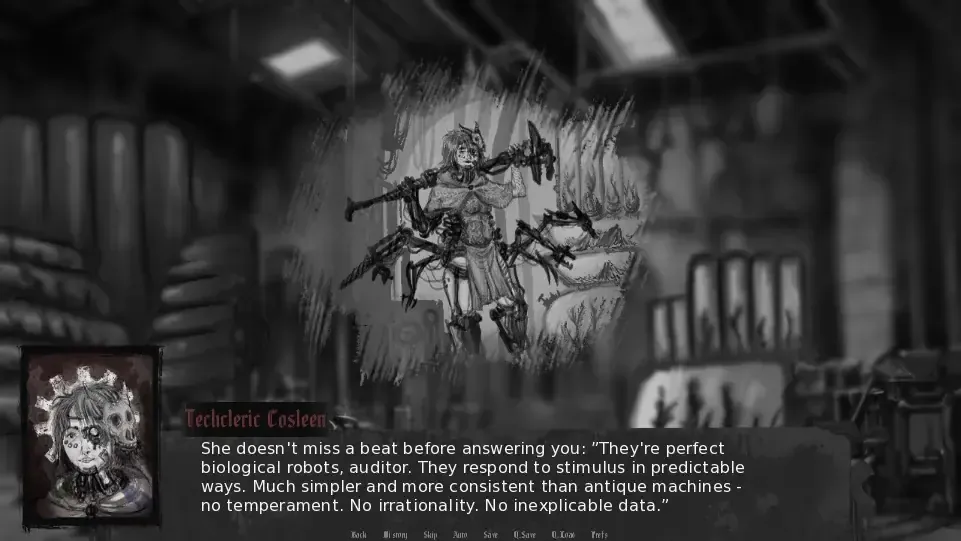
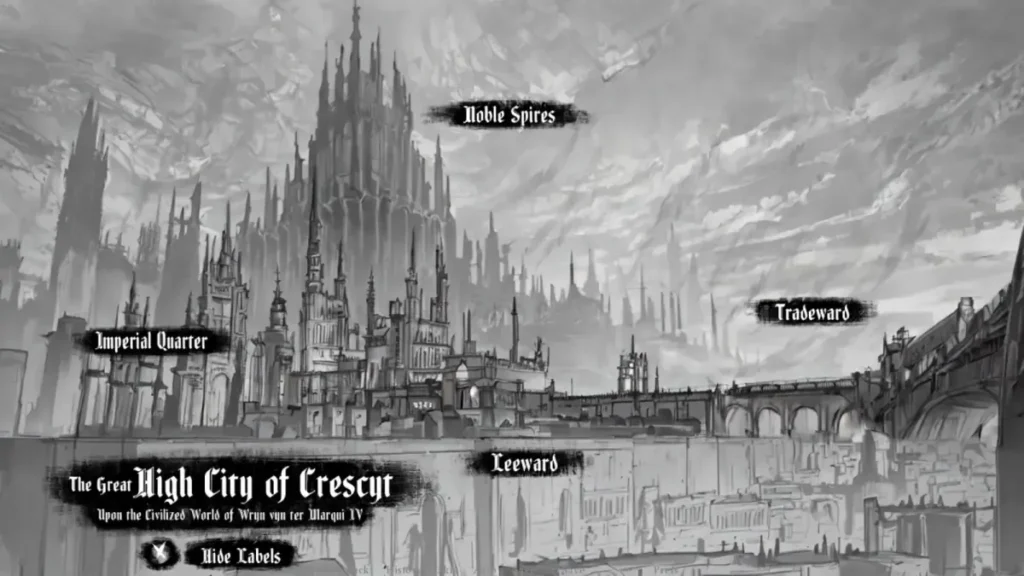
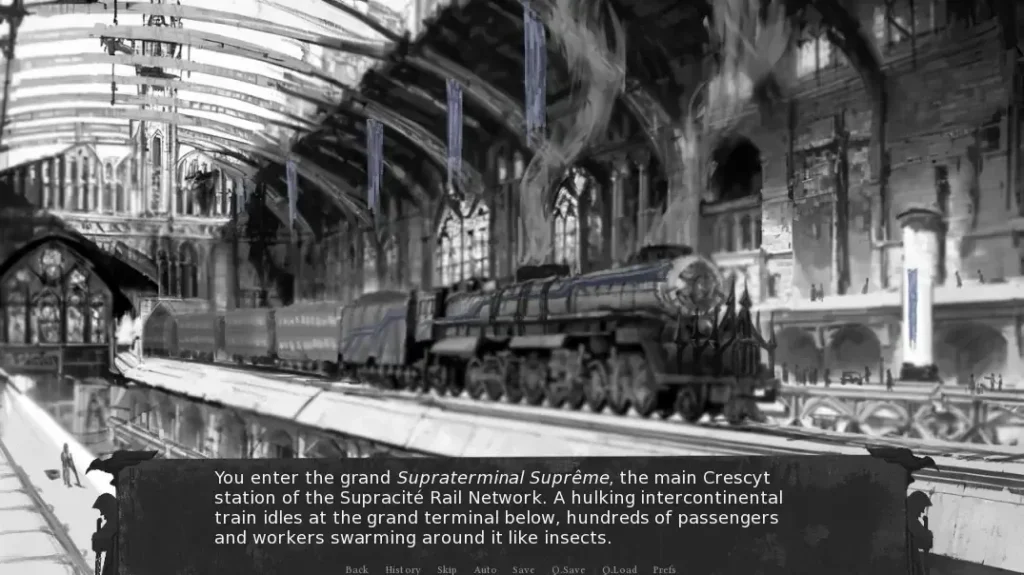
Imperial Bureaucracy Hero stands out as a unique dystopian visual novel that blends bureaucratic simulation with narrative-driven gameplay. Set in the Imperium of Hope and Mourning, this game puts you in the role of a mid-level official navigating a corrupt empire where your choices determine whether you exploit the system, resist it, or succumb to its pressures. With optional adult content and a focus on meaningful decision-making, the game offers players a chance to experience life as a bureaucrat in a richly detailed dark future. Whether you’re interested in the storytelling, character interactions, or the strategic elements of managing your official duties, Imperial Bureaucracy Hero delivers an immersive experience that goes beyond traditional visual novel conventions.
Gameplay Mechanics and Core Features
Alright, let’s get our desks in order. You’ve booted up Imperial Bureaucracy Hero, ready to dive into its bleak, paperwork-strewn world, but you might be wondering: how does this actually play? 🤔 Is it just clicking through dialogue, or is there a deeper system at work?
I’m here to tell you that the Imperial Bureaucracy Hero gameplay is a fantastically rich tapestry of systems where every stamp, every signature, and every glance at a desperate citizen’s file is a meaningful choice. It’s a game where your personality is a weapon, your decisions are landmines, and your inbox is a battlefield. Forget simple good/evil sliders; this is about surviving a system designed to crush the human spirit, whether you choose to be a cog in the machine or a wrench in the gears.
Let’s pull back the curtain on the core mechanics that make this dystopian visual novel so uniquely compelling.
Character Creation Through Mind Facets
Before you process your first form or deny your first petition, you must build the bureaucrat you’ll become. This isn’t your typical “assign stat points” affair. Instead, Imperial Bureaucracy Hero uses a brilliant, narrative-driven system called Mind Facets.
Think of your character’s psyche as a diamond with several faces. 🧊 Each “Mind Facet” represents a core personality trait or professional inclination. You don’t just pick a class; you define a worldview. The game presents you with pairs of opposing statements or impulses, and your choices gradually lock in specific archetypes.
This Mind Facets character creation process is the most important set of Imperial Bureaucracy Hero choices you will make in the entire game. It doesn’t just give you bonuses; it fundamentally rewires how you solve problems and how the world reacts to you. Are you the model, efficiency-obsessed clerk? The cynic looking for a personal angle? Or the one who still foolishly believes in compassion?
This bureaucrat character customization shapes everything:
* Dialogue Options: Entire conversation paths will open or close based on your facets. A “Paperwork Expert” will spot a procedural loophole no one else sees, while a “Bleeding Heart” might have a unique option to offer whispered comfort.
* Problem-Solving: Got a complex case? Your facets will suggest solutions. The “Self-Serving Striver” might see a chance to blackmail someone, while the “Paranoid Individual” would focus on covering their own tracks.
* Narrative Perception: Characters will describe you and react to your reputation based on your dominant facets. The nobles you interact with will size you up immediately based on the office gossip about your “type.”
To give you a clear picture, here’s a breakdown of the core archetypes you can cultivate through the Mind Facets system:
| Personality Archetype | Core Motivation | Gameplay Strengths | Potential Weaknesses |
|---|---|---|---|
| The Paperwork Expert 📄 | Perfection in procedure, order above all. | Easily finds legal loopholes, maximizes efficiency rewards, impresses superiors with flawless work. | Can be blind to moral implications, may miss “human” solutions, vulnerable to emotional manipulation. |
| The Bleeding Heart ❤️🩹 | A desperate need to alleviate suffering, against all odds. | Unlocks unique kindness options, builds deep trust with certain characters, can achieve “hopeful” outcomes. | Constantly clashes with the system, attracts dangerous attention from authorities, leads to burnout. |
| The Self-Serving Striver 🎯 | Personal power, wealth, and climbing the greasy pole. | Excellent at extracting bribes, unlocks blackmail options, thrives in political scheming. | Makes powerful enemies, trusts no one (and is trusted by no one), morally corrosive endings. |
| The Paranoid Individual 👁️ | Survival through suspicion. Everyone is a potential threat. | Excellent at uncovering secrets, avoids traps and conspiracies, great at self-preservation. | Misses opportunities requiring trust, isolates potential allies, life becomes exhausting. |
| The Dangerously Insane Official 😵💫 | To revel in the absurdity and horror of the system itself. | Can approve or deny requests with surreal, terrifying logic that confounds others; unique “chaotic” paths. | Extremely unpredictable, can lead to sudden, catastrophic game overs, alienates everyone. |
My personal first playthrough? I went in thinking I’d be a shrewd Striver. But faced with a sobbing mother pleading for her son’s conscription deferment, my “Bleeding Heart” facet flared up. I forged a document. That single, facet-driven decision set off a chain of events that defined my entire story, teaching me that Mind Facets character creation isn’t about min-maxing—it’s about discovering who you are under pressure.
Decision-Making and Consequence System
At its heart, Imperial Bureaucracy Hero is a masterpiece of conditional storytelling. The decision-making system visual novel framework here is deceptively simple on the surface: you are presented with a situation (a case file, a conversation in the hallway, a noble’s demand) and you choose from a handful of actions.
But oh, the web those actions weave. This is where the dystopian game mechanics truly shine. Every choice is a pebble tossed into the stagnant pond of the Empire, and the ripples are both inevitable and often surprising.
The game expertly frames decisions around a core triad: you can Help Someone, Hurt Someone, or Navigate the Gray Area in between. Helping might mean expediting a permit for a struggling baker. Hurting might be denying a widow’s pension to meet your quota. The gray area? That’s accepting a “donation” from the baker to expedite that permit. The system doesn’t judge you with a morality meter; it simply reacts with narrative consequences gameplay.
Let me share a case study from my second playthrough that perfectly illustrates this. I encountered Sister Anya, a nun trying to get a permit to distribute gruel in a starving district. A simple “help or hinder” choice, right?
- Choice A (Help): Approve the permit quickly. Immediate reward: a slight hit to my efficiency metrics, but gratitude from the nun.
- Choice B (Hinder): Deny it on a technicality. Immediate reward: a small efficiency bonus from my superior.
I chose to help. Felt good, classic “good guy” move. A week later, a Security Officer visited my desk. He’d noticed the approved permit. He calmly explained that the district in question was under a quarantine order for “seditious sentiment.” By authorizing the food distribution, I had potentially allowed agitators to maintain strength. He gave me a new, horrifying Imperial Bureaucracy Hero choice: give him the names of everyone who assisted the nun (dooming them), or be implicated as a collaborator.
My attempt to help had created a much worse dilemma. This is the brutal genius of the decision-making system visual novel. The game tracks everything—names, factions, favors, and transgressions. That baker you helped? He might mention your name to a friend who later asks for a favor. The noble you insulted? He’ll send a rival to audit your department.
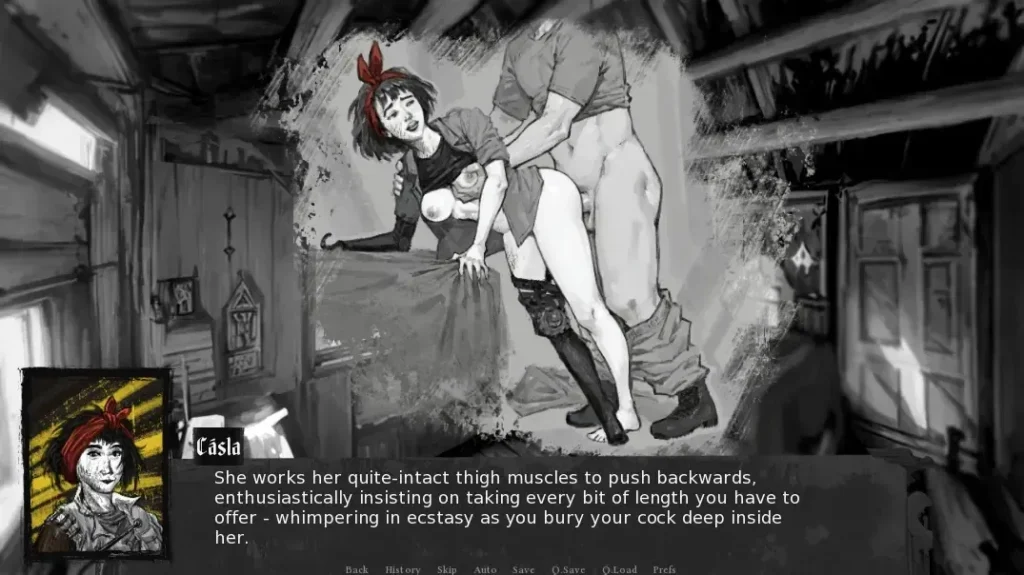
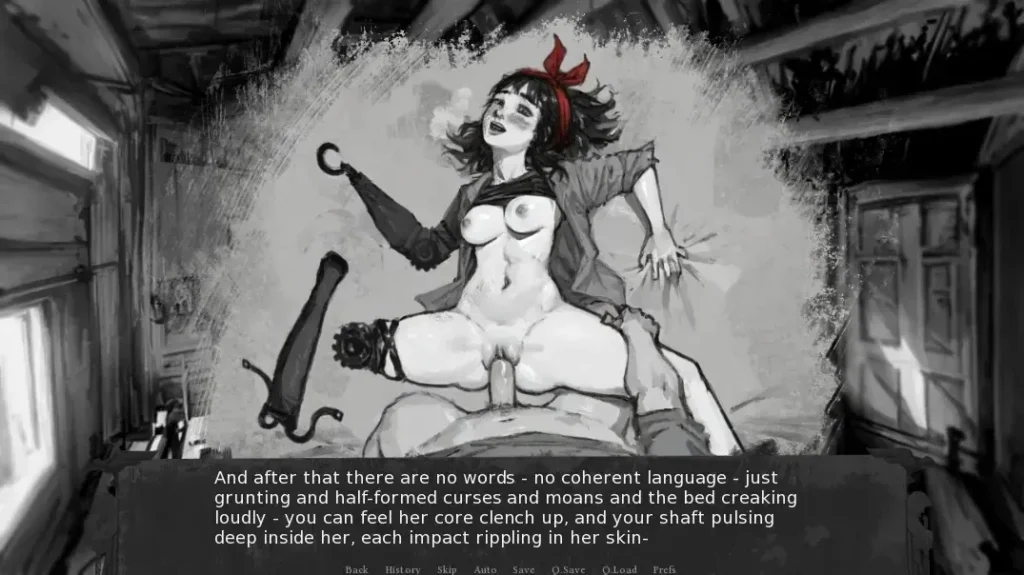
The narrative consequences gameplay also extends to the game’s approach to optional adult content. It is always framed within the power dynamics and misery of the setting. It is never mandatory; you can be a purely clinical bureaucrat. But if you engage, it is treated with the same weight as any other decision—often complicating relationships, creating leverage, or exposing devastating vulnerabilities. It’s a part of the world’s texture, another system to be navigated with potential for profound narrative consequences gameplay.
Balancing Bureaucratic Duties with Personal Relationships
Your in-tray is infinite. Your shift never ends. But Imperial Bureaucracy Hero gameplay understands that the most compelling stories happen in the margins. The core loop isn’t just stamping papers; it’s about managing your energy, attention, and emotional capacity between the mandatory service to the Empire and the fragile, personal stories that bloom in the cracks of the cement.
Your primary duty is to your Ministry. You have daily and weekly quotas—so many forms processed, so many applications adjudicated. Fail consistently, and you’ll face demerits, fines, or worse. This creates a constant, low-grade pressure that’s the baseline of the dystopian game mechanics. You must be competent at the machine’s work to even have the space to breathe and look beyond it.
But the magic happens when you use your lunch break to explore the ministry’s dusty archives, or when you stop at a tavern on the way home. 🍺 These are the moments where you meet random citizens, fellow clerks, off-duty soldiers, and scheming nobles. Each has a name, a story, and a problem that won’t be found on an official form.
This is where the bureaucrat character customization from your Mind Facets truly merges with the world. Your “Bleeding Heart” might insist you listen to a beggar’s tale for an hour, costing you precious time. Your “Paranoid Individual” facet might trigger, warning you that the charming stranger buying you a drink is a security informant. Do you spend your evening helping a colleague with their overwhelming workload, building a powerful ally? Or do you use that time to dig up dirt on a rival?
These side-stories are the soul of the game. They’re how you learn the deep, human misery of imperial rule—not from a history log, but from a mother showing you a faded picture of a disappeared child. They are also how you build a network. The relationships you cultivate (or destroy) with these characters become narrative tools and liabilities.
- Scheming Nobles: They offer power and protection in exchange for “favors”—fixing trials, losing documents. Align with one, and you make enemies of their rivals.
- Desperate Individuals: They offer gratitude and street-level information. Helping them is risky but can create a web of eyes and ears in the city slums.
- Fellow Bureaucrats: They are your daily companions. Some are allies in survival, others are rivals for promotion. A shared secret can create an unbreakable bond, or become a weapon held at your throat.
The most unforgettable Imperial Bureaucracy Hero choices often come from the clash between these personal stories and your cold duties. The game might present you with the file for the demolition of a tenement block. Your job is to approve it. But your side-story explorations have revealed that your friend, the street artist Kael, lives in that block with his sick sister. Do you do your job and make him homeless? Do you risk everything to sabotage the order? Or do you try to find a third, messy, imperfect solution?
This balancing act is the Imperial Bureaucracy Hero gameplay. It’s a constant juggling of systemic demands and human connections, where every choice to engage with a personal story is a conscious decision to potentially sacrifice efficiency, safety, or peace of mind. It makes you feel the weight of the empire not just as an abstract evil, but as a force that constantly demands you choose between your humanity and your survival.
Mastering these three core mechanics—building a persona with Mind Facets, navigating the treacherous waterfall of consequences from your Imperial Bureaucracy Hero choices, and balancing the soul-crushing day job with risky personal bonds—is what transforms this from a simple visual novel into a profound simulation of life under oppression. It’s a game that stays with you, because it makes you complicit in its world, asking over and over: what kind of person does this system force you to become? And do you have the strength to be something else? 🕯️
Imperial Bureaucracy Hero offers a refreshing take on visual novel gaming by centering the experience around bureaucratic decision-making in a dystopian setting. The game’s strength lies in its ability to make players question their moral choices while managing the mundane realities of imperial service. With its customizable character system through Mind Facets, meaningful decision-making that creates real consequences, and a world filled with compelling characters and stories, the game delivers depth beyond its optional adult content. Whether you’re drawn to the intricate storytelling, the strategic elements of navigating a corrupt system, or the exploration of moral ambiguity in an oppressive empire, Imperial Bureaucracy Hero provides an engaging experience that rewards thoughtful gameplay and multiple playthroughs to discover different narrative paths and character outcomes.