Jason, Coming of Age
Play Jason, Coming of Age
Jason, Coming of Age Screenshots

















Jason, Coming of Age review
Explore gameplay mechanics, story depth, and what players really think about this visual novel experience
Jason Coming of Age is a narrative-driven visual novel that has generated significant discussion within the gaming community. This game combines story-focused gameplay with visual elements to create an immersive experience. Whether you’re curious about the narrative structure, character development, or want to understand what makes this title stand out in the visual novel genre, this guide covers everything you need to know. We’ll explore the game’s core features, examine player feedback, and help you determine if this experience aligns with your gaming preferences.
Understanding Jason Coming of Age: Game Overview and Core Features
So, you’ve heard the buzz about Jason, Coming of Age, maybe seen some gorgeous screenshots, and you’re wondering: what’s the deal with this game? Is it just another visual novel, or is it something more? Let me tell you, I’ve played my fair share of narrative games, from the heart-wrenching epics to the quirky indie darlings. Often, you settle in for a good story but find the presentation a bit… static. That changed when I booted up this title. It immediately struck me as different—not just in its looks, but in how it made me feel invested. We’re not just reading a story here; we’re gently steering a life.
This chapter is your deep dive into what makes this experience tick. We’ll peel back the layers of its visual novel gameplay, explore the story-driven game mechanics that give you real agency, and see why its visual novel graphics quality has players so impressed. If you’re curious about a narrative-focused gaming experience that prioritizes character and atmosphere over complex controls, you’re in the right place. Let’s get started. 🎮
What Makes This Visual Novel Different? 🧐
First, let’s address the elephant in the room: the term “visual novel” can sometimes carry assumptions. People think of walls of text, static character sprites with limited expressions, and a passive experience where you just click to advance. Jason, Coming of Age confidently shatters that mold. It understands its genre roots but isn’t afraid to evolve them.
What truly sets it apart is its holistic approach to storytelling. It isn’t just a book with pictures or a game with minimal interaction. It’s a seamless fusion where every element—the writing, the art, the music, and the player’s choices—works in concert to build an immersive world. The coming of age game storyline here isn’t a vague backdrop; it’s the central, pulsating heart of everything. You’re not watching Jason grow up; you’re actively participating in the small, quiet moments and the monumental decisions that define his path from adolescence into young adulthood.
“The magic of Jason, Coming of Age isn’t in grand explosions, but in the palpable weight of a silent glance or the nervous hesitation before sending a text. It makes the ordinary feel extraordinary.”
Compared to many indie visual novels, the production value is immediately noticeable. This isn’t a hobbyist project; it’s a crafted piece of interactive fiction with a clear, artistic vision. The difference lies in the details: the way light filters through a bedroom window, the subtle shift in a character’s posture during a difficult conversation, and a soundtrack that doesn’t just play in the background but emotionally underscores every scene. It takes the narrative-focused gaming experience and elevates it with a cinematic sensibility rarely seen in the genre. ✨
Gameplay Mechanics and Story-Driven Content 🎭
Alright, let’s talk about how you actually play Jason, Coming of Age game. If you’re expecting platforming puzzles or inventory management, you’ve come to the wrong place. The “gameplay” here is almost entirely cerebral and emotional, which is its greatest strength. The core loop is deceptively simple: read the narrative, observe the beautifully rendered scenes, and make choices at key junctures.
But calling them mere “choices” doesn’t do them justice. These are the story-driven game mechanics. They are rarely black-and-white, “save the world or destroy it” decisions. Instead, they are nuanced, often uncomfortably relatable dilemmas. Do you tell a hard truth to protect someone, or a gentle lie to spare their feelings? Do you push Jason to step out of his comfort zone at a party, or honor his instinct to leave an awkward situation? These choices don’t always lead to dramatic, branching plotlines (though some do); more often, they subtly influence Jason’s character development, his relationships, and even the narrative’s tone.
This is where the visual novel gameplay becomes profound. Your input shapes Jason’s personality. Is he more confident or cautious? Sarcastic or sincere? The game remembers your tendencies, and the dialogue options and character reactions can shift accordingly. It creates a powerful illusion of crafting a unique version of Jason, making the narrative-focused gaming experience deeply personal.
To illustrate how it stands out, let’s compare its approach to more traditional titles in the space.
| Feature | Typical Visual Novel | Jason, Coming of Age | Other Narrative Games (e.g., Walking Sims) |
|---|---|---|---|
| Primary Interaction | Clicking through text, occasional binary dialogue choices. | Making nuanced, personality-defining choices; interacting with environmental elements to glean story. | Exploring a 3D space to find audio logs, notes, and environmental storytelling. |
| Pacing Control | Player-controlled, often with a backlog and skip function. | Atmospheric, scene-dependent pacing; moments of silence and held shots to build mood. | Player-driven through exploration speed; can rush or linger. |
| Choice Impact | Often leads to major branching paths (Route A, B, or C) or “good/bad” endings. | Focuses on subtle character development visual novel tweaks and relationship depth; endings feel like organic culminations of a personality. | Choices are often minimal; the story is mostly fixed, with exploration revealing the narrative. |
| Gameplay Variety | Minimal; purely text and static images. | Integrated mini-activities (e.g., browsing a phone, looking through a yearbook) that are diegetic and enhance immersion. | Puzzle-solving or platforming elements separate from the core narrative. |
This table shows that Jason, Coming of Age occupies a unique middle ground. It has more deliberate, authorial control over pacing than a pure exploration game, but offers deeper, more integrated role-playing mechanics than a standard visual novel. Its story-driven game mechanics are all in service of one goal: making you feel responsible for the person Jason is becoming.
Visual Design and Production Quality 🖼️
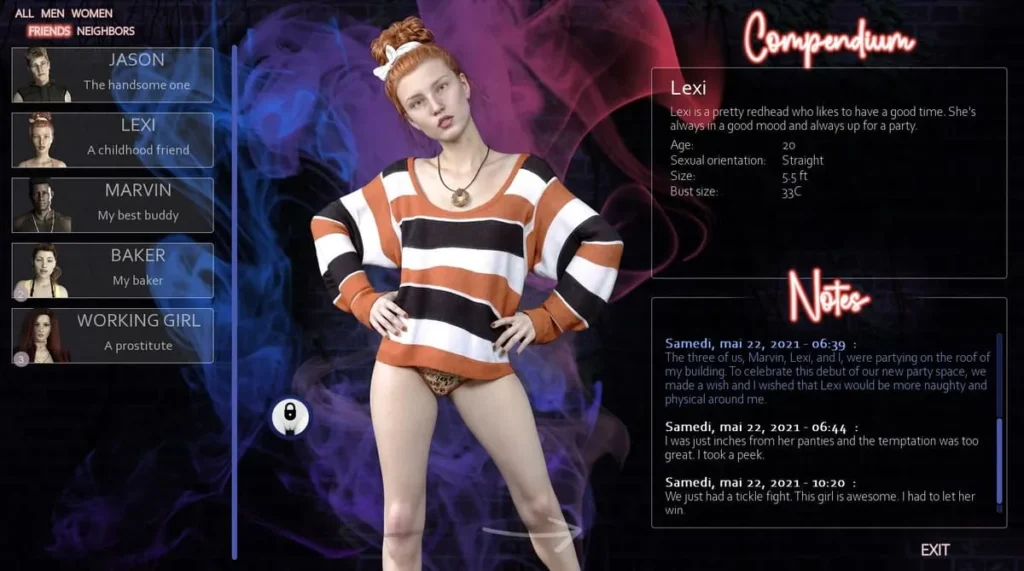
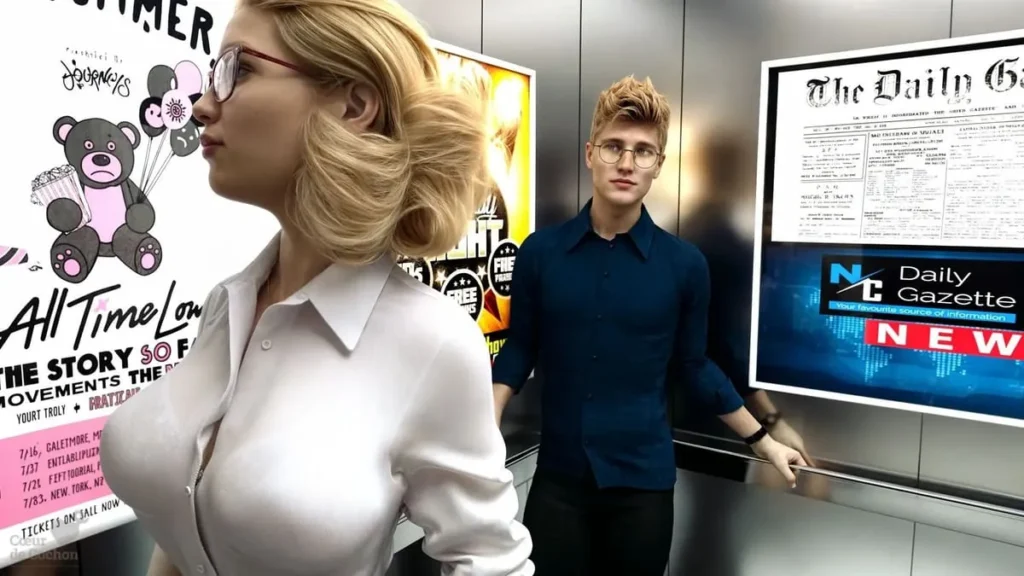
Let’s gush about the art for a moment, because it’s a legitimate star of the show. The visual novel graphics quality in Jason, Coming of Age is, without exaggeration, a benchmark for what the genre can achieve. This isn’t about raw graphical power; it’s about artistic direction and painstaking detail. From the moment you start, you’re treated to a lovingly crafted aesthetic that feels both nostalgic and timeless.
The character designs are expressive and avoid anime clichés, grounding the cast in a relatable reality. Their facial animations—a slight frown, a hesitant smile, eyes averting in shame—convey volumes beyond the written text. This is crucial for a character development visual novel, as you’re constantly reading the characters’ emotions visually. The environments are equally stunning. Whether it’s the sun-dappled chaos of a high school hallway, the cozy, intimate clutter of a bedroom, or the melancholic quiet of an empty park at dusk, every location feels lived-in and charged with mood.
I remember one specific evening scene where Jason is sitting on his porch. The lighting was a blend of the dying sunset and the warm glow from a house window. I didn’t need any text to tell me he was feeling pensive and a little lonely; the entire image communicated it perfectly. That’s the power of its visual storytelling.
This commitment to visual novel graphics quality extends to the UI and interactive elements. Menus are sleek and diegetic—your phone interface looks like a real phone, a journal entry looks handwritten. These touches prevent the “gamey” feel from breaking immersion. On platforms like Steam, where visual novels range from asset-flip simple to artistically stunning, this game consistently receives praise in user reviews for its “gorgeous art” and “incredible atmosphere.” Players directly cite the visuals as a key reason they felt so absorbed in the coming of age game storyline.
The production quality also shines in the soundscape. The soundtrack is a curated mix of evocative original pieces that swell at just the right moments, and the sound design—the chatter of a cafeteria, the crunch of leaves, the muffled silence of a snowfall—wraps the entire experience in a blanket of authenticity. This high level of polish across all sensory inputs is what transforms the game from a simple story into a truly memorable narrative-focused gaming experience. You’re not just playing a game; you’re inhabiting a slice of a life, beautifully rendered. 🌅
Putting It All Together: A Seamless Experience
When you combine these elements, you get something special. The Jason, Coming of Age game doesn’t see its narrative, gameplay, and visuals as separate components. They are inextricably linked. The beautiful visuals make you want to linger in the world, which makes you more attentive to the story. The meaningful, story-driven game mechanics make you care about the characters you see on screen. And the rich coming of age game storyline gives purpose to every artistic choice.
In terms of length and pacing, it’s a substantial experience—think of it as reading a compelling novel over several evenings, not a short story. The pacing is deliberate, allowing moments to breathe, which is essential for its emotional weight. Compared to other visual novels on Steam, it stands out for its cohesive vision and professional execution. It proves that the visual novel gameplay format, when executed with this level of care and focus on character development, can deliver a powerful, adult, and moving piece of interactive art. It’s less a “game” in the traditional sense and more a journey you guide, one heartfelt choice at a time.
Jason Coming of Age represents a significant entry in the visual novel genre, particularly noted for its exceptional production quality and graphics that have impressed the gaming community. The game delivers a narrative-focused experience that appeals to players who prioritize story and character development over traditional gameplay mechanics. However, like many visual novels, it’s not universally suited to all gaming preferences—success with this title depends heavily on your tolerance for text-heavy content and your expectations for narrative resolution. Player feedback reveals a polarized but engaged community, with many praising the visual presentation and immersive storytelling, while others express concerns about specific narrative choices and character arcs. Before investing your time and money, consider whether you enjoy reading-focused gaming experiences and whether you’re comfortable with the game’s particular approach to storytelling. For those who connect with its narrative style and visual presentation, Jason Coming of Age offers a memorable experience that many describe as transformative within the visual novel landscape.