
Project Myriam – Life and Explorations
Play Project Myriam – Life and Explorations
Project Myriam – Life and Explorations Screenshots





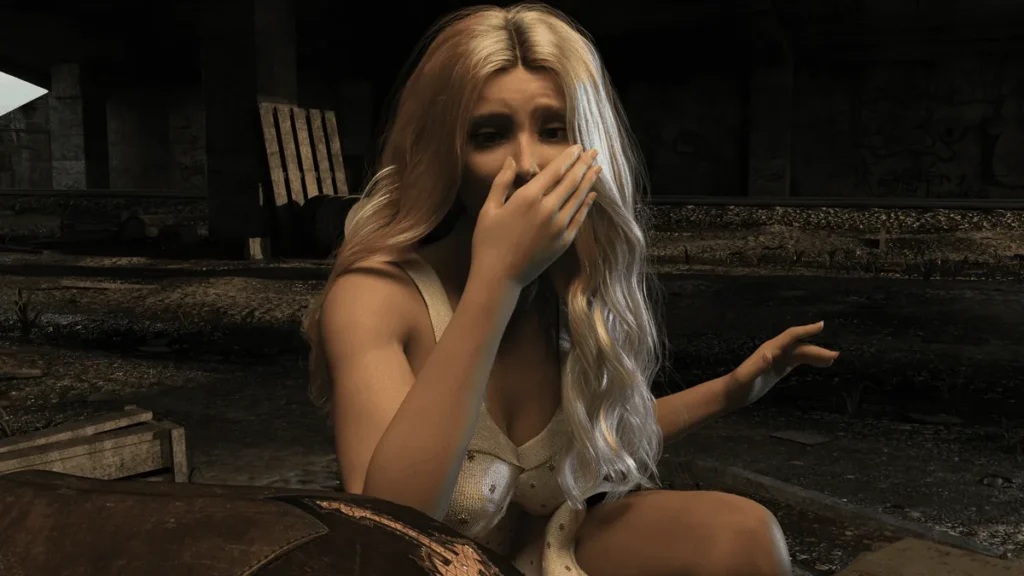
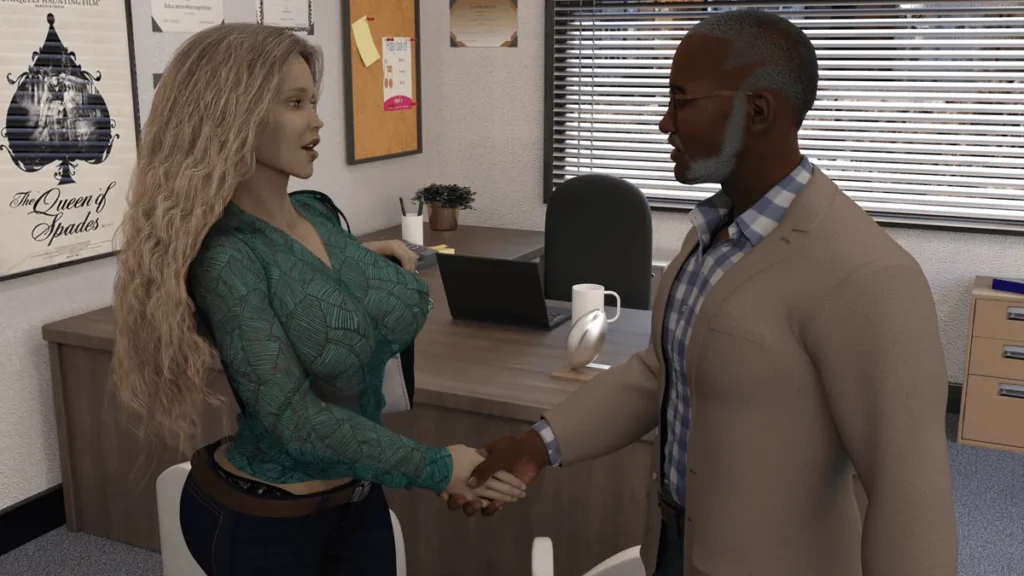

















Project Myriam – Life and Explorations review
Master narrative choices, character relationships, and gameplay mechanics in this interactive adventure
Project Myriam – Life and Explorations is an immersive interactive narrative game that puts you in control of Myriam’s destiny as she navigates life in a new city. This game stands out for its branching narrative system, where your choices directly shape character relationships, unlock unique scenes, and determine multiple story outcomes. Whether you’re exploring different dialogue options, managing character dynamics, or uncovering hidden scenes, understanding the game’s mechanics and narrative structure is essential for a rewarding experience. This comprehensive guide covers everything you need to know about gameplay mechanics, character interactions, narrative paths, and strategic decision-making to fully immerse yourself in Myriam’s transformative journey.
Understanding Project Myriam’s Core Gameplay Mechanics and Narrative Structure
Ever had that moment in a game where you reload a save for the third time, just to see what happens if you tell a character the slightly meaner thing? 😅 I have. Most games make those moments feel trivial, like you’re just picking a different color of dialogue before the story railroad continues. Project Myriam – Life and Explorations is not most games. From my first playthrough, I realized my every whisper and glance wasn’t just flavor text—it was laying the tracks for an entirely unique narrative train. This interactive narrative game lives and breathes through its systems, making you not just a passenger, but the architect of every relationship and revelation.
Understanding the Project Myriam gameplay mechanics is the key to moving from a confused observer to a master storyteller. It’s a beautiful, complex web where dialogue, relationships, and narrative branches are inextricably linked. This guide will pull back the curtain on how it all works, giving you the tools to shape Myriam’s world with intention. Let’s dive into the core of what makes this experience so uniquely captivating.
How Branching Narratives Shape Your Gameplay Experience
The heart of Project Myriam – Life and Explorations isn’t a linear plot—it’s a living, breathing narrative ecosystem. Think of the story not as a single path, but as a dense, mysterious forest. Every choice you make doesn’t just take you left or right; it determines which trees bloom, which paths become overgrown, and which hidden clearings you’ll discover. This is the essence of true branching narrative choices.
From the very first chapter, the game establishes that your decisions carry weight. I remember a seemingly innocuous early choice: whether to be assertive or apologetic when meeting a key character. I chose assertiveness, thinking it just set a tone. Three chapters later, that same character challenged me in a completely different way, referencing my “confident first impression” as a reason to trust my judgment in a crisis. The game has a long memory. Your early dialogue choices consequences echo throughout the entire journey, opening some narrative doors while quietly sealing others shut.
This creates a phenomenal sense of agency. You’re not choosing from a menu of good, neutral, and evil endings. You’re crafting a nuanced personality for Myriam and, by extension, defining her world. Will she be cautious and reserved, building trust slowly? Or will she be impulsive and passionate, creating intense bonds and immediate conflicts? The branching narrative choices support all these versions of her, making each playthrough feel personally authored.
Pro Tip: Don’t play with a “perfect run” in mind on your first attempt. The magic of this game is in the unexpected consequences. Embrace your instincts and see where your Myriam ends up. You can always explore other paths later—that’s where the real fun begins! 🔍
Character Relationship Systems and Dialogue Choices
If the branching narrative is the forest, then the character relationship system is the delicate network of roots connecting every tree. Every major character has a dynamic, evolving rapport with Myriam that is tracked invisibly but influentially. This isn’t a simple “like/dislike” meter. It’s a multifaceted reflection of how they perceive her: as a friend, a rival, a leader, a follower, a confidant, or a mystery.
Your primary tool for navigating this system is, of course, dialogue. But here’s the crucial part: dialogue options are rarely about what is said, but how and why it’s said. You might have three options that all communicate the same factual information, but each one frames it with a different emotional subtext—defensive, empathetic, or dominant. The character relationship system reacts to this subtext.
For example, a character who values independence will warm to assertive, self-assured choices but may withdraw if you make choices that seem overly solicitous or needy. Conversely, a character seeking guidance might find strength in Myriam’s decisiveness. I once replayed a key scene with Alex, choosing supportive dialogue instead of challenging banter. The immediate scene played out more peacefully, but later, Alex didn’t come to me for help with a personal problem, commenting that I “seemed like I had enough on my plate.” The game had interpreted my support as passivity, changing the dynamic of our entire relationship.
The themes of influence and dynamic are central here. Many choices allow you to either cede ground or hold your position, shaping power balances in relationships. These dynamics directly feed back into the branching narrative choices, determining who supports you in critical moments, who shares their secrets, and who becomes a central figure in your version of the story.
To see how this works in practice, let’s look at a specific example from an early interaction:
| Dialogue Choice & Context | Immediate Reaction | Relationship Impact | Potential Scene Unlock Path |
|---|---|---|---|
| “I understand your caution, but we need to move forward together.” (Collaborative) | Character nods, appreciates the unity. | +Trust, +Respect. Strengthens alliance dynamic. | Unlocks a later planning scene where strategies are discussed openly. |
| “Your hesitation is wasting time. I’m taking the lead.” (Assertive) | Character is taken aback, but impressed. | +Respect, -Familiarity. Establishes a clear leader-follower dynamic. | May unlock a private scene where the character tests your resolve. |
| “Fine, do what you want. I’ll handle my part alone.” (Dismissive) | Character is offended and withdraws. | -Trust, -Familiarity. Creates a rift and potential rivalry. | Locks out the cooperative scene; may trigger a confrontational scene later. |
Scene Unlocks and Replayability Features
This is where all the systems converge into tangible rewards: discovering new content. How to unlock scenes in Project Myriam is the question on every curious player’s mind, and the answer is beautifully simple yet complex: live your choices. Scenes aren’t hidden behind obscure collectibles; they are the direct, logical outcomes of the relationships you’ve built and the narrative paths you’ve chosen.
The scene unlock guide principle is based on triggers. These triggers are specific conditions, usually a combination of:
* A key dialogue choice consequence from earlier.
* A character’s relationship score reaching a certain threshold (e.g., “Trust with Sarah > 70”).
* A specific narrative flag being set (e.g., “Chose to investigate the old library in Chapter 2”).
When these conditions align, the game seamlessly introduces new scenes—private conversations, unique character moments, flashbacks, or even entirely new story branches. I was stunned on my second playthrough when, after cultivating a much more open and vulnerable relationship with a particular character, an entire emotional subplot about their past unfolded—a subplot that was completely absent from my first, more guarded run.
This design is the engine of the game’s incredible replayability features. You are literally unable to see everything in one go. A single playthrough of Project Myriam – Life and Explorations will show you a story, but it takes multiple journeys to understand the story’s full scope. Each replay lets you experiment with the Project Myriam gameplay mechanics intentionally. Want to see what happens if you side with a different faction from the start? Curious about the romance path with a character you previously befriended? The game not only allows this but encourages it.
The game’s menu often features a “Scene Library” that fills in as you discover content, serving as a tempting visual tracker of how much you have yet to see. It’s a powerful motivator to go back and make different branching narrative choices, just to watch the story reshape itself around your new decisions.
Personal Insight: My most rewarding moment was unlocking a serene, quiet scene of two characters reconciling—a scene that only triggers if you’ve made specific peacemaking choices for both of them independently. It felt like a secret gift for careful, empathetic gameplay. 🎁
Frequently Asked Questions
How dramatic are the story differences based on early choices?
Extremely dramatic. Early choices set foundational character dynamics and plot flags. By the mid-game, two different playthroughs can feature different supporting characters taking center stage, entirely different conflicts arising, and unique personal subplots becoming available. The core premise remains, but the journey diverges significantly.
Is there a way to track my relationship status with characters in-game?
The game uses a subtle, diegetic approach. There are no visible meters. Instead, you must pay attention to character dialogue, their body language, the options they make available to you, and the scenes they invite you into. A character who trusts you will share more personal information and seek you out. The journal entries can also hint at the evolving dynamics through Myriam’s own reflections.
I missed a scene I wanted to see. Do I have to replay the whole game?
While you can certainly replay from the beginning for a completely fresh experience, most chapters offer key decision points. You can often load a save from the start of a chapter and make different choices to steer toward the scene you want to unlock. Your scene unlock guide is your own curiosity and willingness to experiment with different dialogue approaches!
How do I know if a dialogue choice is “important”?
The game expertly blurs this line, which is its genius. Sometimes a choice about what to have for dinner can reveal character traits that influence later trust. While obviously pivotal story moments are clear, train yourself to think of every interaction as part of building your unique story. If you’re aiming for a specific outcome with a character, consistently choose options that align with the personality they respect.
Mastering Project Myriam – Life and Explorations is about understanding that every mechanic is in conversation with another. The branching narrative choices feed the character relationship system, which dictates the dialogue choices consequences, which ultimately determine your personal scene unlock guide. It’s a magnificent, interactive narrative puzzle where you hold all the pieces. So, take a deep breath, trust your instincts, and step into Myriam’s shoes. Your first story is waiting to be written, and your second, and your third… The exploration is truly limitless.
Project Myriam – Life and Explorations delivers a compelling interactive experience where your decisions genuinely matter. By understanding the branching narrative system, mastering dialogue choices, and recognizing how character relationships evolve, you can craft a unique story that reflects your preferred playstyle. Whether you’re pursuing specific character relationships, unlocking hidden scenes, or exploring alternative narrative paths, the game rewards careful attention to consequences and strategic decision-making. The multiple outcomes and replayability features ensure that each playthrough offers fresh discoveries and new story developments. Dive into Myriam’s world with confidence, experiment with different choices, and discover the countless ways her story can unfold based on your decisions.