Short Sad Stories
Play Short Sad Stories
Short Sad Stories Screenshots


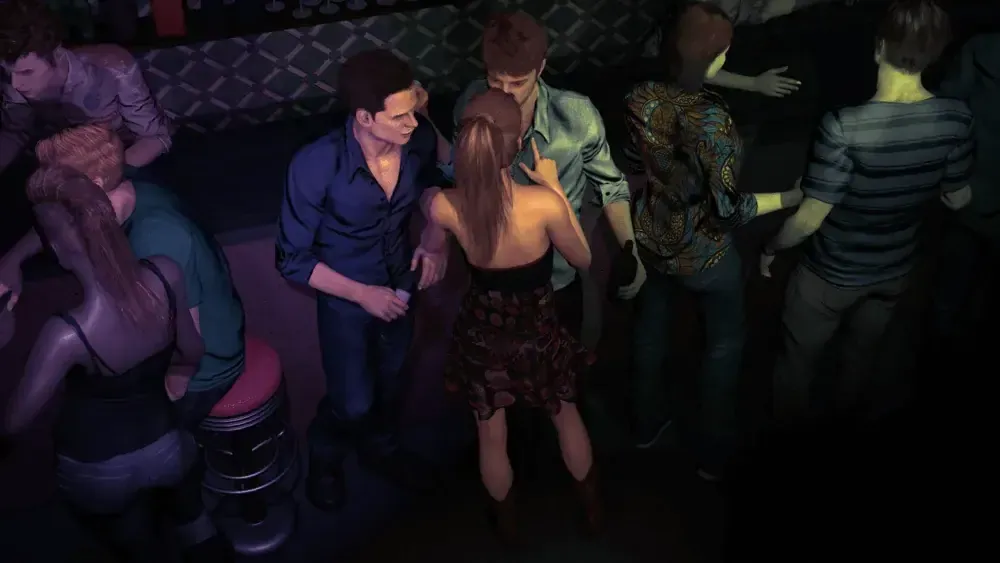
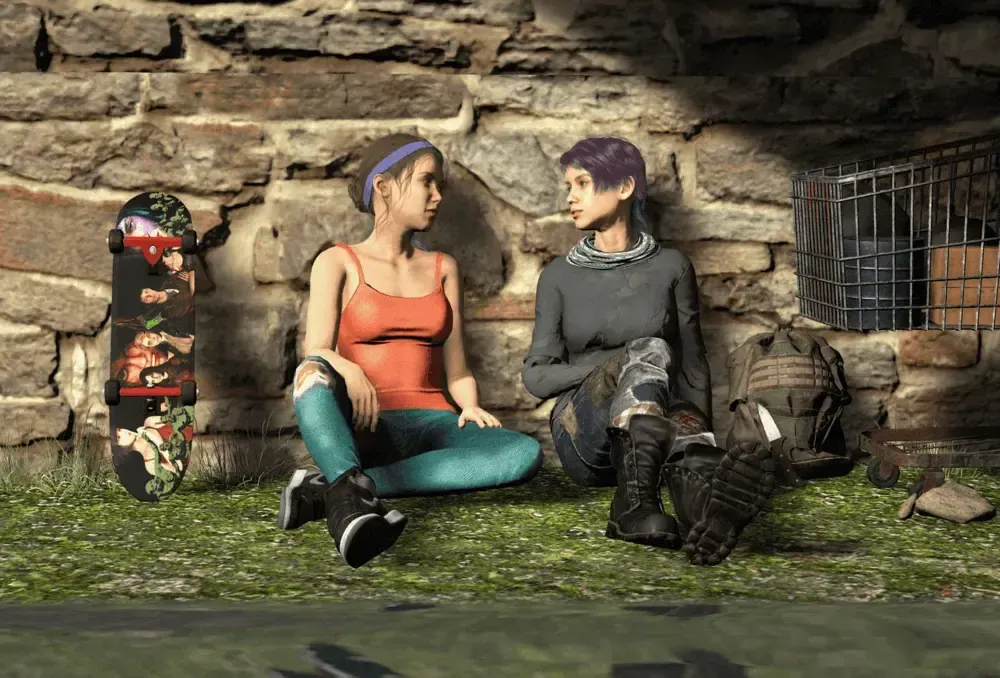
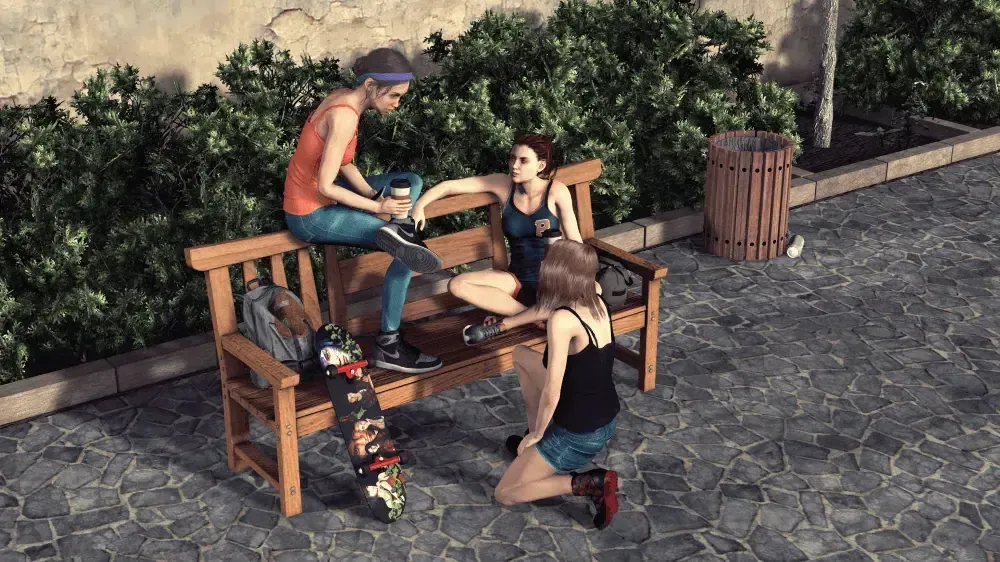
Short Sad Stories review
Dive into Heartbreaking Narratives and Player Choices in Pent Panda’s Game
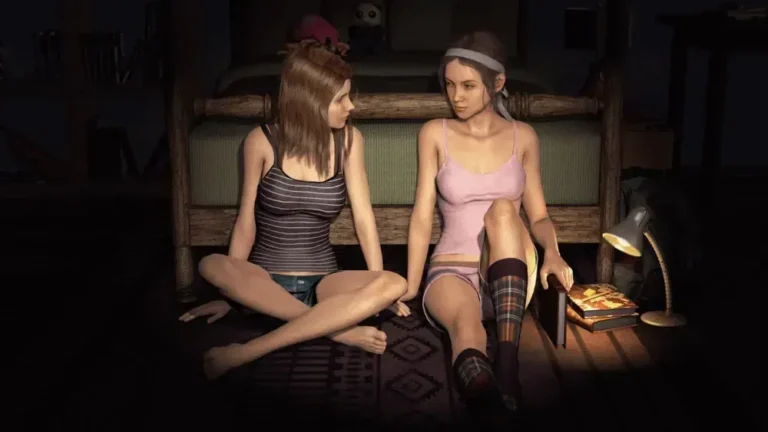
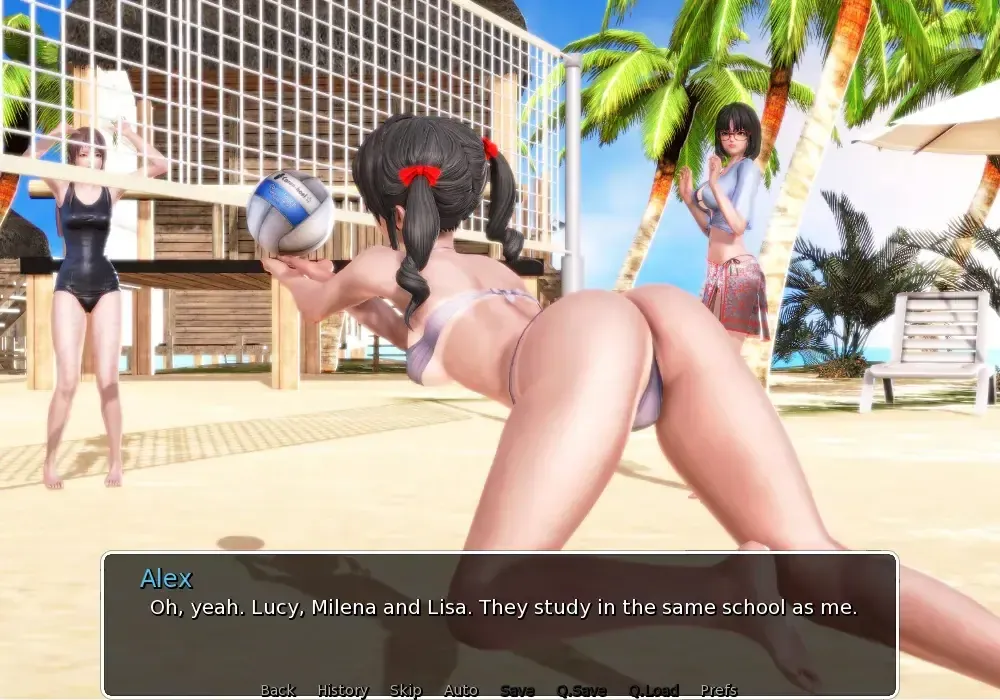
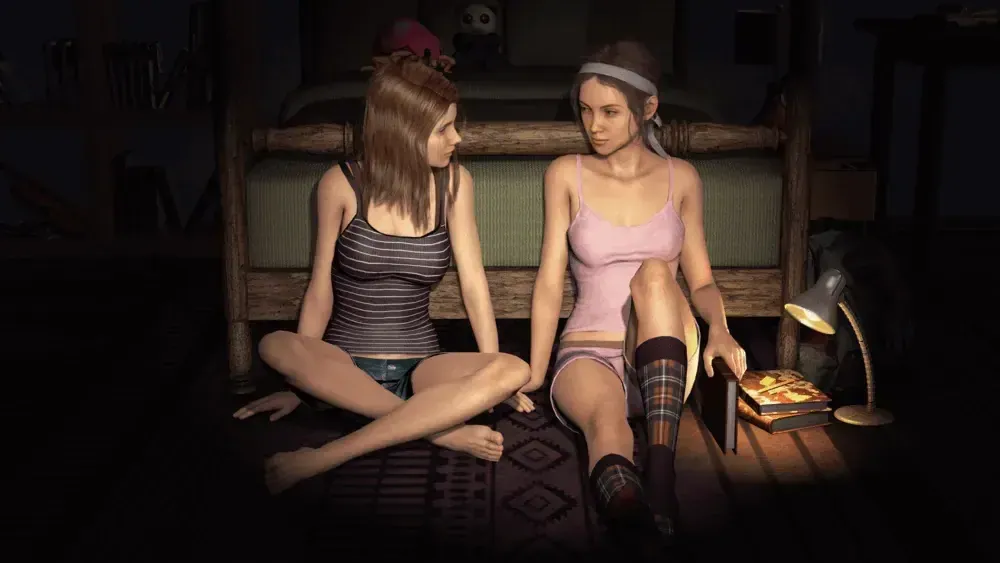
Imagine stepping into a world where every choice tugs at your heartstrings, blending raw emotion with intimate moments in Short Sad Stories. This captivating visual novel by Pent Panda follows Alice, a dreamy girl navigating the blurred lines between reality and fantasy, alongside Zach and friends facing dilemmas, complex romances, and unexpected twists. As a player, your decisions shape branching paths filled with drama, hope, and steamy encounters. I’ve replayed it multiple times, each run uncovering deeper layers of loss, regret, and connection. Ready to explore why this interactive sad story game lingers long after the credits roll?
What Makes Short Sad Stories Gameplay So Addictive?
I still remember my first real moment with Short Sad Stories gameplay. I was guiding Alice through her daydreams, a quiet escape from her mundane reality. The visual novel choices seemed simple at first—be encouraging, be dismissive. But then came a decision about indulging a specific fantasy. I clicked, curious. What unfolded wasn’t just text; it was a steamy romance scene that felt earned, intimate, and surprisingly poignant. It wasn’t gratuitous; it was a window into her deepest yearning for connection. That’s when I realized this wasn’t a typical game. This was about player agency storytelling in its rawest form, where every choice, especially the intimate ones, carves a unique path through heartbreak.
This game masterfully proves that true power in a narrative doesn’t come from changing the ending, but from shaping the journey toward it. Let’s dive into what makes its mechanics so compellingly addictive. 😢🎮
How Player Choices Shape Branching Storylines
At the heart of Short Sad Stories is a simple, devastating truth: some outcomes are inevitable. Sadness is a destination on the map. But the branching storylines Short Sad Stories offers are the countless roads you can take to get there. Your agency isn’t about “winning” a happy ending; it’s about emotional comprehension.
Think of it like curating a museum of a relationship’s final days. You discover Zach, returning home empty-handed after a failed trip, his hope shattered. Do you have him quietly put the groceries away, or slam a cabinet door in frustration? Both choices lead to the same quiet apartment later, but the emotional residue is completely different. This is the core of its visual novel choices. They don’t alter fate; they define character, deepen relationships, and unlock specific, poignant memories or adult scenes that color the entire narrative.
One path might reveal Olivia’s shadowy friendships, showing her seeking solace in others as her primary connection falters. Another might keep that layer hidden, making her withdrawal more mysterious and personal. Each playthrough isn’t about seeing a “new ending,” but about assembling a new understanding of why the ending had to hurt the way it did. The branching storylines Short Sad Stories crafts are less about plot forks and more about perspective shifts.
Exploring Emotional Mechanics and Intimate Interactions
The emotional game mechanics here are brilliantly tactile. This isn’t just reading; it’s interacting with the artifacts of feeling. You don’t just learn about loss—you perform the act of curating items for a “letting go” box, physically selecting which memories are too painful to keep. You don’t just hear about regret; you trigger “memory replays,” experiencing key moments again with the painful knowledge of what followed, which completely changes their context. 😔
And then there are the Short Sad Stories adult scenes. To dismiss them as mere titillation is to miss their point entirely. They are powerful emotional game mechanics. A scene of passionate connection can be undercut by a character’s distant thoughts, revealing it as an act of desperation rather than love. A tentative, intimate moment might be the last genuine flash of warmth before a cold drift apart. These interactions—whether passionate, tender, or awkward—are crucial narrative data. They show what characters are truly seeking: validation, escape, control, or a fleeting echo of past love.
The game handles a spectrum of intimacy, including moments of vulnerability, passionate encounters, and same-sex connections, always framing them through the lens of character motivation and emotional truth. They are vital chapters in these interactive sad story game experiences.
To see how these mechanics serve different types of heartbreak, here’s a breakdown of the core story arcs:
| Theme | Core Mechanic | Emotional Payoff |
|---|---|---|
| Loss & Letting Go | Curating a memory box, choosing physical items to discard or keep. | A cathartic, active participation in grief, making abstract pain feel concrete and manageable. |
| Regret & Missed Chances | Triggering “memory replays” of pivotal moments with new narrative context. | The crushing weight of hindsight, realizing how small choices led to profound disconnection. |
| Complex Romances | Intimate dialogue choices and scenes that define the relationship’s texture (passionate, lonely, tender). | A deep, nuanced understanding of why a relationship both thrived and failed, beyond simple “good vs. bad.” |
| Isolation & Longing | Exploring character-specific fantasy sequences or daydreams. | Insight into a character’s innermost desires and the stark contrast between their inner world and reality. |
Why Multiple Playthroughs Reveal Hidden Depths
This is where Short Sad Stories gameplay truly shines and becomes addictive. The first playthrough is your raw, emotional reaction. You live one truth. The second playthrough is where you become an archaeologist of emotion. Knowing the ending, you start to see the cracks forming much earlier. That offhand comment from a partner wasn’t just moody; it was a cry for help you missed. That seemingly spontaneous adult scene was actually a last-ditch effort to feel something.
Player agency storytelling reaches its peak here. You have the power to explore every “what if.” What if I was more patient with Zach’s silence? What if I encouraged Alice’s fantasies differently? Each path layers new context onto the central tragedy. You might unlock a completely different intimate scene that reveals a character’s hidden vulnerability, or a narrative branch that exposes a secret fear. This design creates a profound paradox: by showing you the inevitability of the pain, it makes your choices within that framework feel more significant, not less. You’re not choosing to avoid the storm; you’re choosing how to dance in the rain. 🌧️✨
This redefines what an adult visual novel can be. It’s not about conquest or collection; it’s about empathy and exploration. The interactive sad story game format becomes a tool for introspection.
My top advice? Don’t try to “fix” anyone on your first run. Just be present. Let the story happen to you.
To help you uncover the rich depths of these branching storylines Short Sad Stories is famous for, here are my personal tips for maximizing your experience:
- Embrace Your First Instinct 🎯: On your initial playthrough, avoid save-scumming. Go with your gut reactions. The authenticity of your first emotional journey is irreplaceable and will make subsequent plays more illuminating.
- Role-Play Consistently 👤: Pick a personality for your input—always kind, always cynical, always pragmatic—and stick to it for a whole playthrough. This creates a coherent character arc and unlocks specific, consistent narrative branches.
- Investigate Everything 🔍: Click on environmental objects, re-read journal entries, and pay attention to background details. Much of the story’s depth and foreshadowing is hidden in optional, easy-to-miss interactions.
- Pursue Different Relationships 💞: If a character draws you in, focus on them. Make choices that deepen that specific bond, whether platonic or romantic. The most revealing Short Sad Stories adult scenes and conversations are often locked behind high relationship thresholds.
- Take Breaks Between Journeys ⏸️: This is emotionally dense material. Let one story settle before starting another. You’ll return with fresher eyes and a deeper capacity to notice the subtle differences in the visual novel choices you make.
The true genius of Short Sad Stories is that it makes you an active participant in melancholy, transforming you from a passive reader into a co-author of heartbreak. That’s a powerful, unforgettable kind of fun.
Short Sad Stories isn’t just a game—it’s an emotional rollercoaster that sticks with you, from Alice’s tangled fantasies to the bittersweet resolutions shaped by your choices. Pent Panda masterfully weaves drama, intimacy, and hope into every branch, making each playthrough a personal journey of empathy and discovery. Whether you’re drawn to the heartfelt narratives or the steamy moments, this visual novel delivers unforgettable depth. Grab the Final + DLC version today, dive in, and let it change how you see interactive storytelling. What’s your first choice going to be?