Summer’s Gone
Play Summer’s Gone
Summer’s Gone Screenshots









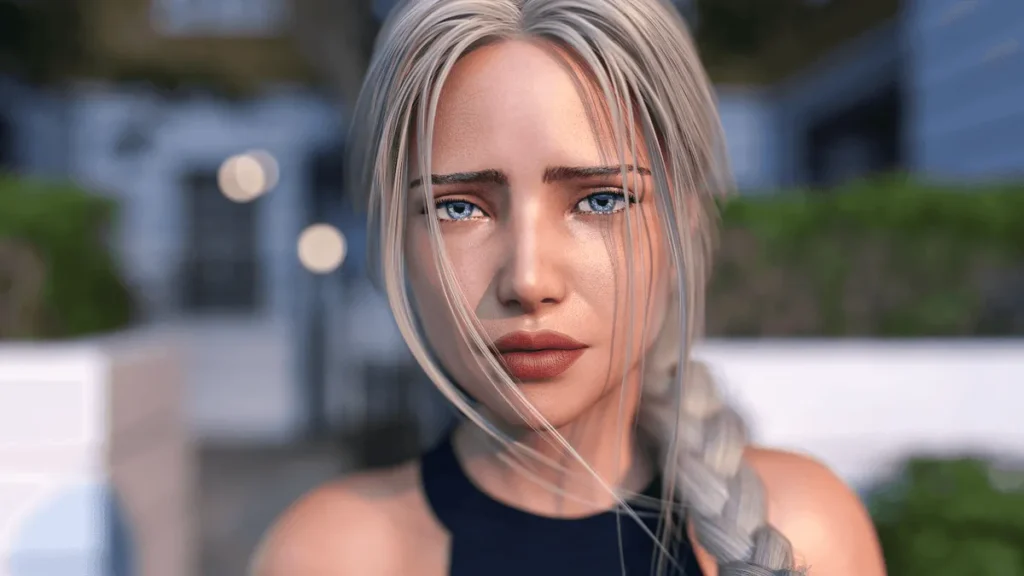

Summer’s Gone review
Discover the story of hope, love, and personal growth in this standout interactive experience
Imagine diving into a world where summer’s end sparks not just nostalgia, but a profound journey of healing and connection. Summer’s Gone Season 1 isn’t your average visual novel—it’s a high-quality interactive tale centered on a young man battling depression, isolation, and the shadows of his past. With stunning visuals, deeply crafted characters, and themes of mental health, ambition, and love, this game hooked me from the first scene. I remember my late-night sessions, choices shaping bonds that felt real and raw. If you’re craving a story-driven erotic visual novel that prioritizes emotion over explicitness, Summer’s Gone delivers hope, heartbreak, and unexpected warmth. Let’s explore why it’s a must-play.
What Makes Summer’s Gone Season 1 Stand Out?
I remember the first time I loaded up Summer’s Gone Season 1. It was during one of those stretches where the world felt muted, and getting through the day was its own kind of victory. 🍂 I wasn’t looking for a game; I was looking for a reflection, a story that didn’t shy away from the heavy stuff. What I found was an interactive visual novel that did more than entertain—it quietly understood. It wasn’t about explosive action or simple escapism, but about the slow, often painful, process of putting pieces back together. At its heart, Summer’s Gone is a powerful story about healing and hope, and it’s this profound focus that makes Season 1 such a standout experience in a crowded genre.
Why This Visual Novel Focuses on Healing and Hope
Most stories about trauma start after the event. Summer’s Gone is unique because it immerses you directly in the aftermath. You step into the worn-out sneakers of the main character, a former basketball star whose light has been violently dimmed. The game doesn’t just tell you he’s struggling; it makes you feel the weight of his silence, the effort in every social interaction, and the haunting shadow of a past loss referred to only as “Summer.” This isn’t a side plot—it’s the entire foundation.
The mental health visual novel aspects are handled with a surprising delicacy. The narrative explores the intricate web of emotions that trap someone in their own mind:
- Depression & Shame: The protagonist’s internal monologue is a battlefield. You feel the shame of falling from grace, the guilt of surviving, and the oppressive fog of depression that makes even simple tasks feel monumental. 🕯️
- Loneliness & Ambition: There’s a crushing isolation here, even when surrounded by people. Yet, intertwined with that is a flicker of ambition—the college tryouts at ZPR University represent a daunting path back to a life that once felt normal.
- Love & Connection: This is where the magic happens. The potential for connection with the incredible cast of Summer’s Gone characters becomes the catalyst for change. It’s not a quick fix, but a slow-burning promise that things can, and might, get better.
This focus transforms the game from a simple dating sim into a genuine overcoming depression game. Your choices aren’t about “winning,” but about choosing to engage with the world again, however hesitantly.
How Choices Shape Your Journey Through Isolation
What truly defines this interactive visual novel is the agency it gives you over the protagonist’s recovery. This isn’t a movie you watch; it’s a path you walk. Every dialogue option, every decision to open up or shut down, directly shapes his relationships and his own self-perception.
🎯 Practical Tip: In Summer’s Gone Season 1, there are no “right” choices in the traditional sense. Instead, think about what kind of person you want him to become. Do you want him to be cautious and withdrawn, or do you gently push him toward vulnerability? The characters remember your tone, your kindness, and your rebuffs.
I recall a pivotal moment early on with Bella, a character whose fierce exterior hides her own complexities. 🐺 She challenged the protagonist, and I was given a choice: respond with defensive sarcasm or with weary honesty. Choosing honesty didn’t unlock a romance flag instantly; instead, it led to a subtle shift in her expression, a momentary drop of her guard. It felt like a genuine, hard-won inch of progress. These micro-interactions are the core of the game’s healing and hope narrative. You’re not just picking a love interest; you’re guiding someone’s emotional reconstruction, one fragile conversation at a time.
The Balance of Erotic Elements and Deep Storytelling
Given the label erotic visual novel story, some might expect a certain type of experience. Summer’s Gone Season 1 boldly defies that expectation. It masterfully understands that true intimacy and eroticism are born from tension, anticipation, and deep emotional connection—not from explicit visuals.
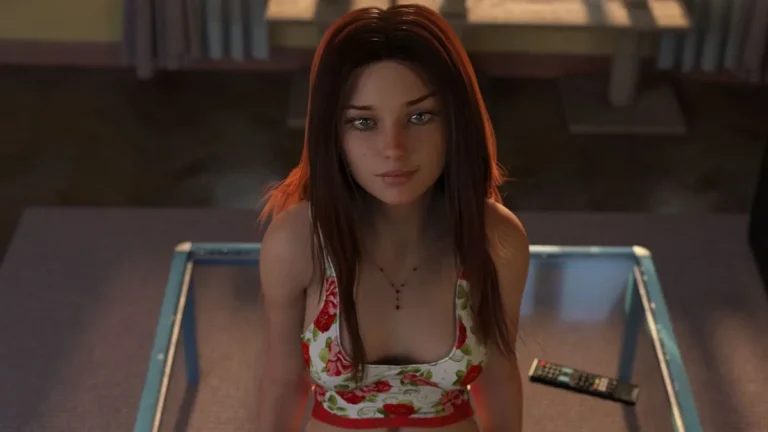
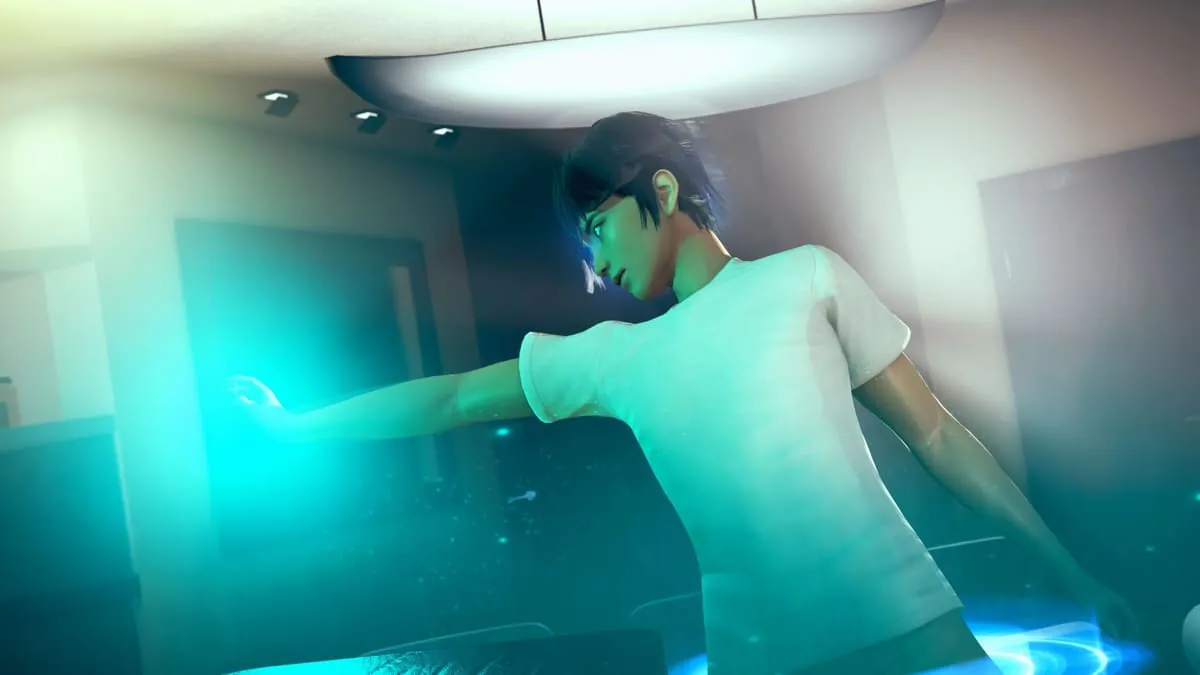
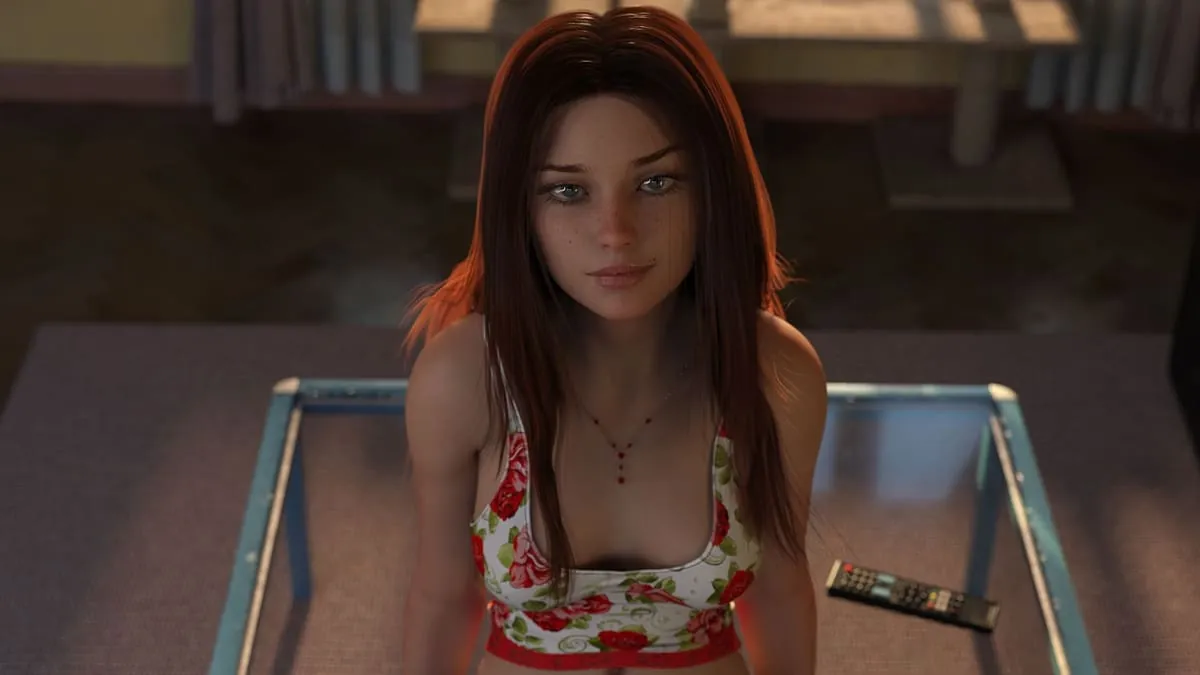
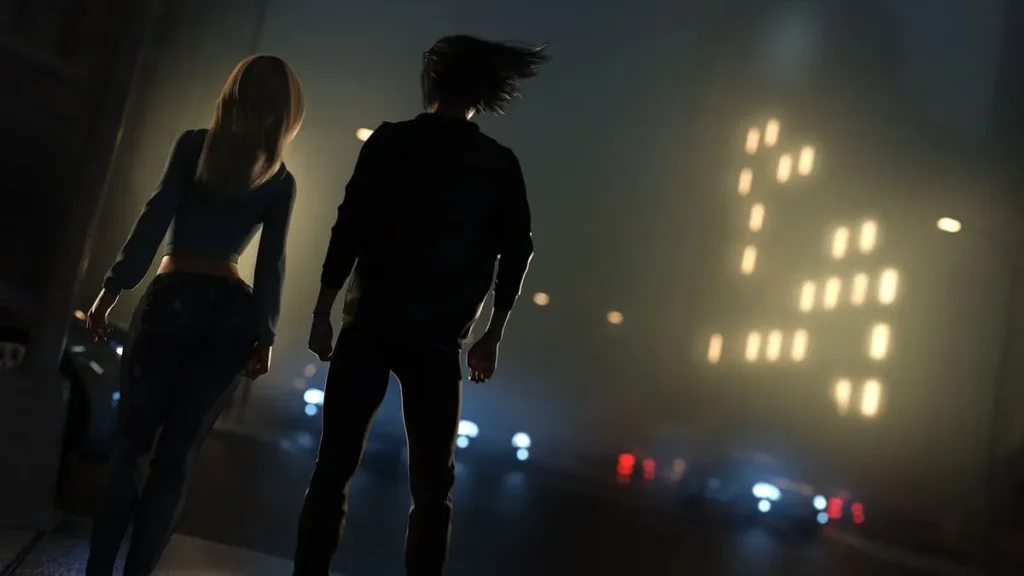
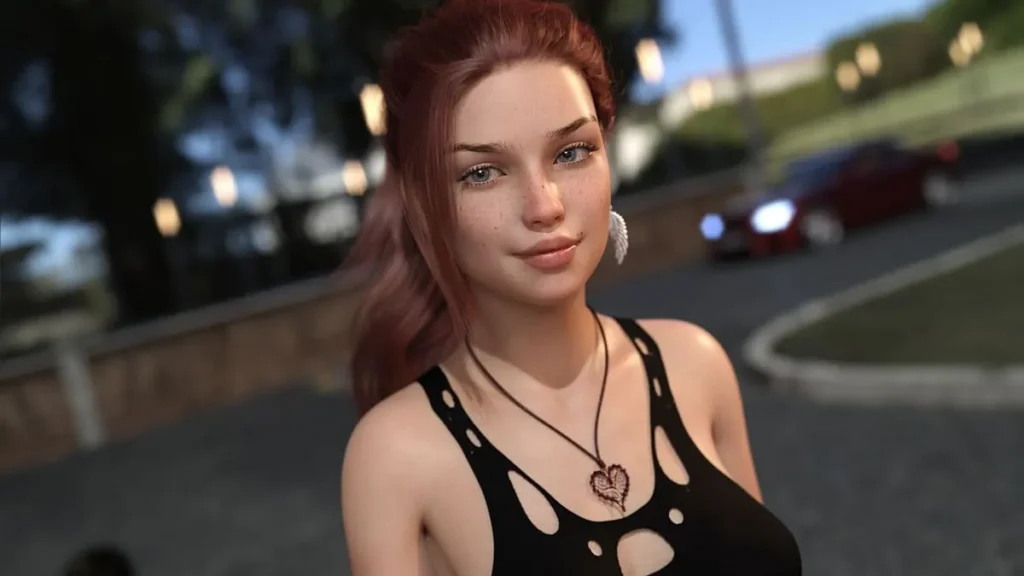
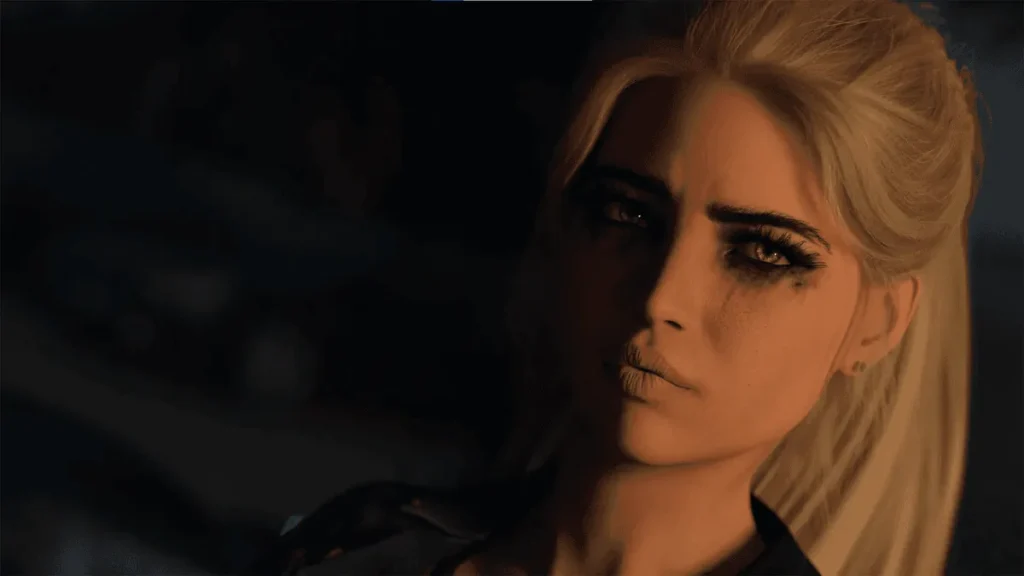
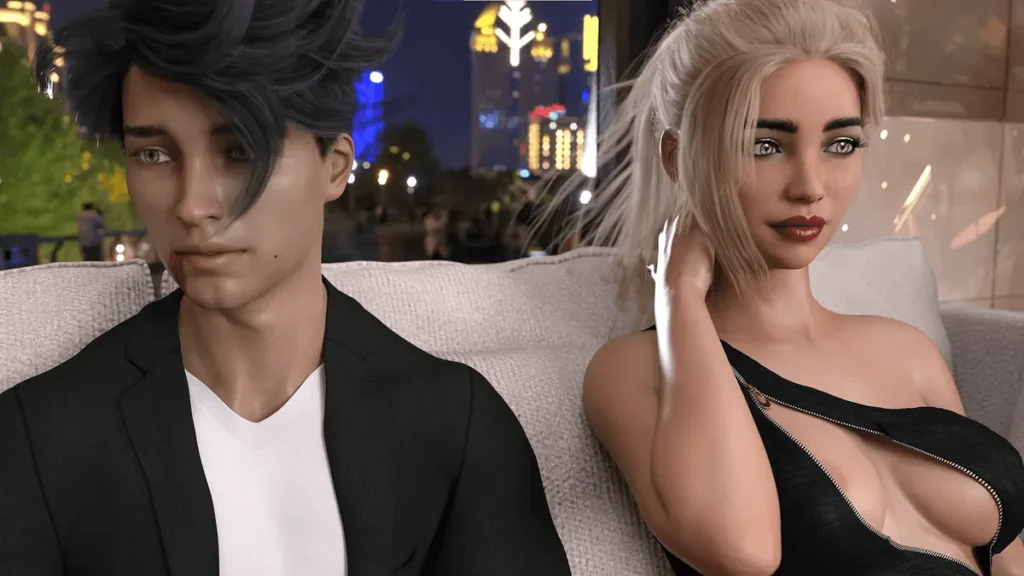
The game’s “eroticism” is primarily woven through its stunning visuals and evocative writing. The character art is breathtaking, with a cinematic focus on lighting, framing, and subtle facial expressions that convey volumes. A lingering glance, a hesitant touch, the play of shadow across a character’s face—these are the tools used to build a palpable, aching tension. The story prioritizes the “why” and the emotional charge behind an attraction over the “what.”
To understand the narrative pillars of this first season, consider this breakdown:
| Narrative Pillar | How It Manifests in Season 1 | Impact on the Player |
|---|---|---|
| The Central Trauma | The unexplained loss of “Summer,” leading to the protagonist’s social withdrawal and depression. | Creates a compelling mystery and a deep sense of empathy for his pain. |
| The Path Forward | ZPR University basketball tryouts and forced social re-engagement. | Provides a structured goal and a reason to interact with the world, driving the plot. |
| The Healing Mechanism | Relationships with well-developed characters like Nami, Bella, Sonya, and others. | Each connection offers a different type of solace, challenge, or understanding, mirroring real-life healing. |
| The Artistic Eroticism | Focus on visual beauty, emotional tension, and written suggestion over explicit content. | Builds unparalleled anticipation and makes every moment of connection feel earned and significant. |
This focus is why the story trumps everything. The developers have built a world and characters so rich that the anticipation for deeper connections in future seasons feels like a natural, aching extension of the story, not the sole purpose of it. Summer’s Gone Season 1 is about laying the emotional groundwork, making you care so deeply that any future intimacy will resonate with profound meaning.
This is why Summer’s Gone shatters comfort zones. It doesn’t let you be a passive observer of pain or pleasure. It asks you to sit in the uncomfortable quiet, to make choices that feel real, and to invest in the slow, beautiful possibility of someone healing. It’s a testament to the power of stories, proving that an interactive visual novel can be one of the most heartfelt mediums for exploring the themes of healing and hope.
“I started playing Summer’s Gone expecting one thing and found another—a mirror. It didn’t give me answers, but it made me feel seen in my own quiet struggles. That’s a rare kind of magic.” – A player’s reflection.
Summer’s Gone Season 1 masterfully weaves healing, hope, and love into an interactive visual novel that lingers long after the credits. From its breathtaking visuals and nuanced characters to choices that challenge your comfort zone, it’s a journey of growth amid erotic undertones that enhance rather than overshadow the story. My own playthrough reminded me that facing inner demons can lead to genuine connections. If you’re ready to explore mental health, ambition, and heartfelt bonds, dive in today—your next favorite tale awaits. Grab it, make those pivotal decisions, and let the summer’s end ignite your own path forward.