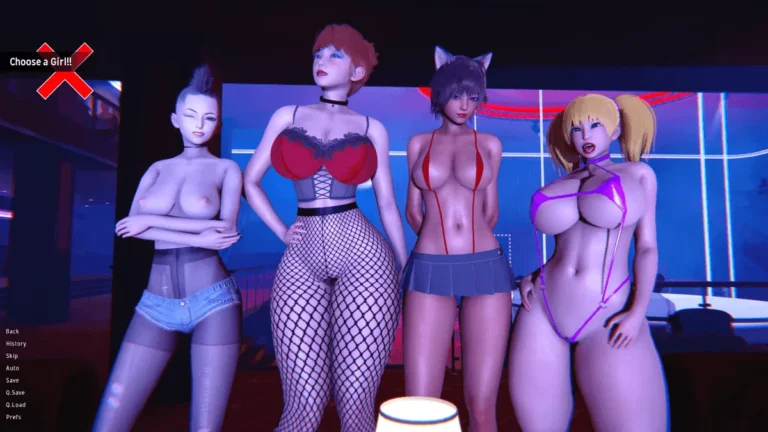
The Sin Within
Play The Sin Within
The Sin Within Screenshots
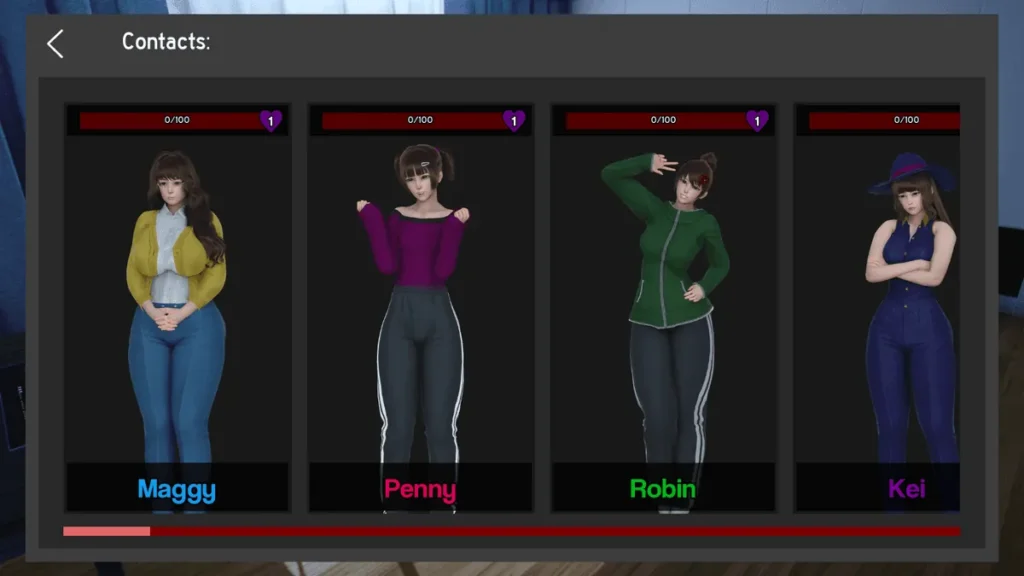
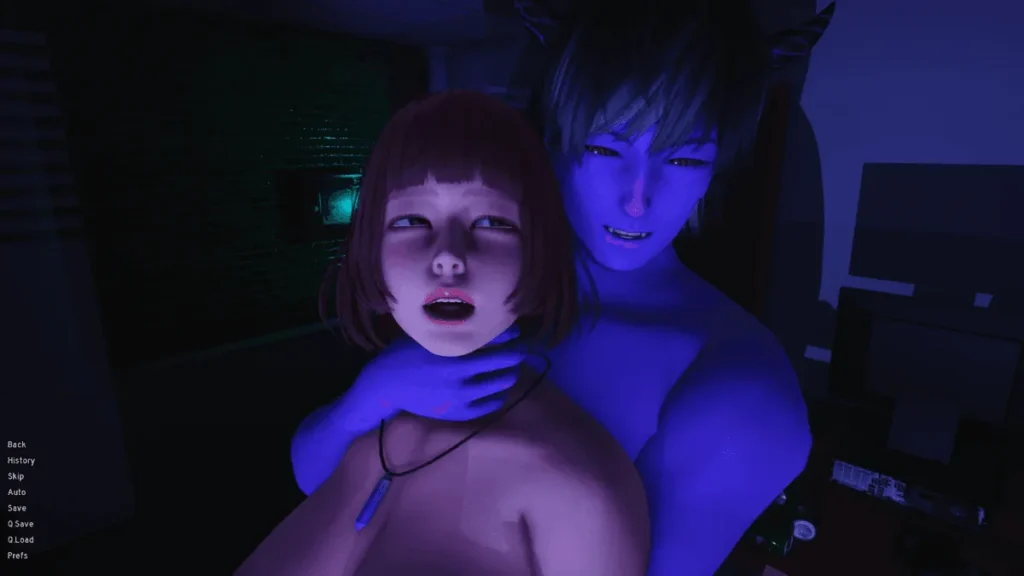
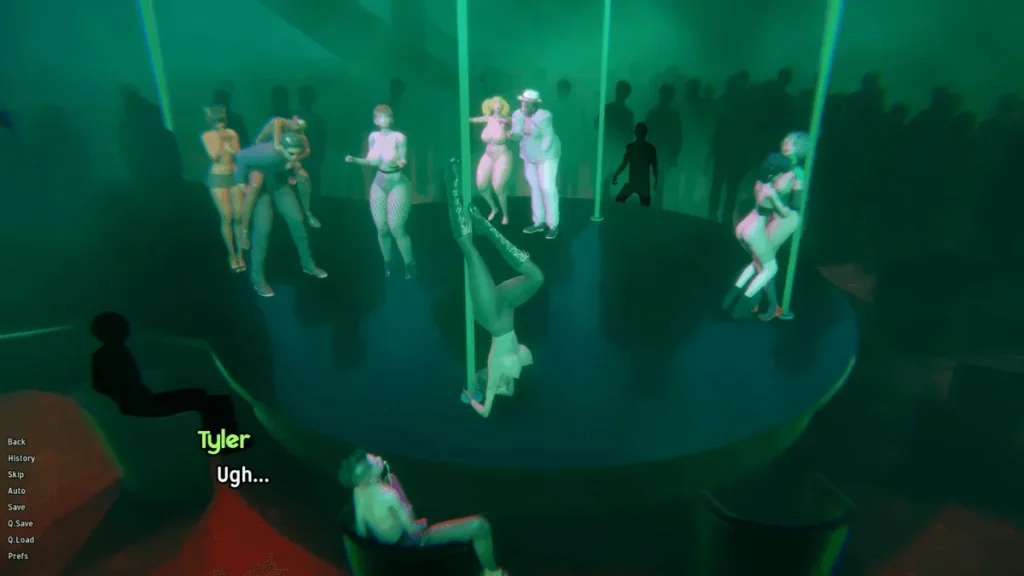
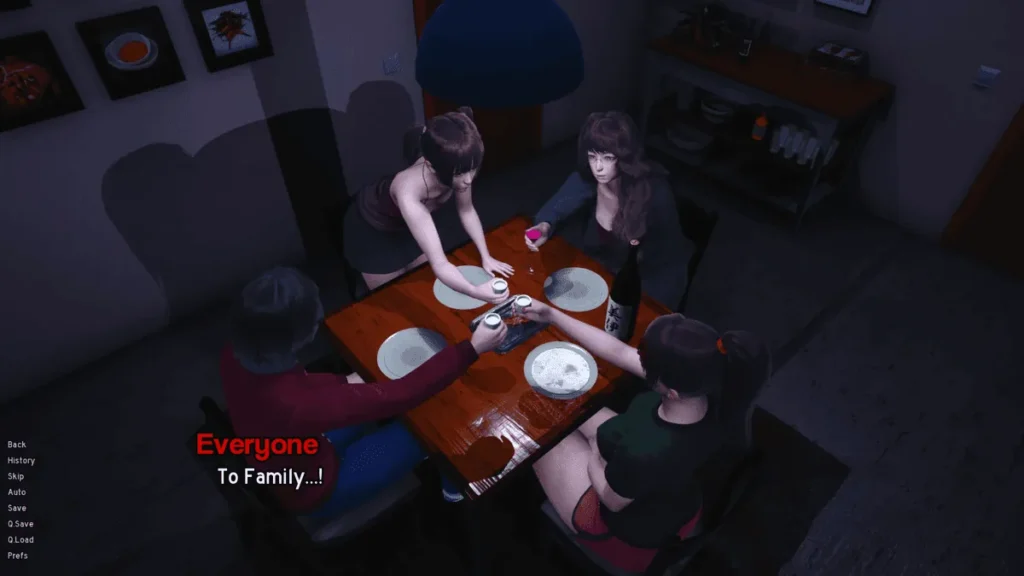
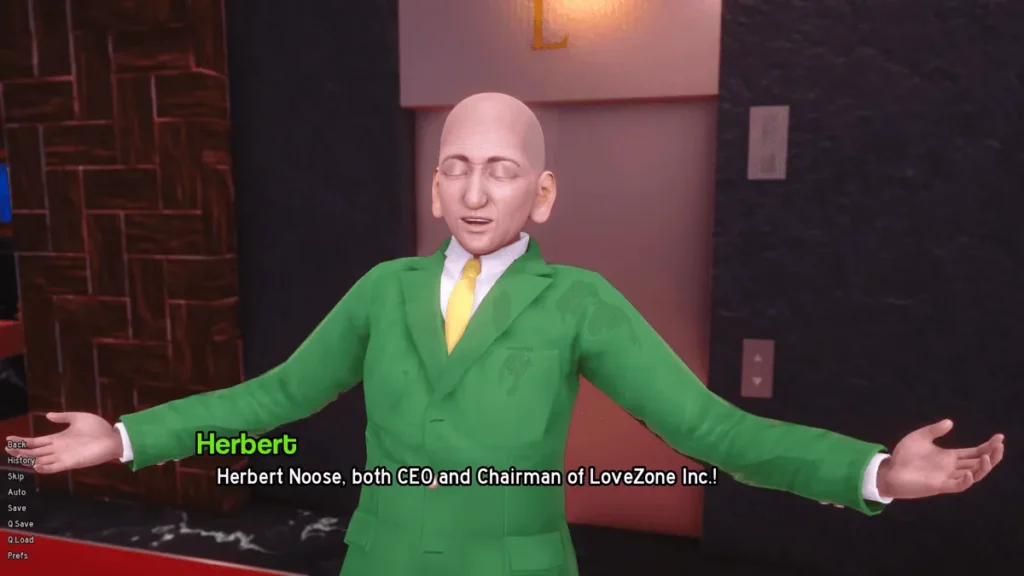
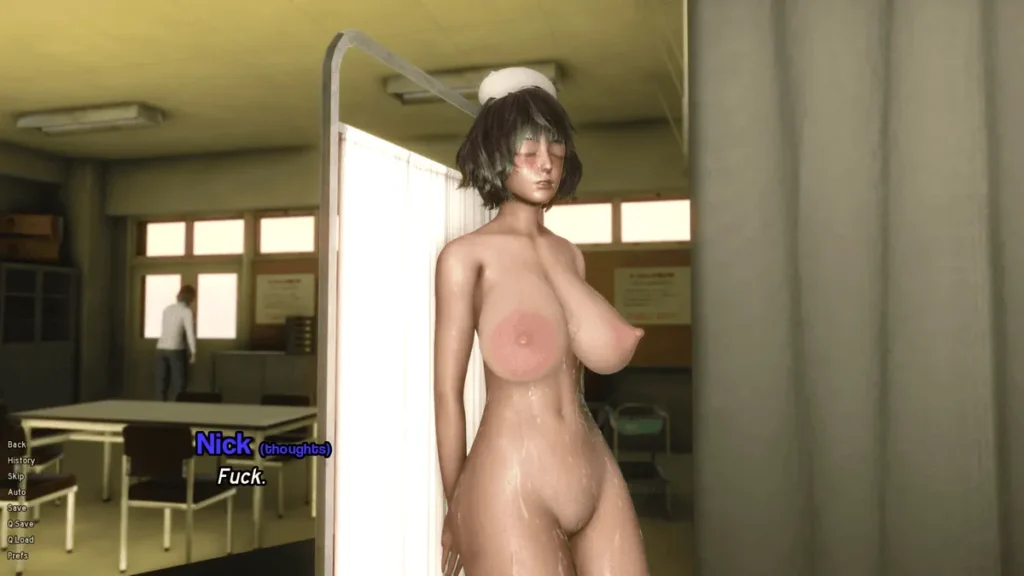
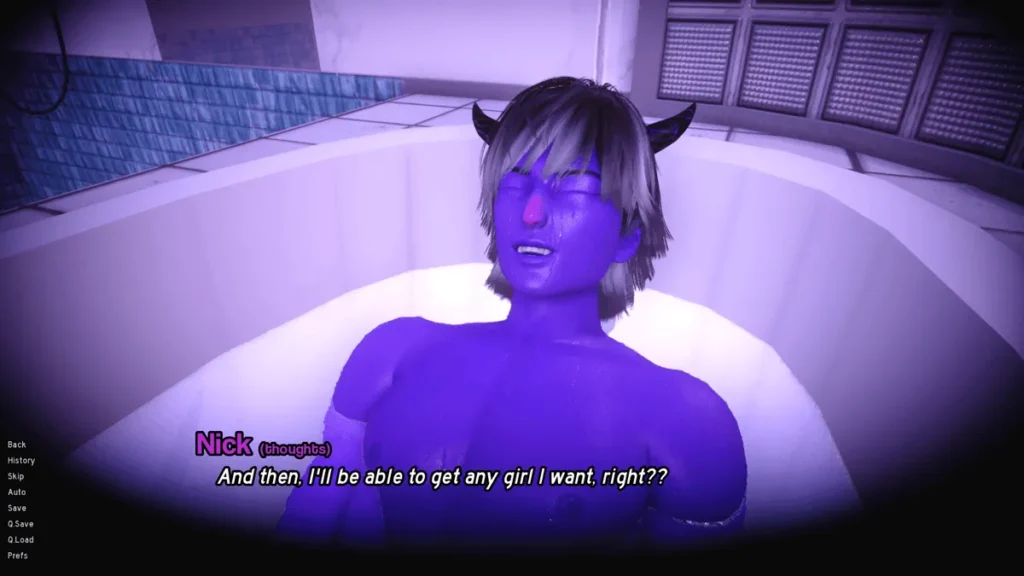
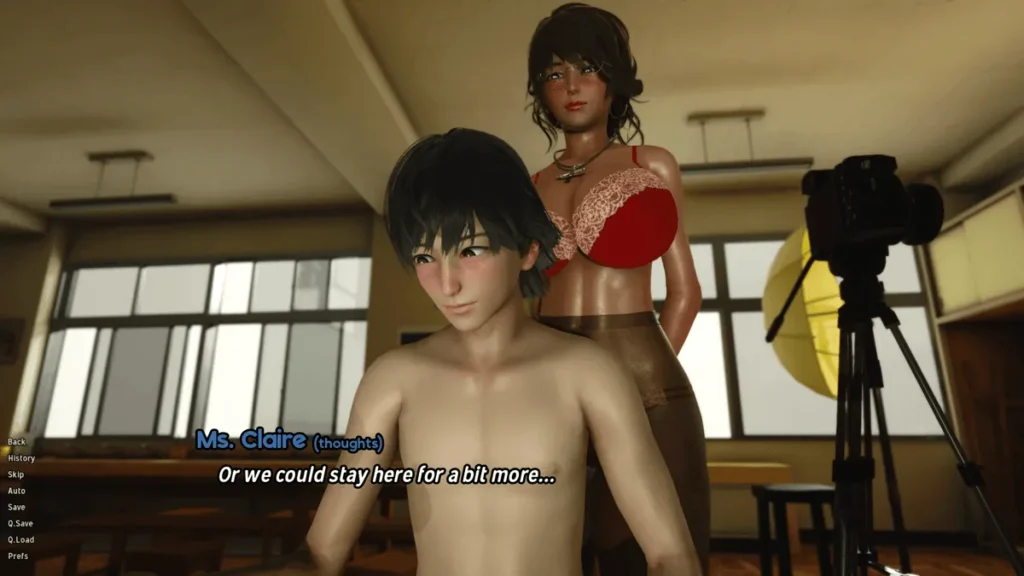

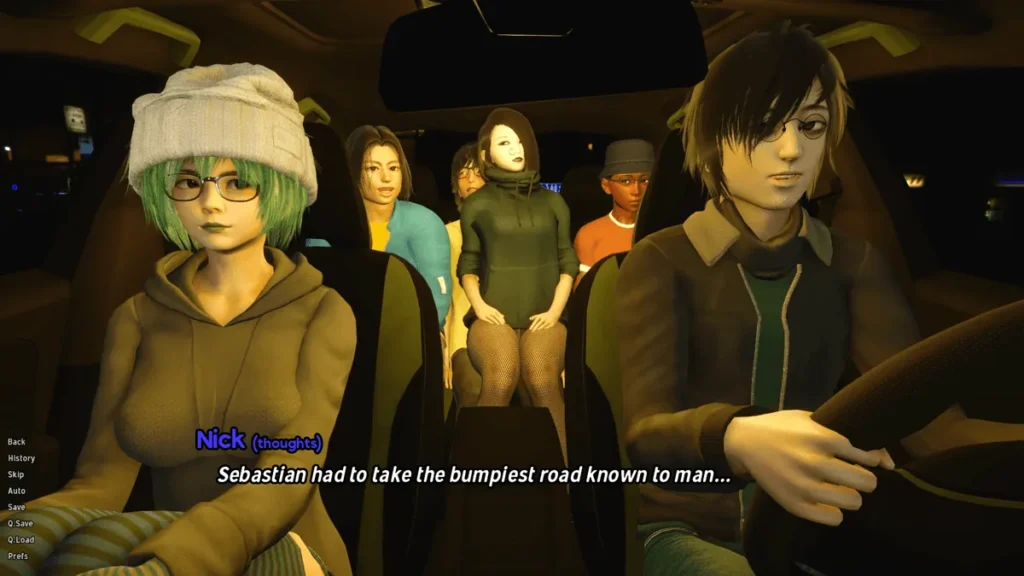
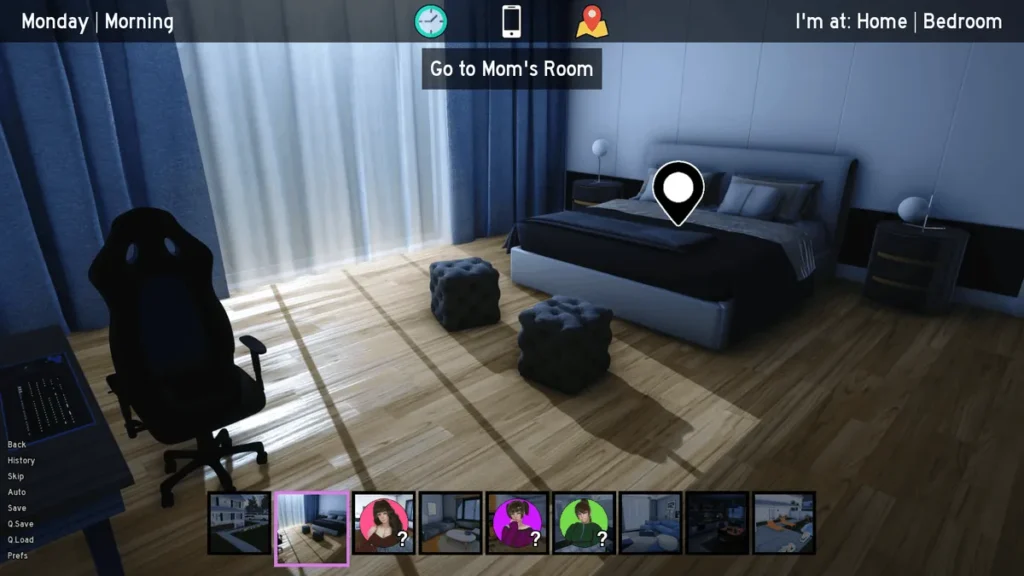
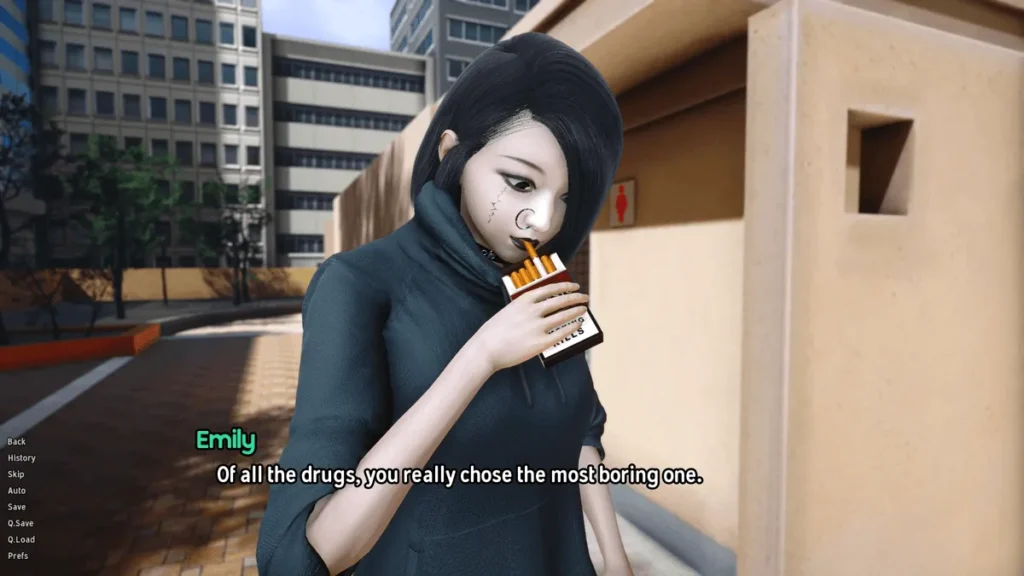
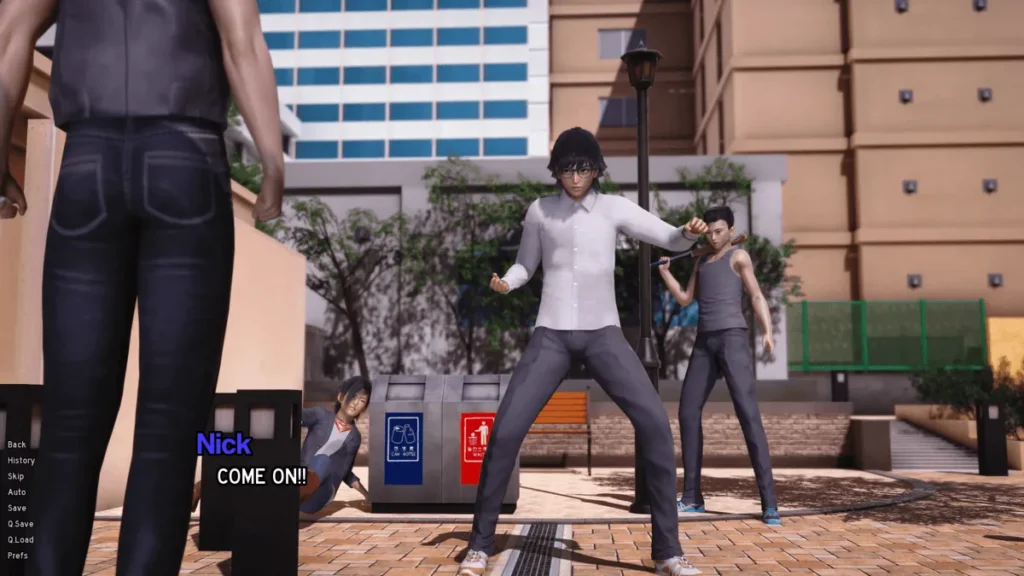

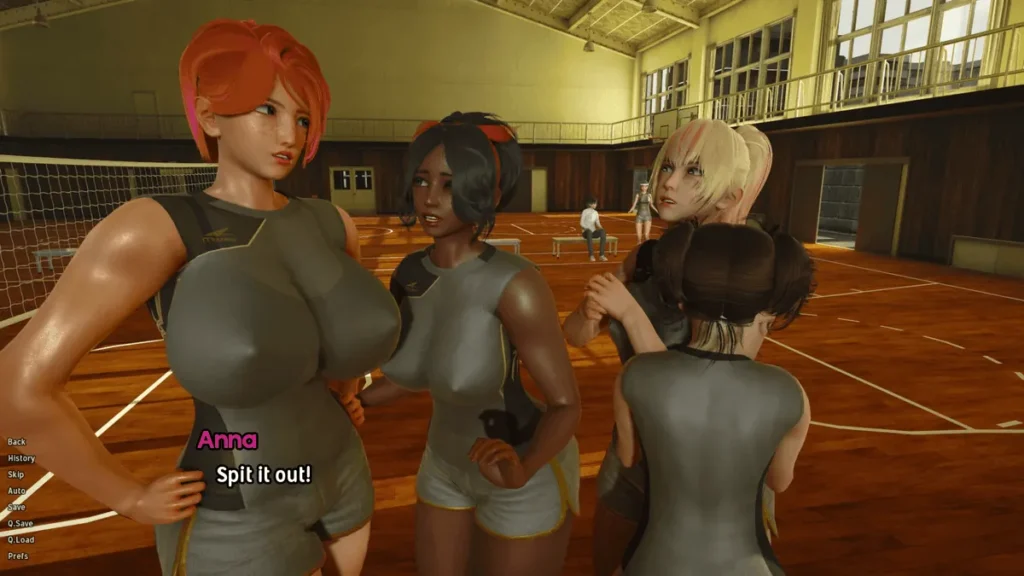
The Sin Within review
Everything you need to know about this controversial adult interactive experience
The Sin Within is an adult-oriented interactive game that has generated significant discussion within gaming communities. This comprehensive guide explores the game’s mechanics, narrative elements, content, and community reception. Whether you’re curious about the gameplay experience, considering trying it yourself, or simply want to understand what makes this title notable in the adult gaming space, this article provides detailed insights into what The Sin Within offers and what players should expect before diving in.
Understanding The Sin Within: Game Overview and Core Mechanics
So, you’ve heard the whispers, seen the provocative screenshots, and now you’re here, curious about what The Sin Within actually is. Is it a game? A story? An experience? 🤔 The short answer is: it’s a potent blend of all three, designed for a mature audience seeking more than just points and power-ups. At its core, The Sin Within is an adult interactive experience that prioritizes narrative consequence over traditional action, asking you not just to play a character, but to become them, for better or worse.
Think of it less like controlling a superhero and more like steering a life. You’re handed the reins to a deeply personal, often morally ambiguous story where every dialogue choice, every glance, and every secret you keep or reveal sends ripples through the narrative pond. The Sin Within gameplay isn’t about quick-time events or complex controls; it’s about the weight of decision-making. This is an interactive storytelling game in its purest, most provocative form, where your journey is uniquely yours, stained by the choices you make. Let’s pull back the curtain and see how this compelling, controversial title actually works.
### What Is The Sin Within and How Does It Play?
Fundamentally, The Sin Within is a choice-driven narrative adventure built for adults. It belongs to a genre that sits somewhere between a visual novel and a cinematic life simulator, but with its thematic depth turned all the way up. 🎭 You won’t find any puzzles to solve or enemies to shoot. Instead, you navigate a web of relationships, desires, and personal demons through a series of consequential decisions.
From the moment you boot it up, the game establishes its tone. The presentation is sleek, often using a combination of stylized artwork, ambient soundscapes, and well-written text to pull you into its world. Depending on the specific storyline you engage with (as the game often features multiple, distinct narratives), you might interact through a mix of first-person perspective scenes and third-person narrative passages. The primary interface is your list of choices—seemingly simple options that are deceptively powerful.
My first playthrough tip: Don’t rush. The tension in The Sin Within often lives in the silence between options. Let the moment breathe before you click.
So, how to play The Sin Within? It’s deceptively simple on the surface. You read the situation presented to you, you select from a handful of potential responses or actions, and you watch the story unfold based on your selection. But the devil is in the details. A choice to be “kind” might later be perceived as patronizing. A decision to withhold the truth might foster intimacy built on a lie. This is where the game’s heart beats strongest. It’s not about finding a “correct” path, but about discovering your path and living with its outcomes, which are often refreshingly nuanced rather than black-and-white. This emphasis on The Sin Within player choices is what defines the entire experience.
### Gameplay Mechanics and Player Progression
Now, let’s dig into the nuts and bolts. If traditional games have health bars and skill trees, The Sin Within has relationship meters, trust scores, and narrative flags. Its adult interactive game mechanics are designed to be invisible yet omnipresent, guiding the story without holding your hand.
The Sin Within gameplay progression is not measured in levels, but in chapters and emotional beats. You move forward by making choices that advance the clock, trigger new scenes, and open (or permanently close) branches of the story. The game cleverly tracks your decisions behind the scenes, building a profile of your character’s personality and the state of their world. Did you choose the impulsive, passionate response three times in a row? The game notes that, and future characters might react to you as a volatile person. This is the essence of its adult game progression system—a silent, cumulative scoring of your moral and emotional compass.
Here are the key mechanics that drive the experience forward:
- The Choice Wheel: The primary interaction. Options are presented concisely, but often carry subtext. A choice like “Touch her hand” can be a gesture of comfort, desire, or dominance, depending on the context you’ve built.
- Hidden Variables: Key character stats like “Trust,” “Lust,” “Resentment,” or “Guilt” are influenced by your choices. You rarely see the exact number, but you feel their impact through altered dialogue and story opportunities.
- The Memory System: Past choices aren’t forgotten. Characters will reference earlier events, and your own internal monologue (a key feature) will often ruminate on past mistakes or triumphs, affecting your current mindset.
- Branching Narrative Paths: This isn’t a story with one ending and a few cosmetic differences. Major decisions act as “gates,” leading to entirely different story chapters, character arcs, and conclusions. My playthrough and yours could be radically different after a single, crucial moment.
- The “Sin” Ledger: A thematic mechanic unique to this title. While not always a literal menu, the game has a way of cataloging your transgressions and virtues, often confronting you with them in moments of climax or self-reflection.
To visualize how these systems might interact in a typical play session, consider this breakdown:
| Your Action (Choice) | Immediate Reaction | Hidden Variable Change | Potential Long-Term Story Branch |
|---|---|---|---|
| Confess a secret to Character A | Character A feels closer to you, shares their own secret. | Trust with A increases. Deceit score decreases. | Unlocks a vulnerable romance path with A. May lock out a more manipulative path with Character B who values secrecy. |
| Ignore a late-night call from a friend in need. | Scene ends quietly. You feel a pang of guilt. | Selfishness increases. Loyalty with that friend decreases. | Friend becomes distant. Later in crisis, they may not be available to help you. A new, more self-reliant story thread may emerge. |
| Succumb to a moment of anger and break an object. | Shocked silence from others in the scene. Tension skyrockets. | Volatility increases. Fear (in others) increases. Respect may decrease. | Characters begin to treat you with caution. Opens paths related to conflict and dominance, while closing paths built on gentle persuasion. |
This systemic approach means how to play The Sin Within is a personal philosophy. Are you trying to “win” a specific relationship? To explore a particular dark theme? Or are you, as I eventually learned to do, simply making choices that feel true in the moment, ready to accept the beautiful or heartbreaking consequences? That’s where the real replay value shines. A single narrative in The Sin Within can easily offer 3-5 radically different conclusions, with dozens of smaller variations along the way, encouraging you to go back and ask, “What if I had chosen differently?” 🔄
### Narrative Structure and Story Elements
If the mechanics are the skeleton, the narrative is the soul—and it’s a complex, often troubled one. The Sin Within narrative structure is non-linear and reactive, resembling a sprawling tree rather than a straight line. The story doesn’t simply unfold for you; it unfolds because of you.
Typically, a storyline begins with a compelling, often morally loaded premise. You might be a person re-entering a turbulent past relationship, someone grappling with a forbidden desire, or an individual confronting the consequences of a life-altering lie. The game excels at presenting scenarios that lack easy answers, forcing you to engage your own ethics. The interactive storytelling game format is perfect for this, as it makes you complicit in the narrative. You’re not watching a character make a bad decision; you are making it for them.
Themes are unflinchingly adult, exploring lust, betrayal, obsession, vulnerability, and the grey areas of consent and power dynamics. It’s not provocative for the sake of shock; rather, it uses its mature rating to ask difficult questions about human nature. The writing quality is crucial here, and generally, The Sin Within delivers with sharp, believable dialogue and internal monologues that make you feel wired into the protagonist’s psyche.
The structure often follows this pattern:
1. The Inciting Incident: You are placed in a charged situation.
2. The Build-Up: Through a series of smaller choices, you define relationships and your own character’s attitude.
3. The Crossroads: One or two major decisions act as narrative pivots, directing you to a specific story branch.
4. The Consequence: Your chosen branch plays out, with earlier choices echoing to shape the details.
5. The Resolution: You reach an ending that feels earned—whether it’s cathartic, tragic, ambiguous, or bittersweet.
This structure grants immense player agency. You truly shape the narrative outcome. In one of my playthroughs, by consistently choosing paths of honesty and empathy, I guided a story to a conclusion of hard-won reconciliation and personal growth. In the next, with the same starting scenario, I embraced manipulation and selfish desire, which led to a thrilling but ultimately lonely and destructive ending. Both felt valid and “correct” for the character I had chosen to be in that run. That’s the magic of The Sin Within player choices—they aren’t about good or evil, but about crafting a specific human experience.
Ultimately, understanding The Sin Within means letting go of conventional gaming goals. There’s no high score, no final boss to defeat. The challenge, and the reward, is introspective. It asks you to explore facets of desire and morality in a safe, yet compelling, digital space. Its adult interactive game mechanics and layered narrative structure work in harmony to create a memorable, often emotionally resonant experience that stays with you long after you’ve closed the game. Whether you’re fascinated by complex storytelling or eager to test your own decision-making in tough scenarios, this guide should have given you a clear picture of what awaits within its digital pages. The only question left is: what choices will you make? 🕯️
The Sin Within represents a specific niche within adult gaming, offering an interactive narrative experience that has generated mixed reactions from the community. The game’s core appeal lies in its interactive storytelling and player agency, though reception has highlighted concerns about pacing, writing consistency, and content presentation. For players interested in adult-oriented interactive fiction, understanding what the game offers and what the community has experienced is essential before deciding whether it aligns with your interests. Whether you’re exploring this genre for the first time or are a seasoned player of adult games, approaching The Sin Within with clear expectations about its content and mechanics will help you determine if it’s the right experience for you.