The Theater of Sinners
Play The Theater of Sinners
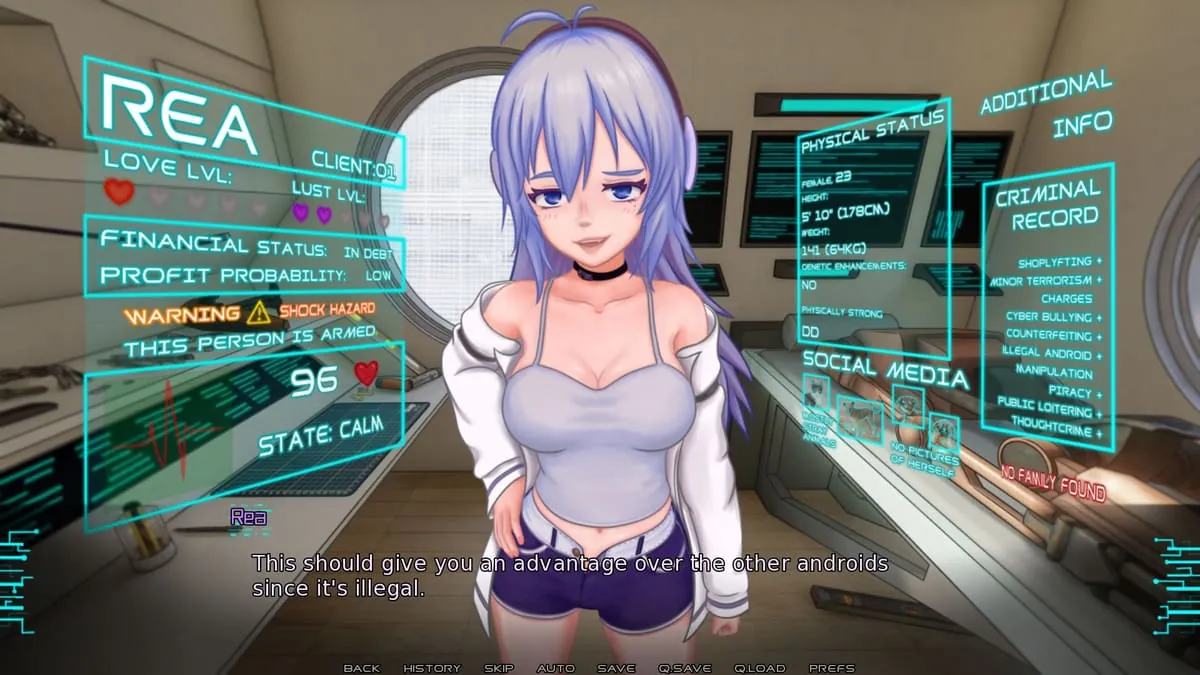
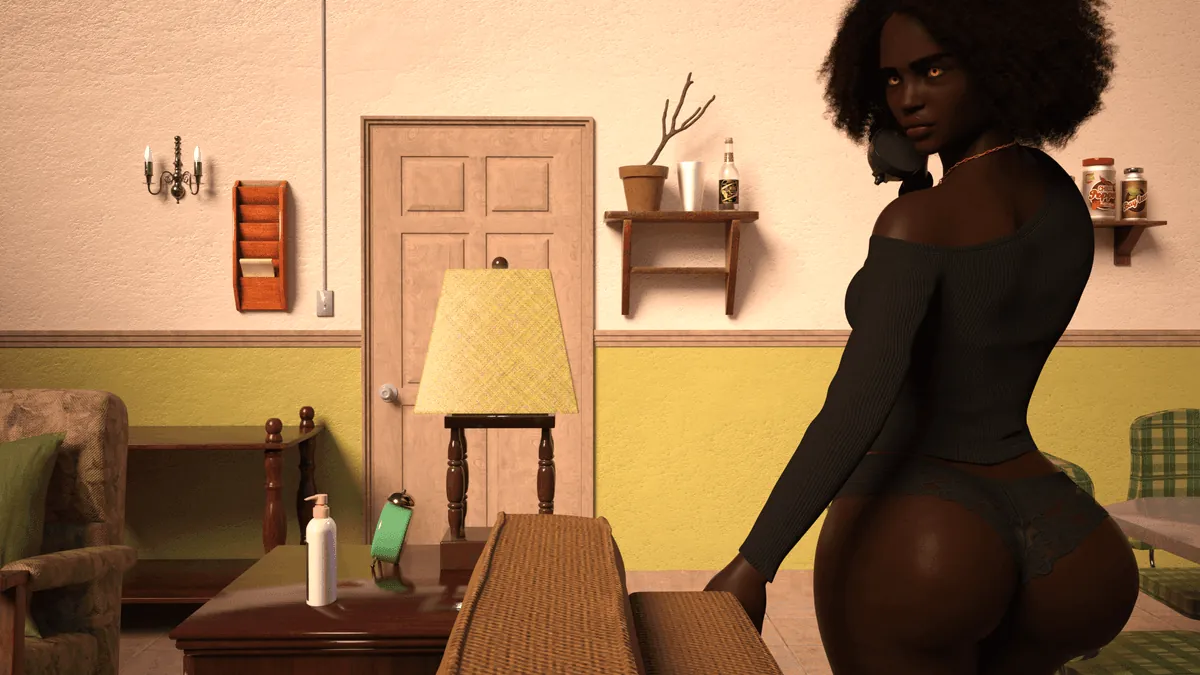
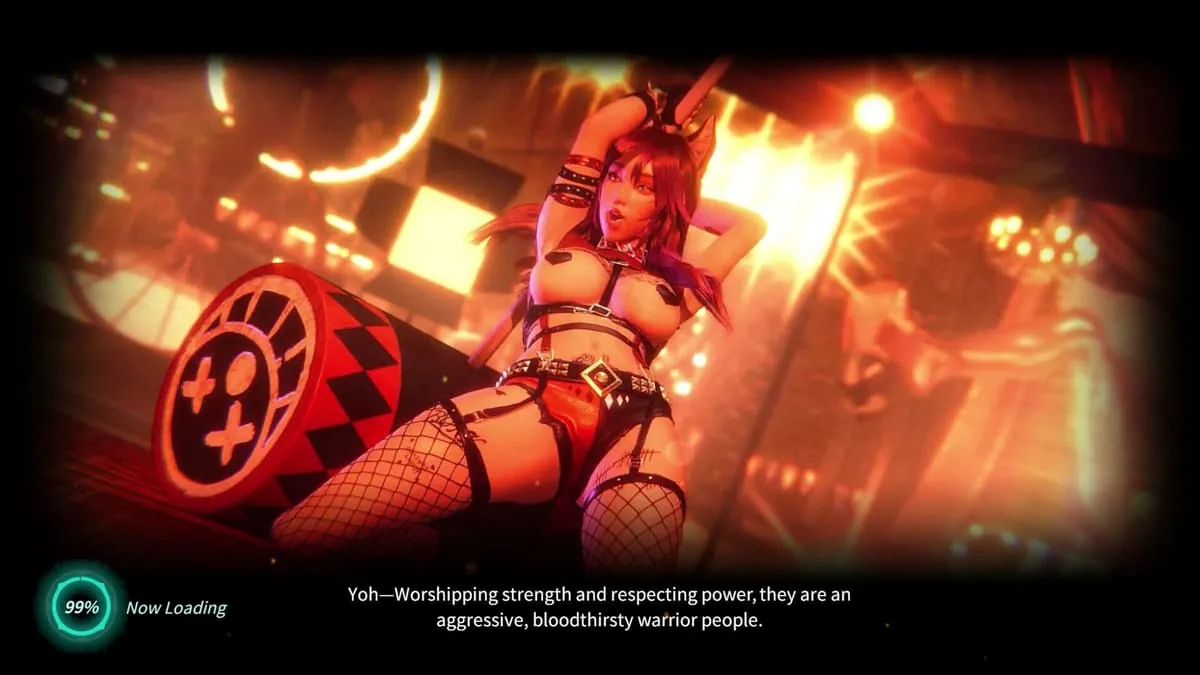
The Theater of Sinners Screenshots
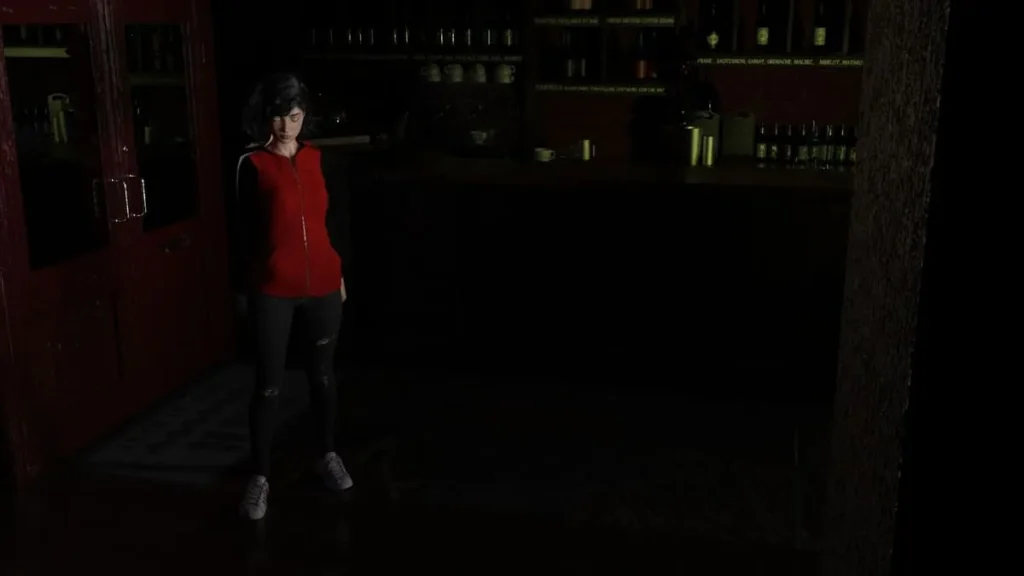
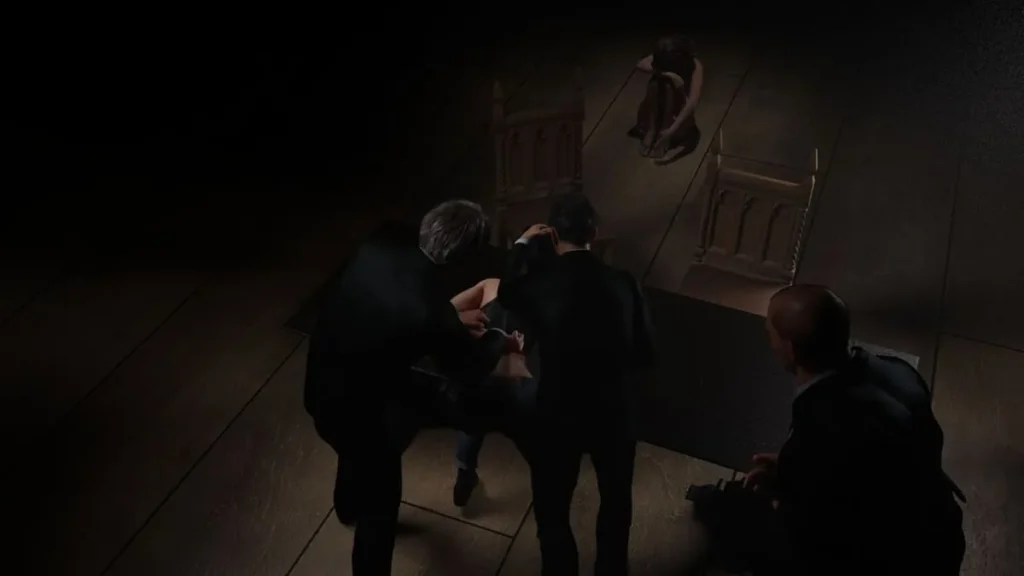
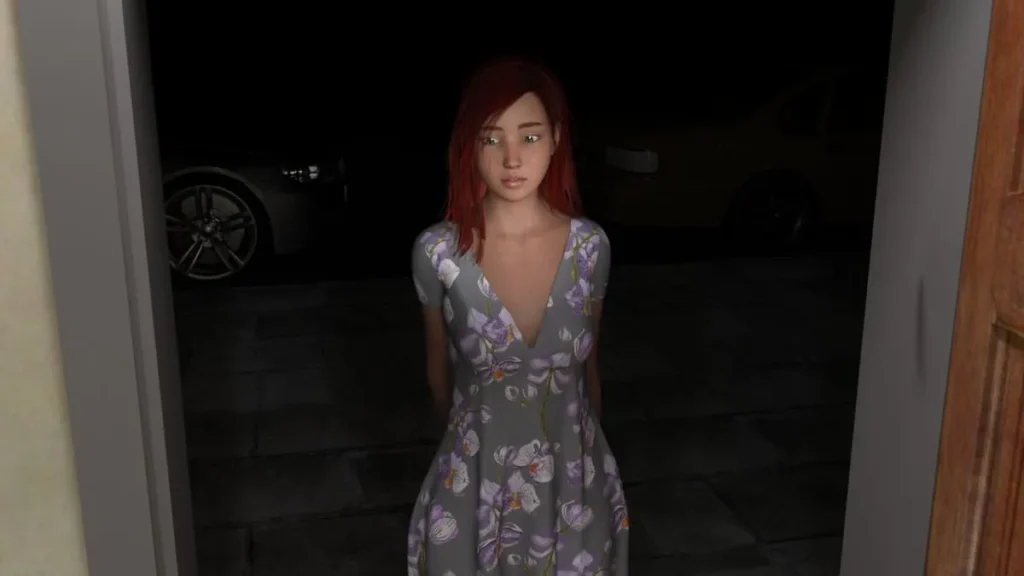
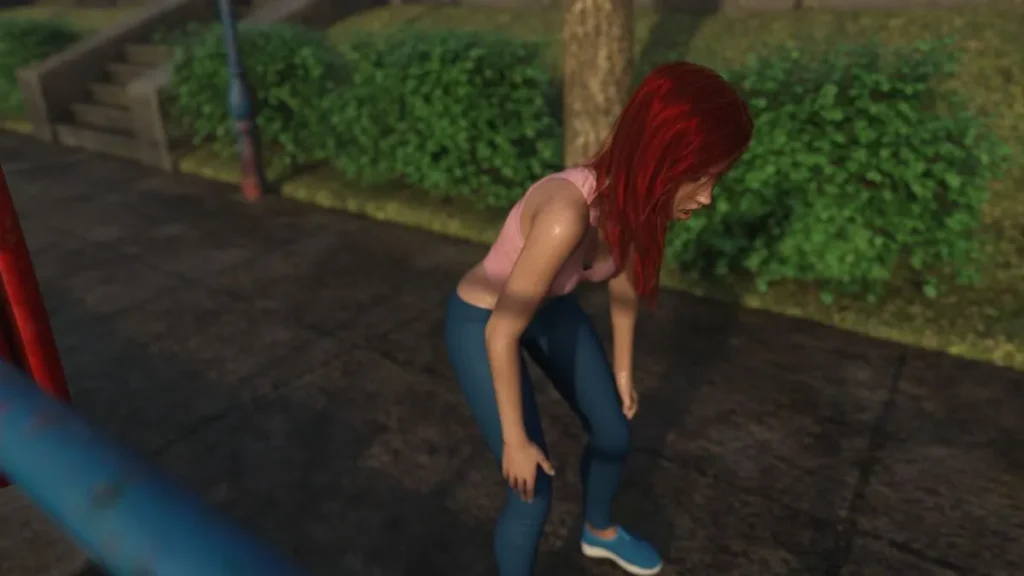
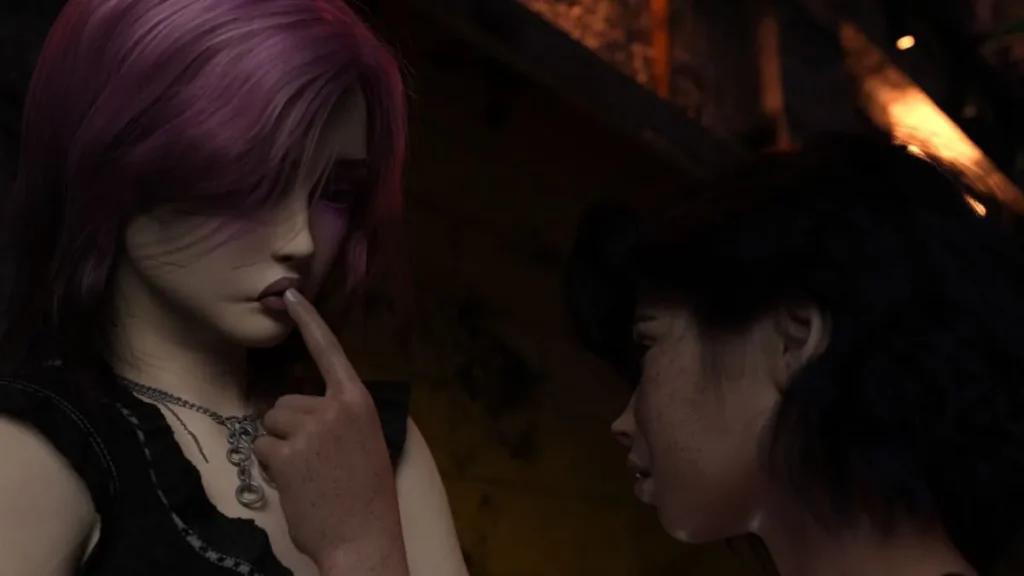
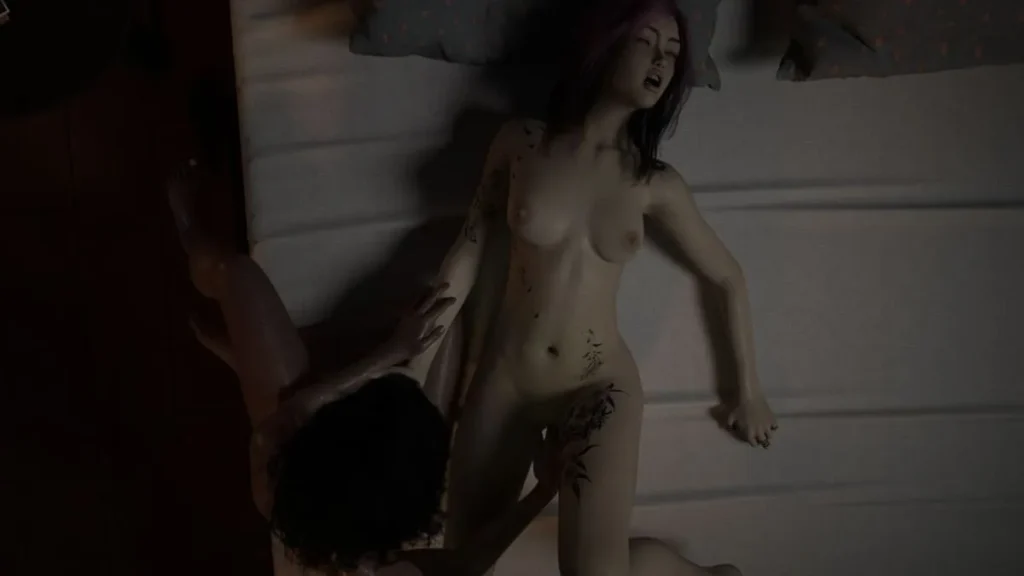
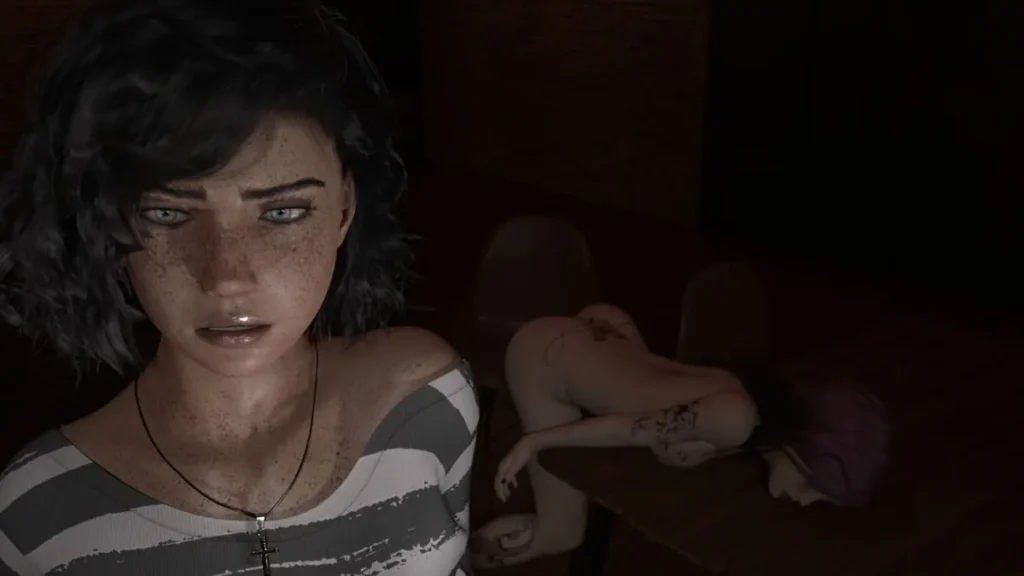


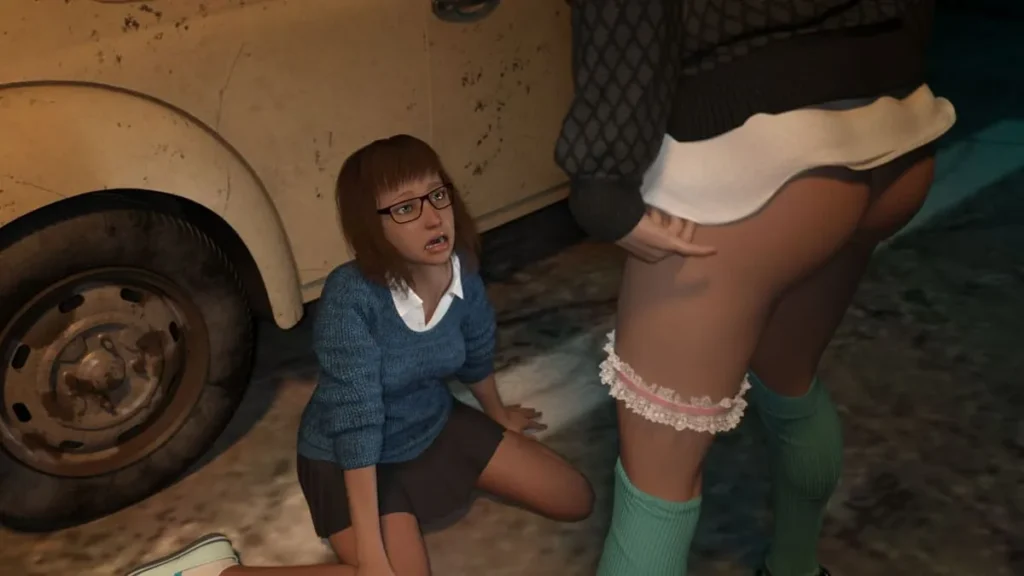
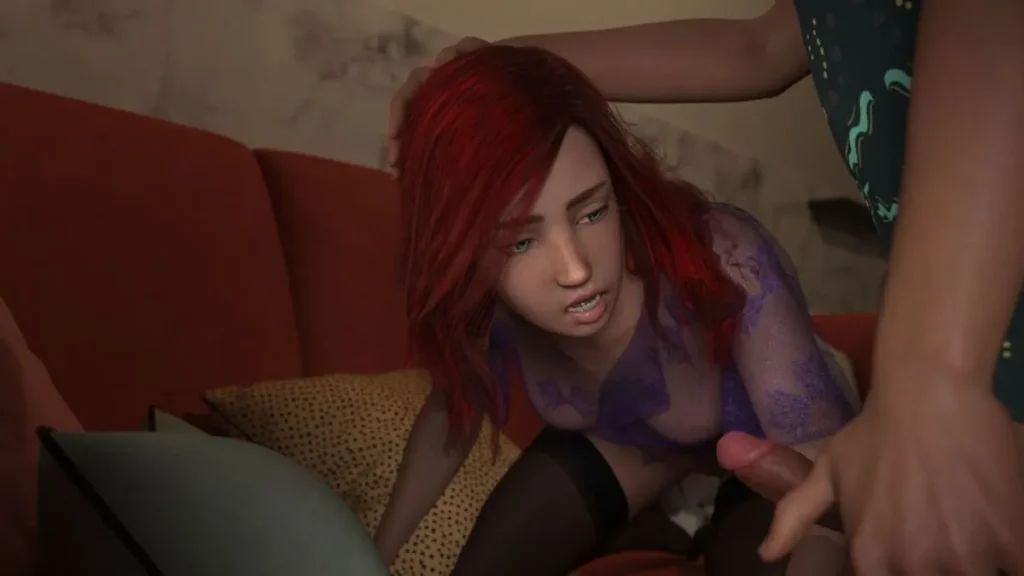
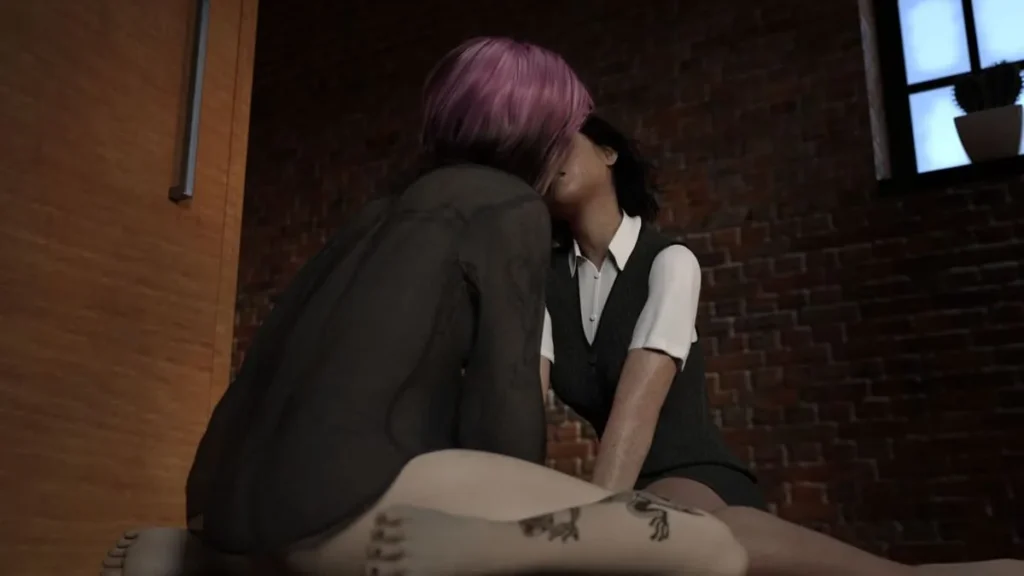
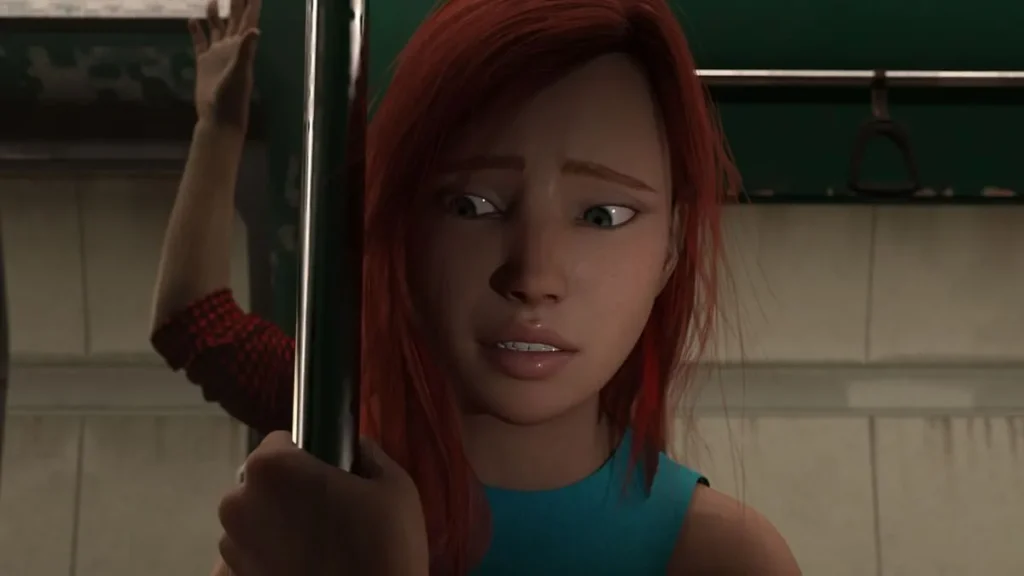
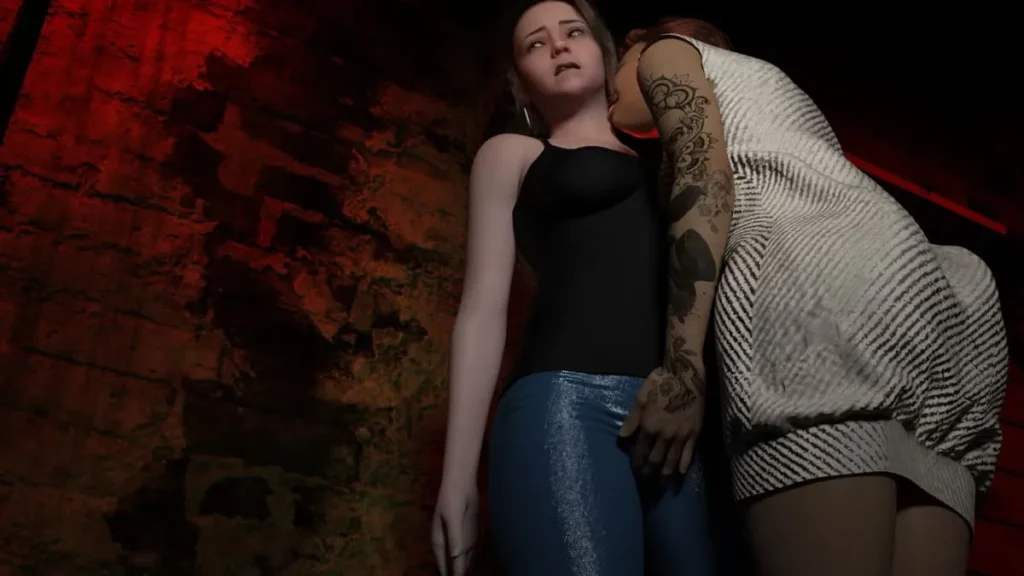
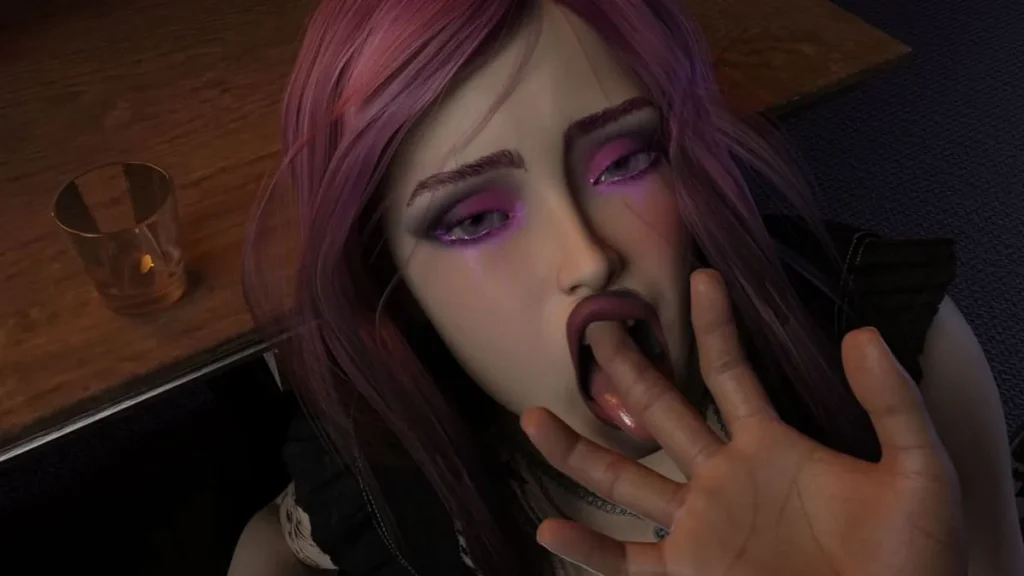
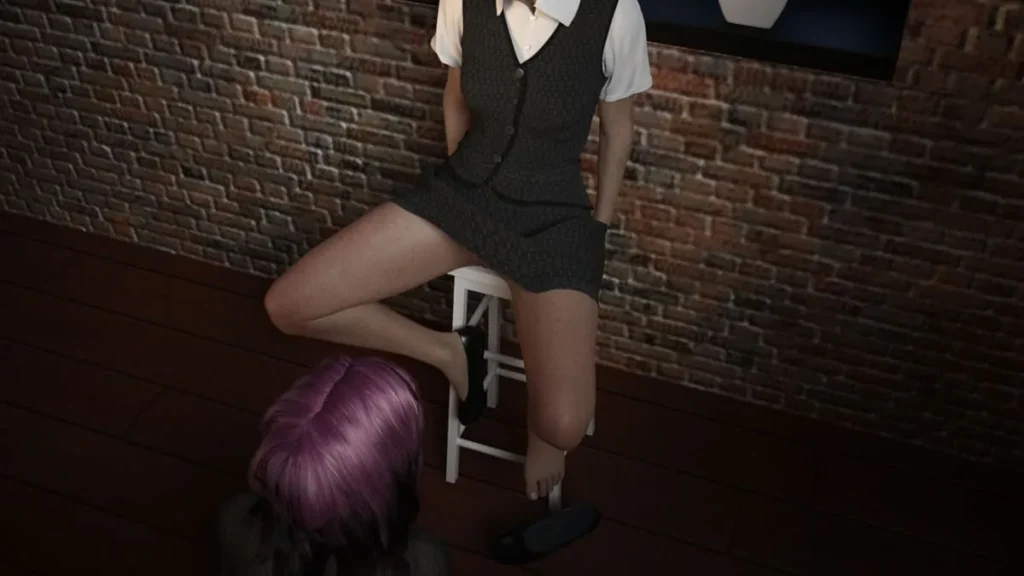
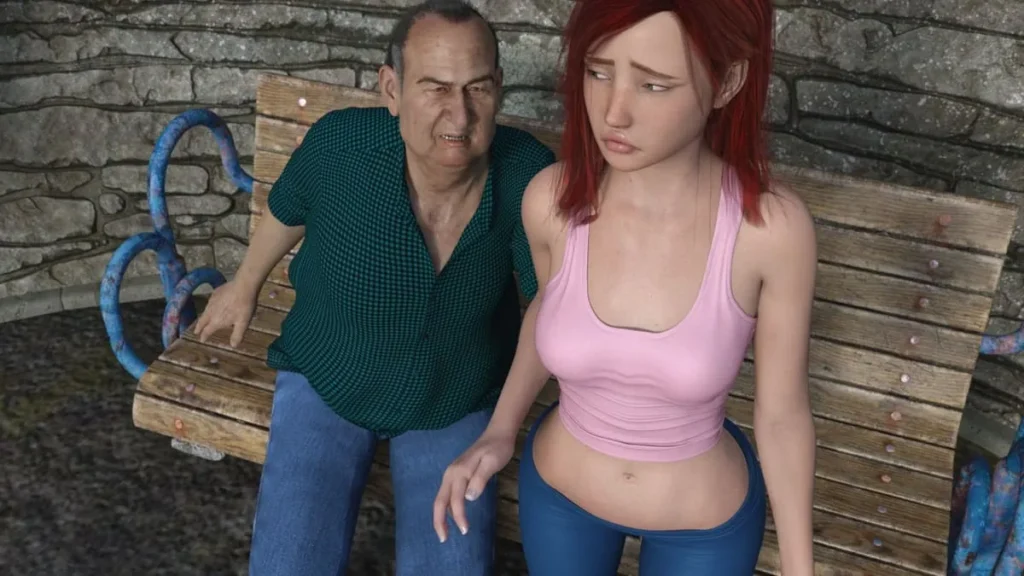
The Theater of Sinners review
Explore the dark narrative, complex characters, and decision-driven gameplay of this adult psychological fantasy experience
The Theater of Sinners stands out as a decision-driven visual novel that immerses players in a morally complex world where choices carry real consequences. Developed by JustXThings and currently in version 0.3 Alpha 1, this psychological fantasy horror experience explores themes of corruption, humiliation, and redemption through the intertwined stories of four protagonists. Unlike traditional games that offer clear moral paths, The Theater of Sinners presents a narrative landscape where ethical boundaries blur and every decision shapes character development and story outcomes. Whether you’re drawn to psychological depth, character-driven narratives, or unconventional storytelling, this game offers a compelling exploration of human nature at its most vulnerable.
Understanding The Theater of Sinners: Core Gameplay and Narrative Structure
So, you’ve heard the whispers about The Theater of Sinners. Maybe a friend mentioned its haunting art, or you stumbled across a review praising its unflinching story. You’re intrigued, but also wondering: what am I actually getting into here? Is it just another point-and-click story, or something more? 🤔
Let me tell you, from the moment I booted it up, I knew this was different. This isn’t a passive experience where you just watch the drama unfold. You’re in the director’s chair, the playwright, and, uncomfortably often, the accomplice. The Theater of Sinners gameplay is a masterclass in making you feel the weight of every single choice. It pulls you into a beautifully bleak world of psychological fantasy horror and then hands you the knife, asking you where to cut.
To get us all on the same page, here’s a quick overview of what this experience is built on:
| Platform | Developer | Engine | Core Genre |
|---|---|---|---|
| Windows, macOS, Linux | Yakov Butuzoff | Ren’Py | Psychological Fantasy Horror |
| Key Feature | Key Feature | Key Feature | Narrative Style |
| Consequence-Driven Narrative | Four Interwoven Protagonists | Character Stat System | Non-linear with Frequent Flashbacks |
This table isn’t just trivia; it’s the blueprint for the unique tension this game creates. The accessible Ren’Py adult game foundation means it can run on almost any computer, but don’t let that simplicity fool you. The complexity lies in what the developer has built on top of that foundation. 🎭
What Makes This Visual Novel Unique?
Forget everything you think you know about morality in games. The Theater of Sinners isn’t interested in painting your path in broad strokes of “Paragon” or “Renegade.” There’s no glowing “good” option. Instead, it presents you with a series of deeply human, often painfully ambiguous decisions. The uniqueness of this psychological fantasy horror visual novel comes from its brutal commitment to cause and effect.
The developer describes the structure as “non-linear,” and that’s crucial to understand. You won’t play a straight shot from Chapter 1 to 10. Instead, you experience events, often out of chronological order, peppered with flashbacks that slowly color your understanding of the characters. It’s like putting together a puzzle where every new piece changes the picture you thought you had. One moment you’re navigating a tense supernatural encounter, and the next, a flashback reveals why a character flinches at a certain word. This structure isn’t just a gimmick; it mirrors how trauma and memory actually work—in fragments, not neat timelines.
What truly sets it apart is how it blends genres. The “fantasy horror” elements are real and visceral—there are otherworldly forces, unsettling rituals, and a pervasive sense of dread. But they’re never just for show. They act as amplifiers for the raw human psychology at the story’s core. The real horror isn’t always the monster in the dark; it’s the capacity for cruelty, obsession, and self-destruction lurking within the characters (and by extension, within you, the player). This fusion creates an atmosphere that’s both eerily supernatural and uncomfortably personal.
Decision-Based Mechanics and Consequence Systems
Alright, let’s talk about the engine of this experience: the choices. This is the heart of The Theater of Sinners gameplay. You will make dozens of decisions, from seemingly trivial dialogue choices to monumental life-or-death calls. And the game has a long, long memory. 😨
The system operates on two interconnected levels: immediate narrative branching and a subtle character stat system visual novel framework.
-
The Obvious vs. The Hidden: Some choices have clear, immediate repercussions. Choose to be aggressive, and a character might shut down or retaliate. But the more fascinating choices are the subtle ones. A seemingly kind word spoken to one character might be overheard and misinterpreted by another, sowing seeds of jealousy that erupt chapters later. I learned this the hard way. Early on, I offered a comforting lie to one protagonist to ease their anxiety. It worked in the moment, making me feel clever. Five events later, that same lie, now believed as truth, led them to make a catastrophic mistake based on false confidence. The game didn’t flash a “CONSEQUENCE” warning. It just unfolded, and I could only sit there, realizing my “kindness” was the catalyst.
-
Stats That Matter: Unlike RPGs where you pump points into “Strength” or “Magic,” the stats here are psychological and relational. Think less about numbers and more about invisible meters tracking states like a character’s Trust, Despair, Guilt, or Defiance. You rarely see these numbers, but you feel their presence. Choosing to stand up for a character might boost their Defiance, which could help them resist coercion later. Conversely, constantly dismissing their fears might max out their Despair, leading them down a path of self-sabotage. These stats silently influence dialogue options, character availability, and the ultimate conclusions of their arcs. It’s a consequence-driven narrative game where your choices build a psychological profile that determines fate.
-
The Ripple Effect Across Stories: This is where the branching storyline game design becomes genius. Remember, you have four protagonists. Decisions you make while controlling one don’t just affect their story. They ripple into the events of the others. Raising one character’s Trust in another might unlock new, cooperative options in a future scene. Alternatively, causing a rift between two characters might mean one refuses to help the other in a critical moment, forcing you to find a much harder, lonelier path. The game’s events can be played in almost any order, but the state of the world—shaped by your cumulative stats and relationship levels—is persistent. You’re not playing four separate tales; you’re managing one volatile, interconnected ecosystem of souls.
My Advice: Save often, and in different slots. Not to “game” the system, but to bear witness. Try a crucial scene twice. See how a different choice alters the trajectory. It’s the best way to appreciate the intricate web the developers have woven. You’ll often find there are no “better” outcomes, just different shades of tragedy and resilience.
The Four Protagonists and Their Interconnected Stories
You don’t just follow one hero in The Theater of Sinners; you inhabit four distinct, broken people. This isn’t a gimmick to extend playtime. It’s the core of understanding the narrative truth. There is no single “correct” perspective in this world, only conflicting, subjective realities. 👥
Each protagonist is a lens focused on the same central mysteries, but their personal histories, fears, and desires distort what they see. Playing all four isn’t optional for comprehension—it’s the entire point.
Let me break down why this approach is so powerful, with a tiny, spoiler-free example from my playthrough:
- Protagonist A might view an act as a necessary sacrifice for the greater good. In their chapters, you feel the grim determination, the burden of leadership.
- Protagonist B, the “sacrifice,” experiences the same event as a profound betrayal. Their chapters are filled with rage, pain, and a thirst for vengeance.
- Protagonist C, an observer, might see only chaos and violence, their chapters colored by fear and misunderstanding.
- Protagonist D, with a different piece of the puzzle, might understand the motivations but despise the method, their path becoming one of difficult mediation or further conflict.
As you jump between them, you build a holistic, 360-degree view of the tragedy. You sympathize with, and are frustrated by, each of them in turn. You understand why A did what they did, even as you scream at B to run. This structure forces empathy even when you don’t want to give it. The “villain” of one story is the desperate hero of another.
Managing their individual character stat systems becomes a heartbreaking juggling act. Resources, trust, and sanity are often finite. A decision that strengthens one protagonist (like encouraging them to be selfish for once) might actively weaken another (who depended on their support). You’re not optimizing a single avatar to “win”; you’re trying to guide a fragile, fracturing group through a storm, knowing you can’t save everyone from themselves.
This makes the Theater of Sinners gameplay profoundly interactive storytelling. It’s less about “playing a game” in a traditional sense and more about actively participating in the authorship of a complex, dark fairy tale. The Ren’Py adult game framework handles the presentation, but your decisions and your growing understanding of the characters’ stats are the true engine. You’re not just reading about psychological fantasy horror; you’re conducting it, note by painful note.
In the end, The Theater of Sinners stays with you not because of cheap jumpscares (though it has its moments), but because of the quiet horror of your own decisions. It’s a branching storyline game that proves the most terrifying branches aren’t the ones leading to monster dens, but the ones that reveal what people—guided by your hand—are capable of doing to each other, and to themselves. It’s an unforgettable plunge into a world where every choice echoes, and no soul leaves the theater unscathed.
The Theater of Sinners represents a bold approach to adult visual novel storytelling, prioritizing psychological depth and narrative consequence over traditional gameplay mechanics. Through its decision-driven structure, complex character development, and exploration of morally ambiguous themes, the game creates an experience that challenges players to engage thoughtfully with difficult subject matter. Whether you’re interested in unconventional narratives, character-driven stories, or psychological exploration, The Theater of Sinners offers a compelling journey into the darker aspects of human nature. The game’s commitment to consequence-based storytelling means that your choices genuinely matter, creating a personalized experience that reflects your decisions and values. If you’re seeking a visual novel that prioritizes narrative substance, character authenticity, and psychological realism over traditional gaming conventions, this title warrants serious consideration—provided you’re comfortable with its mature themes and explicit content.