
University of Problems
Play University of Problems
University of Problems Screenshots









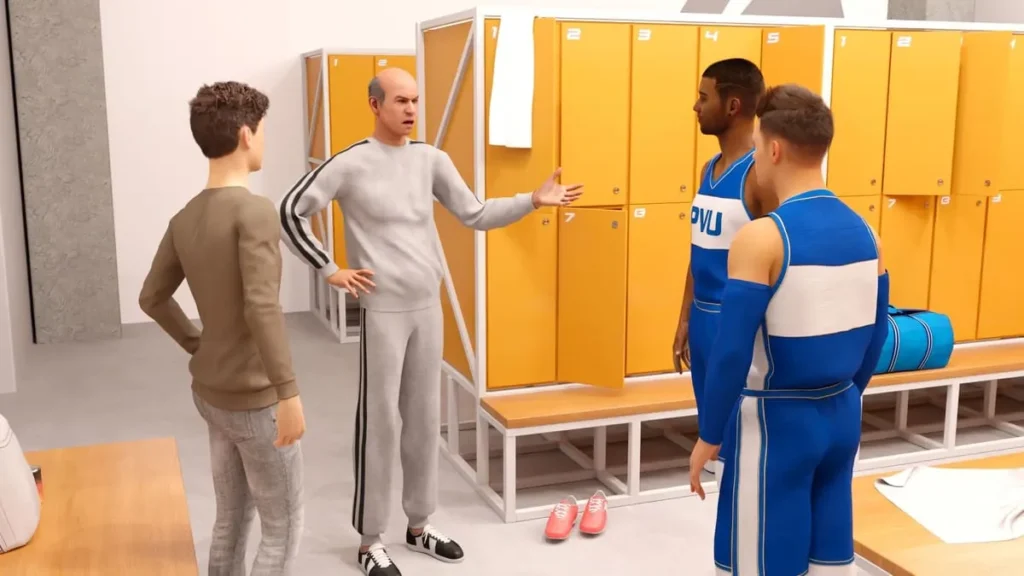








University of Problems review
Master every choice, unlock all scenes, and navigate relationships in this adult campus adventure
University of Problems stands out as a narrative-driven adult game that blends campus life simulation with relationship-building mechanics. Unlike traditional games that focus solely on linear progression, this title emphasizes player choice and consequence, where every decision shapes your journey through university life. Whether you’re navigating complex character relationships, unlocking hidden scenes, or discovering multiple endings, understanding the game’s mechanics and decision trees is essential. This comprehensive guide explores gameplay systems, character interactions, and strategic choices that will help you experience everything the game has to offer.
Gameplay Mechanics and Core Systems
Welcome, campus explorers! 😊 So, you’ve stepped onto the vibrant, drama-filled grounds of University of Problems, ready to shape your own story. But maybe you’re feeling a little overwhelmed? I totally get it. My first playthrough was a disaster—I somehow managed to offend every character by Chapter 3 and ended up with an ending so lonely it was just my character and a potted plant. 🪴 It was a harsh lesson: this isn’t a game you can just click through. Its depth is its greatest strength, and understanding its core systems is the key to unlocking the incredible, branching narrative it offers.
This chapter is your foundational handbook. We’re going to break down the University of Problems gameplay mechanics that make this choice-based decision system adult game so compelling and, at times, deliciously tricky. By mastering the character relationship tracking system and the crucial stat management of LUST and STRENGTH, you’ll be equipped to navigate the multiple endings branching narrative and create the unique campus experience you desire. Think of this as the essential University of Problems walkthrough guide for the systems themselves, setting you up to discover how to unlock all scenes in University of Problems.
Understanding the Choice-Based Decision System
At its heart, University of Problems is a narrative engine powered by your decisions. Every conversation, every flirtatious glance, and even every moment of restraint is a brick in the path you’re building. This isn’t an illusion of choice; the game has a long memory. 🧠
The choice-based decision system operates on several levels simultaneously. The most immediate are the clear dialogue and action choices presented to you. These can range from simple character interactions (“Compliment her” vs. “Tease her”) to major plot forks that determine which character’s storyline you prioritize for the day. But the genius lies in the layered consequences. A choice that seems minor—like agreeing to help one person with their studies—can automatically lock you out of spending time with another character that evening, subtly steering the narrative in a new direction.
The game’s calendar and event sequencing are the silent conductors of this symphony. Events, video calls, and in-person meetings are triggered based on two key factors: your relationship status with each character and the specific narrative “checkpoint” you’ve reached. You can’t force a romantic scene with Roxy if you haven’t first built enough rapport through earlier, casual interactions. The game ensures narrative logic prevails.
Pro Tip from a Veteran Player: Slow down. Read every option carefully. Often, the “nicest” or most aggressive choice isn’t the one that progresses a relationship. Look for options that show genuine interest in the character’s life or personality. It’s those authentic moments that build the deepest connections.
This system creates a beautifully reactive world. During one playthrough focused on Sara, I consistently chose supportive, emotionally open options. The game responded by unlocking tender, intimate scenes that felt earned. In another, where I played a more confident and physically forward character focused on Roxy, the story delivered more passionate, tension-filled encounters. The branching narrative truly makes your chosen personality the protagonist.
Character Relationship Tracking and Stat Management
Now, let’s talk about the twin engines that power your progress: Relationships and Stats. This is where University of Problems transitions from a visual story to a strategic experience. You’re not just choosing what feels right in the moment; you’re managing resources and planning long-term. 📊
The Stat System: LUST & STRENGTH
Your character has two primary attributes that are constantly being checked behind the scenes:
- STRENGTH: This isn’t just about physical power. It represents your confidence, willpower, and assertiveness. Certain dialogue options, especially confrontational or dominant ones, will require a minimum STRENGTH level. It also gates physical scenes and determines success in some competitive interactions.
- LUST: This measures your character’s openness to physical intimacy, their desire, and their willingness to engage in risqué situations. A high LUST stat is essential for unlocking most romantic and intimate scenes. However, having it too low at a critical story moment might leave you with a “fade to black” where a scene would otherwise play out.
You raise these stats by making choices that align with them. Choosing to work out at the gym will boost STRENGTH. Opting for a steamy video call or indulging in a sensual thought will increase LUST. It’s a constant balancing act. Do you spend your afternoon building the STRENGTH to impress Rachel later, or do you indulge your LUST to ensure you’re ready for a potential encounter with Kim?
The Relationship Tracking System
Each main character—Roxy, Kim, Sara, Carol, Rachel, and Yuki—has her own invisible “meter.” This isn’t a simple like/dislike bar. It’s a complex tracker of affinity, trust, and romantic interest. Every interaction adds or subtracts points from this hidden total.
This is where the game’s strategic depth shines. Advancing a relationship with one character can have direct repercussions on another. For example, aggressively pursuing Roxy early on might cause Sara, who is more reserved, to become hesitant or even close off certain paths permanently—this is the consequence system in action. Conversely, reaching a key trust milestone with Kim might unlock an option to help Yuki, creating a positive link between their storylines.
The game sequences events based on this web of relationships. You might receive a video call from a character only after you’ve reached a specific affinity level with her, or a party scene might play out completely differently depending on which relationships are active and which are strained.
To make this concrete, here’s a breakdown of some common gates you’ll encounter. Use this as a strategic reference:
| Character | Example Scene/Path | Typical Stat & Relationship Requirements |
|---|---|---|
| Roxy | Unlocking the more intimate, confident storyline branches. | STRENGTH >= 2, High Roxy Affinity, often requires choosing her over others at key moments. |
| Kim | Accessing her private, trust-based scenes. | LUST > 6, High Kim Affinity, must have supported her in previous conflicts. |
| Sara | Progressing to romantic physical intimacy. | Moderate LUST (e.g., >4), Very High Sara Affinity, often requires STRENGTH to be *not* overly dominant (showing emotional side). |
| Carol | Initiating the bold, direct romance path. | High STRENGTH (e.g., >=3), High LUST, direct and flirty choices in all interactions. |
| Rachel | Succeeding in competitive or sporty interactions. | STRENGTH >= 4, Respect earned through winning mini-games or challenges. |
| Yuki | Helping her with her personal projects and unlocking her unique scenes. | Moderate LUST, High Yuki Affinity built through consistent, kind support. |
Step-by-Step Guide to Maximizing Relationship Points:
Want to see your favorite character’s storyline flourish? Follow this general blueprint:
- Consistency is Key: Pay attention to each character’s personality. Roxy responds to confidence, Sara to kindness and patience, Carol to boldness. Stick to choices that align with their preferences in every interaction, no matter how small.
- Prioritize Their Time: When the game gives you a choice of who to spend an event with (like a party or study session), choosing a character is a massive affinity boost. This is often the primary way to steer the narrative.
- Listen and Remember: Bring up details from past conversations. If a character mentions a problem or a hobby, ask about it later. This shows genuine interest and grants big relationship points.
- Manage Jealousy: Be mindful of flirting with multiple characters in the same social circle within a short time span. The game tracks this, and it can lead to confrontations or closed doors.
- Use Stats as a Key: If you’re stuck, check your STRENGTH and LUST. If a scene isn’t triggering, you likely need to grind the relevant stat through general choices before your next story interaction with that character.
How Multiple Playthroughs Unlock Hidden Content
This is the crown jewel of the University of Problems experience. You are meant to play this game more than once. A single playthrough will only reveal about 30-40% of the total content. The multiple endings branching narrative is designed for exploration, and understanding this transforms replaying from a chore into an exciting treasure hunt. 🗺️
Your first run should be for immersion—play naturally, follow your instincts, and see where you end up. Maybe you’ll romance Kim. Great! But that very playthrough has now hidden enormous chunks of content related to Sara, Carol, and others. The game’s branching narrative means entire event sequences, character arcs, and locations are exclusive to specific relationship paths.
Let’s get practical. How do you unlock all scenes in University of Problems? Through targeted, strategic replays.
- The Loyalty Run: Focus exclusively on one love interest from the very first choice. Refuse all other characters’ advances. This will take you down the deepest, most narrative-rich path for that specific character, unlocking scenes of emotional intimacy and plot development that are impossible to see if you’re dividing your attention.
- The Stat-Specialist Run: Dedicate an entire playthrough to maximizing one core stat. Do a “High STRENGTH” run where you choose every gym and confident option, unlocking scenes and dialogue with Rachel, Carol, and Roxy that were previously inaccessible. Then do a “High LUST” run to explore a different set of interactions with Kim, Yuki, and others.
- The “What If?” Run: Made a big decision in your first game? Save before it and reload later, or start a new game with the sole purpose of choosing the opposite. What if you stood up to the bully instead of backing down? What if you went to the off-campus party instead of staying in to study? These major plot forks create entirely different narrative act structures.
The game brilliantly rewards this curiosity. You’ll find that characters you previously ignored have profound and engaging stories. Yuki’s plotline, for instance, is a masterpiece of slow-burn character development that’s easy to miss if you’re always chasing the most overt romance. Furthermore, achieving endings with certain characters can unlock special “starting bonuses” or subtle dialogue variations in a new game, making the world feel truly lived-in and reactive to your legacy.
So, embrace the restart. Each new journey through the University of Problems gameplay mechanics is a fresh opportunity, a new lens through which to view this dynamic campus. With your newfound understanding of the choice-based decision system, your strategic command of the stat management of LUST and STRENGTH, and a map for the character relationship tracking system, you are no longer just a student. You are the architect of your destiny, ready to master every path, uncover every secret, and experience the full, breathtaking scope of this adult campus adventure. Your next class is about to begin. Will you walk in with confidence, or with desire? The choice, as always, is yours. 😉
University of Problems offers a rich experience for players who enjoy narrative-driven games with meaningful choices and relationship mechanics. By understanding the core gameplay systems, character relationship dynamics, and strategic planning approaches outlined in this guide, you can maximize your enjoyment and unlock all the content the game has to offer. Whether you’re pursuing specific character relationships, discovering hidden scenes, or working toward achieving every possible ending, the key is approaching each playthrough with intention and learning from previous runs. The game rewards experimentation and careful decision-making, making it an engaging experience for players who appreciate consequence-driven storytelling and complex relationship systems. Start with your first playthrough to learn the basics, then use subsequent runs to explore different paths and uncover the full depth of what University of Problems delivers.