Play Returning to Mia
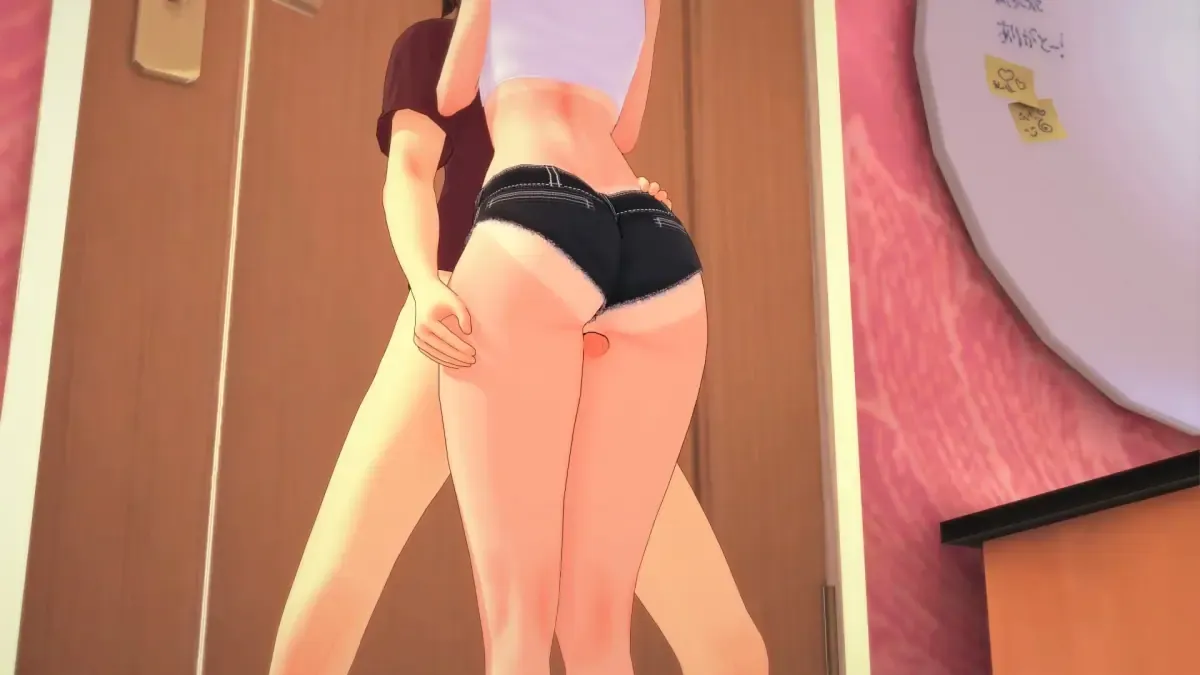
Returning to Mia Screenshots












Returning to Mia review
Explore the sequel’s branching storyline, gameplay mechanics, and what makes this visual novel experience unique
Returning to Mia stands as an ambitious sequel in the visual novel genre, picking up two years after the events of Summer with Mia. This interactive narrative experience combines stunning visuals with deeply branching storylines where your choices genuinely matter. Whether you’re a returning fan or new to the series, understanding what this game offers—from its extensive content library to its relationship-driven narrative—helps you decide if it’s worth your time. With over 24 hours of gameplay, hundreds of animations, and multiple endings, Returning to Mia delivers a substantial experience that goes beyond traditional visual novel storytelling.
Understanding Returning to Mia: Story, Setting & Core Gameplay
Remember that summer two years ago? The one that felt like it would last forever, filled with sun-drenched days and a connection that sparked something real? For many of us who played Summer with Mia, that feeling became a digital memory we’ve carried around. Well, grab your virtual sunscreen, because it’s time to go back. 🏖️
Returning to Mia isn’t just another sequel; it’s a heartfelt, often intense, reunion with a story and characters that many players formed a genuine bond with. This interactive narrative game picks up the threads of that past summer and weaves them into a far more complex and mature tapestry. If you’re curious about diving into this world, whether you’re a returning fan or a newcomer, this guide will break down everything you need to know about the Returning to Mia story plot, its deep gameplay mechanics, and what makes this visual novel experience truly stand out.
What Happens in Returning to Mia: Plot Overview & Character Reunion
Two years have passed. The sun-bleached, carefree days of that initial summer are now just a bittersweet memory. You, the protagonist, find yourself returning to the familiar coastal town, but nothing is as simple as it seems. The core of the Returning to Mia story plot is a masterclass in emotional complexity, focusing on a reunion fraught with tension, unresolved feelings, and the hard realities of time.
Mia is no longer just the girl from that perfect summer. Life has happened. She’s now running a bar, The Drunken Sailor, and it’s struggling. The weight of responsibility and past choices hangs in the air between you. That effortless connection you once shared is now buried under layers of unsaid words, misunderstandings, and the sheer awkwardness of picking up where you left off after so long. 😔
This isn’t a simple love story; it’s a relationship drama. The narrative expertly explores whether a spark from the past can reignite into a lasting flame, or if it’s destined to fizzle out under the pressures of the present. The summer setting returns, but it serves as a contrasting backdrop to the more serious, sometimes gritty, personal struggles at the story’s heart. You’ll navigate conversations filled with subtext, help Mia confront the challenges with her business, and slowly peel back the layers of what both of you have become in the intervening years. The development of these Returning to Mia character relationships is the engine of the entire experience, making every interaction feel significant and charged with potential consequence.
My Take: What I loved most about the plot was its refusal to be simplistic. Mia feels like a real person who has lived a life separate from you. Her frustrations, her hopes, and her defenses make the process of reconnecting feel earned. It’s less about grand romantic gestures and more about the quiet, meaningful moments of understanding you can choose to create.
Visual Novel Mechanics: How Your Choices Shape the Narrative
If the first game introduced you to Mia’s world, this sequel hands you the keys to its destiny. The Returning to Mia gameplay mechanics represent a massive evolution from its predecessor, transforming it from a mostly linear story into a truly dynamic interactive narrative game. Your agency is no longer an illusion; it’s the driving force.
At its core, Returning to Mia is a visual novel, but one where the “novel” rewrites itself based on your decisions. Almost every dialogue exchange presents you with branching storyline choices. These aren’t just cosmetic “nice guy vs. jerk” options. They are nuanced, often morally ambiguous decisions that directly influence:
* Mia’s trust and affection toward you.
* The fate of her bar and your involvement in it.
* Your relationships with secondary characters who can become allies or obstacles.
* The overarching emotional tone of the story—will it be a story of healing, passionate reconnection, bitter conflict, or melancholic acceptance?
The game brilliantly tracks your path behind the scenes. A seemingly innocuous choice in Chapter 2 can close off (or open up) entire dialogue branches and scenes in Chapter 5. This system creates an incredibly personalized experience. My first playthrough was cautious and supportive, focusing on rebuilding trust slowly. On my second, I made more assertive, riskier choices, which led to completely different arguments and intimate moments. This is the magic of the Returning to Mia visual novel format—it demands to be replayed.
And where do these paths lead? To a robust system of Returning to Mia multiple endings. We’re not just talking about a “good” and “bad” ending. The conclusions are varied, thematically rich, and feel like the direct, logical culmination of the relationship you’ve built (or damaged) throughout the game. Achieving the specific ending you want requires careful attention to Mia’s needs, your own actions, and sometimes, a bit of saved-game experimentation!
To give you a solid overview of what you’re committing to, here’s a breakdown of the game’s core specifications:
| Feature | Specification |
|---|---|
| Total Playtime | 24+ Hours (for multiple paths) |
| Total Story Scenes | 31 |
| Static Images & Renders | 180+ High-Quality Images |
| Animations | Hundreds of Quality Animations |
| Key Gameplay Feature | Branching Choice-Driven Narrative |
| Available Platforms | PC (Windows) |
Game Features: Content Volume, Animations & Interactive Elements
So, what exactly are you getting in this package? Let’s just say the developers did not hold back. The content volume in Returning to Mia is substantial, designed to fully flesh out its branching narrative and provide real value for your time.
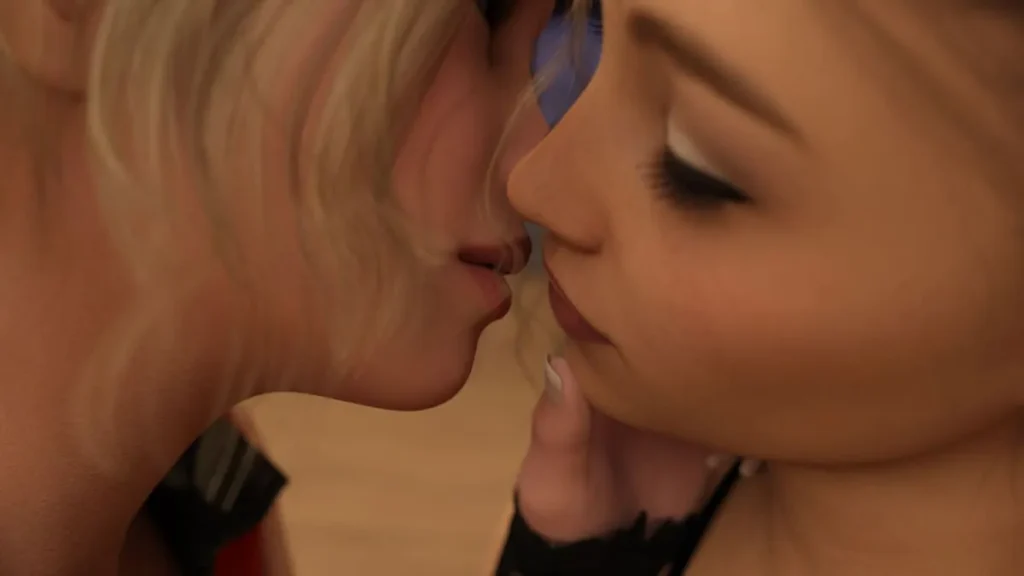
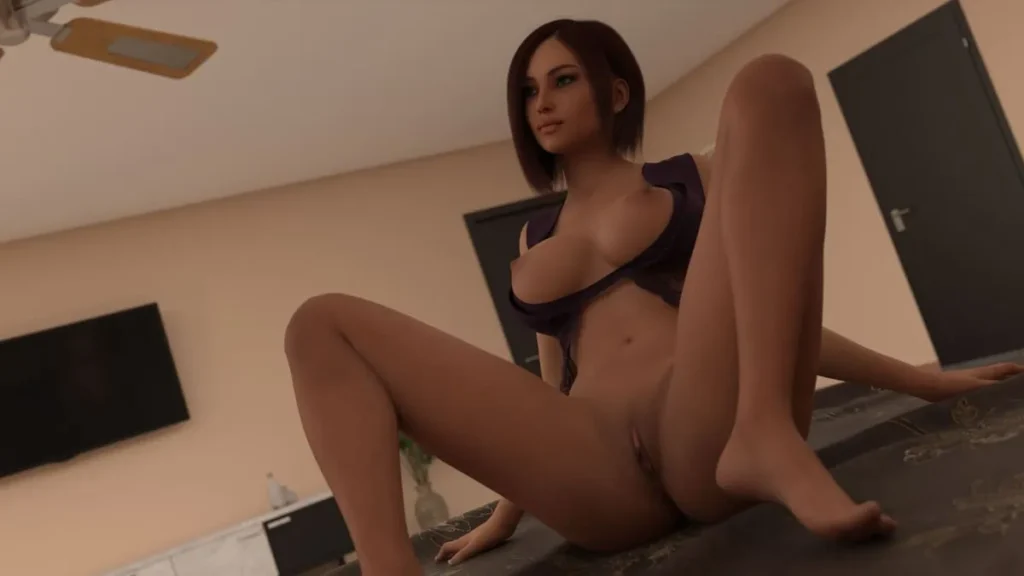
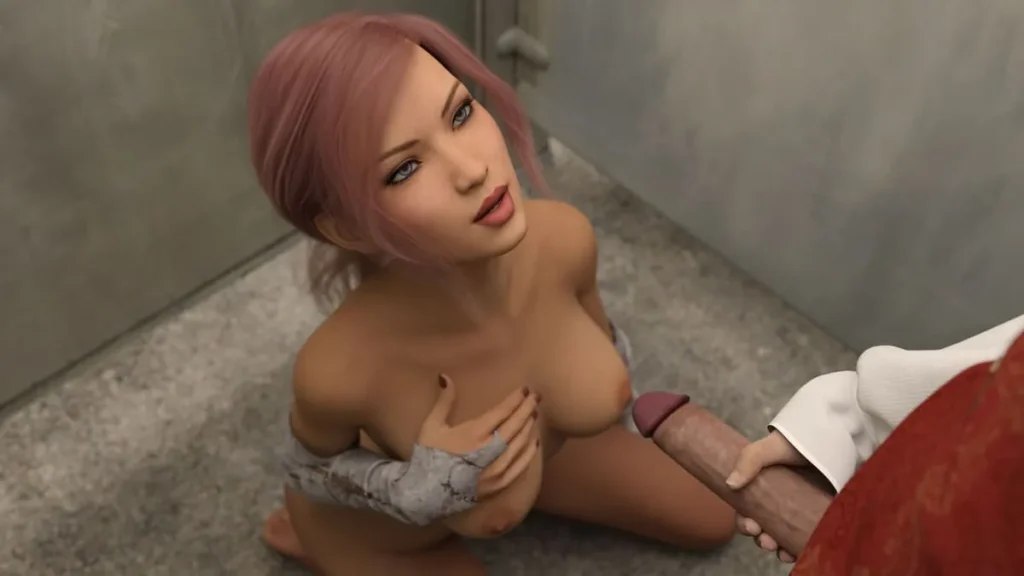
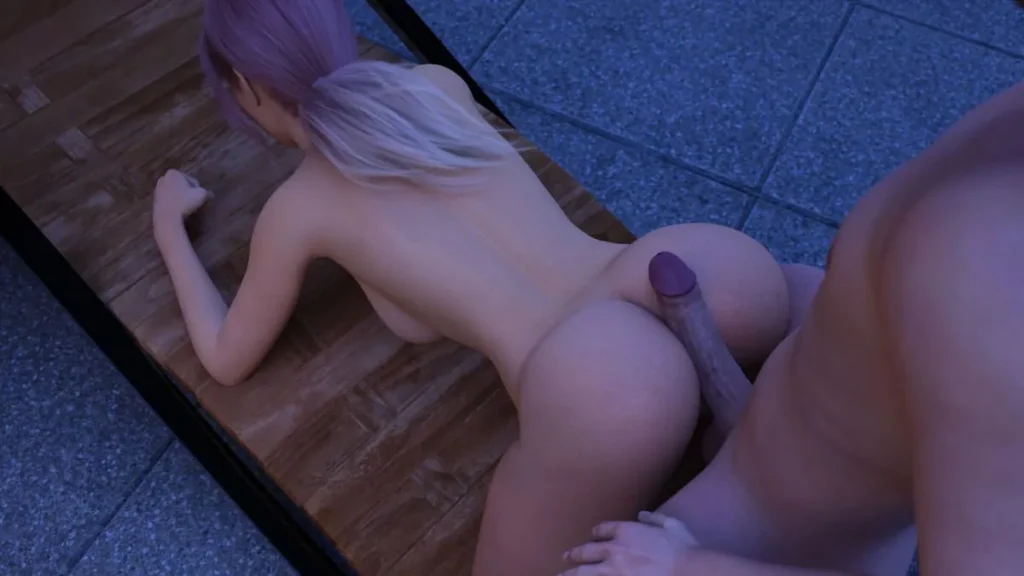
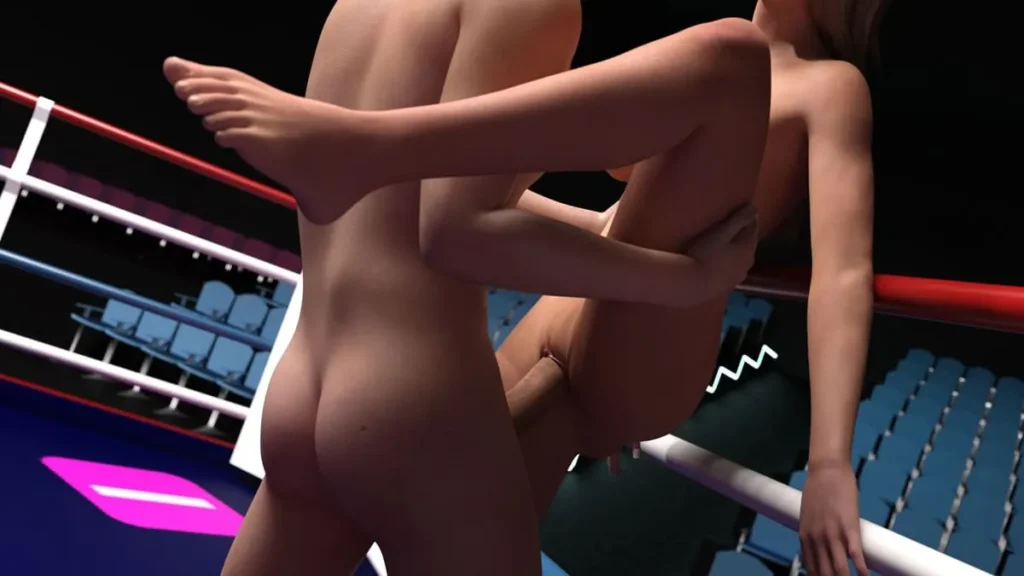
First, the presentation. The game boasts over 180 beautifully rendered images that capture everything from the detailed interiors of the bar to the expressive close-ups on characters’ faces during pivotal moments. But where it truly shines is in its hundreds of quality animations. We’re not talking about simple loops here. These are smooth, detailed animations that bring the characters and their interactions to life, adding a layer of immersion that static images alone can’t achieve. A subtle glance, a nervous gesture, a smile that slowly forms—these animations do a tremendous amount of storytelling heavy lifting. 🎬
The interactive narrative game elements extend into the more intimate scenes as well. These encounters are thoughtfully integrated into the Returning to Mia story plot; they feel like a natural progression of the relationship based on your choices, rather than arbitrary checkpoints. They are interactive, putting control in your hands to shape the moment, which reinforces the game’s core theme of mutual participation in the relationship’s direction.
A fantastic feature for newcomers is the comprehensive recap at the beginning. It efficiently summarizes the key events of Summer with Mia, complete with visuals, so you can jump right into the sequel without feeling lost. While I always recommend playing the first game to fully appreciate the emotional weight of the reunion and the nuances of the Returning to Mia character relationships, the recap makes it a viable option to start here. You’ll understand the “what,” but playing the first game lets you feel the “why.”
Finally, a note on the mature themes. This is a story for adults, dealing with adult situations—both emotional and physical. The drama stems from realistic relationship dynamics: communication breakdowns, financial stress, personal ambition, and the challenge of reconciling past ideals with present reality. It’s this grounded approach to drama and connection, combined with deep gameplay mechanics, that makes Returning to Mia such a compelling and unique entry in the visual novel genre.
Frequently Asked Questions (FAQ)
Do I need to play Summer with Mia first?
While it’s highly recommended to get the full emotional impact and understand the history between the characters, it’s not strictly mandatory. Returning to Mia includes a detailed, well-made recap section that covers all the major plot points of the first game. You can start here, but playing the first game will deepen your connection to the story.
What if I skip the first game? Will I be confused?
Thanks to the recap, you shouldn’t be lost on the core plot. However, you might miss the subtler character nuances and the emotional resonance of certain references. The sequel does a good job standing on its own, but the experience is undoubtedly richer with the context of the original summer.
How much do my choices really matter?
They matter immensely. This is the defining feature of the Returning to Mia gameplay mechanics. Choices affect dialogue, relationship stats, which scenes you access, and ultimately, which of the multiple endings you achieve. The game features a true branching storyline, making replayability a core part of the experience to see how different decisions alter the narrative path.
Returning to Mia represents a significant evolution in the visual novel genre, offering players a substantial and immersive experience that extends well beyond traditional interactive fiction. The game’s strength lies in its combination of meaningful player choices, extensive content library, and commitment to high-quality animations and visuals. With over 24 hours of gameplay and multiple branching paths leading to different endings, it provides genuine replay value for those interested in exploring alternative relationship outcomes and story directions. The sequel successfully builds upon its predecessor by giving player decisions a more prominent role in shaping the narrative, creating a more dynamic and personalized experience. Whether you’re drawn to the relationship-driven storytelling, the visual presentation, or the interactive nature of the medium, Returning to Mia delivers a comprehensive package that justifies its position as a notable entry in the visual novel landscape. For players seeking a lengthy, choice-driven narrative experience with substantial content, this game merits serious consideration.